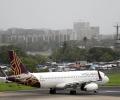
In about a fortnight, Vistara - known for its premium service - will take off on its final flight before merging into the legacy of Air India. Set for November 12, the merger has sparked discussions on how these two distinct brands will blend.

Year after year, the people in charge and the airline's multiple stakeholders spoke about the need to transform the national carrier into a premier airline. But their plans, instead of taking Air India to the promised heights, brought it down.
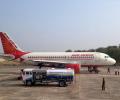
When the Tatas re-boarded Air India on January 27 last year, the price of aviation turbine fuel was at over Rs 80,000 per kilolitre. Rupee was trading at around Rs 74 to a US dollar. The Omicron variant of Covid-19 was in prevalence - barely a week earlier, India had reported over 340,000 cases on a single day. Seven-day home quarantine of international travellers was the norm.
Over 600 slots at three major airports - Heathrow, Dubai and New York's JFK International - could be at stake.
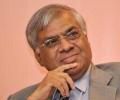
'I will not bog down with the setbacks. I am going to republish the book. All the copyrights rest with me,' former executive director of Air India Jitendra Bhargave tells Tinesh Bhasin about Praful Patel's pressure to withdraw his book.
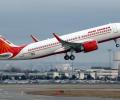
'Whether it is the unions or the politicians, they don't have to do politics over Air India, but be guided by a solitary factor -- that we don't want Air India to fly into oblivion.'

In the previous decade, the government, with Praful Patel as the civil aviation minister, saw the introduction of an irrational 5/20 policy.

Former Air India executive director Jitender Bhargava comes out with a book detailing what went wrong with the national carrier. According to him, India does not have a civil aviation policy, and that's just the beginning.
 © 2026 Rediff.com - Advertise with us - Disclaimer - Privacy Policy - Sitemap - Feedback - About us - Terms of use - Grievances