
When the Oracle at Delphi famously told Croesus, King of Lydia, that if he waged war on the Persians he would destroy a great kingdom, he was delighted.

Health officials in Germany claimed to have finally solved the mystery behind the source of the worst E coli epidemic in more than 60 years, which so far has claimed 31 lives.

A report by the Comptroller and Auditor General (CAG) has revealed the presence of E.coli bacteria in drinking water samples from water coolers at several Indian railway stations. The audit also highlighted unhygienic conditions in railway washrooms and significant deficiencies in Minimum Essential Amenities (MEA) across 458 out of 512 non-suburban stations inspected.

E-Eye, which cost about Rs 3,500 to develop, can test a sample for around Rs 2, making it particularly suitable for field-level water quality monitoring in areas where access to sophisticated laboratories is limited.
While the technology developed by the University of Exeter, with support from Shell, still faces many significant commercialisation challenges, the diesel, produced by special strains of E coli bacteria is almost identical to conventional diesel fuel.
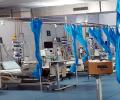
A 36-year-old man diagnosed with Guillain-Barr Syndrome (GBS), a rare nerve disorder, died in a civic-run hospital in Pune, taking the number of suspected GBS fatalities to three in Maharashtra. The patient, a driver with a cab service, was admitted to the Yashwantrao Chavan Memorial Hospital (YCMH) in Pimpri Chinchwad on January 21. An expert committee at YCMH concluded that the cause of death was trauma to the respiratory system due to pneumonia, leading to severe difficulty in breathing. The committee also noted that the patient had been diagnosed with GBS, with a nerve conduction test done on January 22. The immediate cause of death was identified as severe acute respiratory distress syndrome (ARDS). With the latest loss of life, the number of suspected GBS deaths in Maharashtra has reached three. According to health officials, the suspected cases of the rare nerve disorder have risen to 130 in the state. Most of the cases in the state are from Pune and surrounding areas, and these infections, including the latest case, are likely linked to contaminated water sources. Campylobacter jejuni, a bacteria found in contaminated food and water, is believed to be the reason for the outbreak.
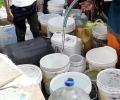
A water quality survey held around Nanded village, the epicentre of Guillain-Barre Syndrome (GBS) in Pune city, has found there was lack of chlorine in the drinking water supplied to households of 26 patients of this nerve disorder, officials said.

River Seine suitable for swimming six out of seven days from July 17-23
A team of experts has, in fact, tracked the enzyme in Britain, India, Pakistan and Bangladesh and believes it to be more widespread than first thought. It is said to be resistant even to a class of antibiotics known as carbapenems, which are reserved for use in emergencies and used when bacteria are found to be resistant to more commonly prescribed antibiotics.

The Madhya Pradesh government informed the High Court that deaths in Indore's Bhagirathpura area may be linked to contaminated drinking water, prompting concerns and legal action.

In a first, Korean scientists have successfully developed genetically modified microbes that can produce gasoline, used as fuel for transportation.

Food safety has hit headlines in India after government food safety inspectors found excess lead in packets of Nestle's Maggi instant noodles.

Pollution levels in the Seine have raised health concerns for athletes participating in swimming events
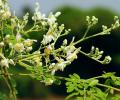
'Natural ingredients like moringa, which have well-documented antimicrobial, anti-inflammatory and soothing properties, can play a significant role in improving menstrual comfort and intimate hygiene.'

Paris authorities have promised to make the Seine swimmable as a key legacy of the Games, and spent 1.4 billion euros ($1.51 billion) on wastewater infrastructure to contain sewage and minimise spillage into the waterway.

Even your well-cleaned coffee mug may up risk of diarrhoea, vomiting!

Scientists have developed a pill to prevent Delhi belly -- a condition that causes cramps, vomiting and diarrhoea due to intake of contaminated food and water -- in those travelling to India and other tropical countries.

Almost all shoes in some research samples were coated with faecal bacteria which may cause severe diarrhoea, urinary tract infections and even meningitis.

Organisers make the call based on analysis of river samples taken the previous day at 5 a.m. and after discussions with experts on weather, according to Paris 2024.

Last year's open-water swim competitions took place at the French capital's Parc de la Villette in northern Paris.

Cassandre Beaugrand won gold in the women's triathlon at the Paris Olympics on Wednesday

Consuming contaminated food or water can lead to this infection.

Make sure to drink enough water. Do not hold urine.

If you have a fever and symptoms of a UTI, or if your symptoms persist despite treatment, you should see a doctor.

Tokyo 2020 organisers are determined to stage Olympic swimming events in the city centre Odaiba Marine Park venue despite continuing confusion over the water quality.

The tag, which would appear on the packaging, also could be used to determine if medications and other perishable products were still active or fresh, scientists said.

How India can defend itself in the war against superbugs.

She maintains the food company ignored her advice on various issues.

Once a bountiful water body, years of neglect, rampant encroachment and dumping of untreated sewage and industrial waster has virtually turned Bellandur lake into a large septic tank.

We are surrounded by food that is contaminated, adulterated and does not meet Indian safety and packaging standards, says Abheet Singh Sethi/IndiaSpend.com.
