
Investor wealth on Thursday soared by Rs 1 lakh crore, triggered by heavy buying in the stock market, with the BSE benchmark Sensex surging about 382 points to close at near six-week high levels.
Terming the sudden outflow of $5 billion as "unfortunate", Finance Minister P Chidambaram on Tuesday said there should, however, be no room for pessimism as fundamentals of the economy are intact and government is moving ahead on the reforms path.
Investor wealth slumped by Rs 1.55 lakh crore on Thursday today, dragged down by massive selling in the stock markets where nearly seven out of ten shares closed lower.

The rupee's plunging to record level and a sharp fall in the equity market are knee-jerk investor reactions to the US Federal Reserve's saying the it will slow down bond-buying programme in view of improving American economy.
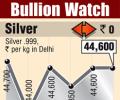
However, FII outflows of Rs 545 crore (Rs 5.45 billion) capped the gains in the rupee, which had slumped by 126 paise in past two days.

He said cheap valuations, improving sentiment and the ongoing reform momentum coupled with increased transparency due to the internet are driving investors to the Dalal Street.

India says it gives equal treatment to foreign companies on tax matters, not special consideration.
.jpg)
The rupee is set to breach the Rs 60-a-dollar mark again this week as the Street expects foreign institutional investors to continue pulling out of domestic markets. According to the street, this would result in government bond yields rising.
Finance Minister P Chidambaram on Monday said the currency will find its level as steps being taken by the government to contain fiscal and current account deficits will improve investor sentiments.

Global buyers are putting pressure on exporters to offer discounts between 10 per cent and 15 per cent.

Years of unprecedented stimulus has left the Fed swollen with $4.5 trillion in bonds

Government is also will also enter into an agreement with Japan for a $50 billion swap.

These investors have pumped in about Rs 6,900 crore (Rs 69 billion) in the seven trading sessions after the Federal Open Market Commission meet.

The RBI has enough "fire power" to deal with the rupee volatility and will intervene in the forex market as and when required, said Planning Commission Deputy Chairman Montek Singh Ahluwalia.

The minister further said the rupee will regain the ground it lost against other currencies in the past few days.

According to Subbarao, the pressure on the currency was inevitable.
The rupee is likely to strengthen to 60-61 level by this fiscal-end on expectations of improvement in current account deficit (CAD) and higher inflows from overseas investors.
.jpg)
The rupee on Friday touched an all-time low of 62.03 to a dollar, spooking the equities market and dragging the Sensex down to 18,621.39 in the afternoon.

India's record current account deficit has been a key reason behind why Standard & Poor's and Fitch Ratings cut their outlooks on the country's sovereign rating to 'negative' last year.

India's numbers have shown a reasonable amount of improvement.
Also keenly watching inflation numbers, with wholesale inflation data expected today

Germany is now sitting on a mountain of savings.

A sovereign bond float continued to be among the range of options to address the current account deficit (CAD), Finance Minister P Chidambaram said on Tuesday, even as former Finance Minister Yashwant Sinha asked him to tell Parliament the Centre would not countenance that measure.

The next round of bad news could come from Europe, where banks in a number of economies such as Italy, Portugal and Greece are sitting on mountains of bad loans.

Some investors had speculated that the US central bank might put its plans on hold given the jitters overseas.

Rajan also said it's a problem of collective action and not a problem of industrial nations or emerging markets

The Federal Reserve must now ensure that higher inflation doesn't derail the US recovery.

In India we have to be careful not to copy any level of dependence on the financial sector and infatuation with the get-rich-quick syndrome, says Jaimini Bhagwati.

For one thing, US Fed Chairman Ben Bernanke was perhaps right in postponing the quantitative easing taper even though the markets had complained at that time that they were primed for some reduction in QE3 and the Fed had missed an opportunity to execute their plans without causing too much of a flutter.

Summers dogged by controversies over past views

The nomination would put Yellen on course to be the first woman to lead the institution.

They believe that long-term story is intact.
 © 2026 Rediff.com - Advertise with us - Disclaimer - Privacy Policy - Sitemap - Feedback - About us - Terms of use - Grievances