
At least 40 people were killed on Thursday when a crowded passenger bus skidded off a hilly road and fell into Sunkoshi River in eastern Nepal. The bus plunged into the river at Ritthebhir area in Jhangajholi village of Sindhuli district, 150 km east of Kathmandu, killing 40 people and injuring 16 others, said the police. However, 11 people traveling on the roof of the bus managed to jump off when the bus went out of control. The bus was en route to capital Kathmandu.
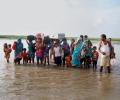
Nearly 200 people were missing after a massive landslide in northeast Nepal that blocked Sunkoshi river, turning it into a huge lake and putting dozens of villages both in Nepal and India at risk of flash floods.
India on Saturday announced a relief assistance of NRs 48 million for the victims of recent floods and landslide in different parts of Nepal, which has claimed nearly 220 lives in two weeks.
Nepal government on Wednesday declared dead the 123 people missing in the country's worst landslide in over a decade, taking the death toll from the disaster to 156, as the search for the bodies buried under the debris was called off.
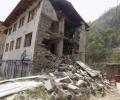
A year after the worst earthquake in Nepal's history struck at four minutes to midday on April 25 last year, its residents still live in fear.

Extensive anthropogenic interference, as part of developmental activities, is a significant factor that increases this hazard manifold. As a result, the landscape in the Himalayan, north-eastern regions and many other regions of India are highly susceptible to reoccurrence of landslides, says Dr Nitish Priyadarshi.
 © 2026 Rediff.com - Advertise with us - Disclaimer - Privacy Policy - Sitemap - Feedback - About us - Terms of use - Grievances