
The Liberation Tigers of Tamil Eelam fighters were dressed in Indian army uniforms during the final battles of the nearly three-decade long civil war, former Sri Lankan army chief Sarath Fonseka has said.

The 225-member Parliament will elect the new president by a secret vote on July 20, Speaker Mahinda Yapa Abeywardena said on Friday.

During the 13-minute special session, Dhammika Dassanayake, ecretary general of Parliament, announced the vacancy for the post of president.

Sri Lanka's embattled President Gotabaya Rajapaksa, under immense pressure from the public and the Opposition to quit over the island nation's worst economic crisis, said on Thursday that the abolition of the executive presidency, a move that will curb his powers, will be considered by Parliament.

'We believe that one of the suicide bombers studied in the UK and maybe later on did his post-graduate in Australia, before coming back to settle in Sri Lanka'

Sri Lanka's new government on Sunday said it will probe whether longtime president Mahinda Rajapaksa sought military help to cling to power after he realised that he had lost the closely contested election.

Even as the polity find ways and means to address the genuine concerns and fears of the society, the Sri Lankan State apparatus would have to unravel these mystery-questions with convincing answers, and a road-map to the future, says N Sathiya Moorthy.

Authorities also released photographs of six suspects, including three women, wanted for their involvement in the attacks and sought information regarding them from the public.
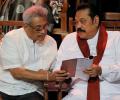
President Rajapaksa and Prime Minister Rajapaksa will transform Sri Lanka's political landscape after Thursday's electoral triumph, predicts N Sathiya Moorthy, veteran Colombo watcher.

From Sri Lanka's most popular political family to its most despised -- going by the voices on the streets calling for the Rajapaksas' ouster -- what went wrong for the clan? Veteran Sri Lanka watcher N Sathiya Moorthy offers an insight.
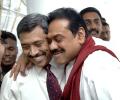
As the island heads for elections, two major factors worry Sri Lankan President Mahinda Rajapaksa. One is the division in the Sinhala vote and the other is the prospect of the Tamils and Muslims voting heavily against him.

A double-quick analysis of the Lankan election results would show that the relatively narrow victory margin of challenger Maithripala Sirisena was made up by the three minority communities of Tamils, Muslims and Christians, says N Sathiya Moorthy.
