
The Travel Photographer of The Year Awards winners have been chosen and they're a stunning selection celebrating the beauty of our planet and all its inhabitants. Photographers from 142 countries submitted over 20,000 jaw-dropping pictures that were shot on everything from high-end professional cameras to mobile phones, in categories including 'faces, people, cultures'; the natural world and the beauty of light. The winning images can be seen at the TPOTY exhibition, which is free, and will be on show at LondonBridgeCity next Spring. Rediff.com was kindly granted permission to publish 25 of the 150 winning and shortlisted images. Scroll down to see our picks of the bunch.

RBI's liquidity tightening stance had stumped the Street as a result of which bond yields had risen.
The windfall from RBI may be used to trim borrowing, help fund Rs 3.3 lakh crore capex plan, capitalise banks and provide fiscal stimulus to some stressed sectors, experts and economists said.

If net forex outflows turn out to be relatively high in the next few years, the rupee could depreciate beyond Rs 80 to a dollar by 2022. The causal reasons could, for example, include unmet expectations of FPI and FDI investors about the performance of the Indian economy, sharp rise in prices of imported oil and decrease in FX remittances. The RBI has to ask itself whether guaranteeing future rupee-dollar exchange rates on FX forward contracts is a reasonable way to use its risk-bearing capacity, says Jaimini Bhagwati.

The RBI's comments, announced after trading hours on Wednesday, comes as yields had risen by 60 basis points after a surprise hike in the repo rate on Friday and on worries about the fiscal second borrowing programme of the government.

'The variables to watch include the monsoon, resolution of NBFC liquidity issues, GST collections, and NPA resolution.'

While rate cuts may increase churn between banks, these may not boost credit offtake meaningfully.

The negative aspect about the Budget is that the capital expenditure has been marginally cut to achieve the fiscal deficit target assumptions, and the onus of sustaining investment demand till private capex revives continues to vest with the public sector enterprises, notes Jyotivardhan Jaipuria.

Reserve Bank of India Governor Shaktikanta Das tells Anup Roy, Raghu Mohan and Niraj Bhatt that it is time for banks to lower interest rates and start lending to cash-starved finance companies after due credit appraisal and proper risk assessment.
There's need to address growth, but weak rupee putting pressure on prices.
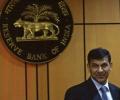
After two rate hikes in less than six weeks aimed at curbing inflation, RBI Governor Raghuam Rajan on Wednesday said the central bank may be done with interest rate increases as their impact on the economy is assessed.

India's foreign exchange reserves are at an all-time high.

Worried over a spike in interest rates in the wake of steps to support the falling rupee, the RBI on Tuesday announced a slew of measures, including Rs 8,000 crore bond buyback, to ease liquidity and ensure adequate credit flow to the productive sectors of the economy.

The best possible move would be for the government to spend the funds on activities like infrastructure development or as it deems fit, says Soumya Kanti Ghosh.

The Reserve Bank of India cut its repo rate by 25 basis points to 6.50 per cent.

'The Reserve Bank's independence has remained a work in progress, an enduring challenge that the nation has been grappling with on an ongoing basis,' says RBI Deputy Governor Dr Viral Acharya.

Are we adopting an idea whose time has come and gone? My feeling is, yes, says ex-banker C Joseph Chacko in the fourth article of the series on inflation targeting.
