
The CBI action comes following a complaint from the Union home ministry.

From the 30 blue-chip pack, Tech Mahindra, Zomato, Tata Consultancy Services, Infosys, ICICI Bank, Bajaj Finance, Hindustan Unilever and HCL Technologies were the major laggards on Tuesday. Kotak Mahindra Bank, ITC, UltraTech Cement and Tata Motors were among the gainers.
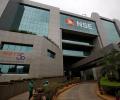
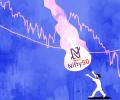
The National Stock Exchange on Monday said broadcast has resumed normally in Nifty and Bank Nifty indices after the prices had stopped updating in the two indices in the early morning trade.

Trading sentiment in the equity market will largely be driven by domestic corporate quarterly earnings, any update related to US tariffs and foreign fund movements this week, analysts said. Investors would also focus on world market trends, movement of global oil benchmark Brent crude and the rupee-dollar trend for further cues, experts noted.

All the BSE sectoral indices closed in the green. BSE Realty, Auto, Capital Goods and Industrials were lead gainers, jumping up to 5 per cent. IndusInd Bank was the lead gainer among Sensex shares, surging by 6.84 per cent. Tata Motors rallied 4.50 per cent. Larsen & Toubro, Axis Bank, Adani Ports, HDFC Bank, ICICI Bank and HCL Tech were also among the gainers. ITC and Hindustan Unilever were the only laggards.

Sun Pharma, Tata Steel, State Bank of India, Axis Bank, Tata Motors, Larsen & Toubro and ICICI Bank were also among the Sensex gainers. HCL Tech, UltraTech Cement, Nestle and Hindustan Unilever were among the laggards.

The Central Bureau of Investigation on Monday produced former managing director and chief executive officer of National Stock Exchange (NSE) Chitra Ramkrishna before a Delhi court in connection with the NSE co-location case. The probe agency produced the accused before special Special Judge Sanjeev Aggarwal and sought 14-day custodial interrogation in the case. The CBI arrested the accused on Sunday after her anticipatory bail application was dismissed by the court on Saturday. The CBI had recently questioned Ramkrishna in the matter.

The National Stock Exchange (NSE) has got into firefighting mode to control the reputational damage caused by the Securities and Exchange Board of India's (Sebi's) order against its former managing director and chief executive officer Chitra Ramkrishna and others. According to sources, the exchange's management over the past one week has met several key stakeholders, including officials in the finance ministry and Sebi, major shareholders, and trading members, trying to distance itself from the controversy. The exchange plans to hold more meetings in the coming week to ensure that trading volumes and confidence in the bourse don't get impacted, they added.
From the Sensex pack, Infosys, Tech Mahindra, Nestle India, Tata Consultancy Services, HCL Technologies, Asian Paints, Axis Bank, Zomato, Hindustan Unilever, and Bharti Airtel were among the laggards. On the other hand, IndusInd Bank, Tata Motors, Kotak Mahindra Bank, Bajaj Finance, HDFC Bank, ITC, Sun Pharma, Bajaj Finserv and UltraTech Cement were the gainers.
The Enforcement Directorate on Friday conducted multiple raids in connection with its money laundering probe into the alleged irregularities in the National Stock Exchange (NSE) co-location case, officials said. The central probe agency is covering nine premises in Delhi and neighbouring Gurugram including those of some brokers involved in the case, they said. The raids are being carried out under the provisions of the Prevention of Money Laundering Act (PMLA).
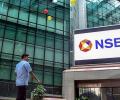
Capital markets regulator Sebi on Thursday sent a notice to NSE's former chief Ravi Narain, asking him to pay Rs 2.06 crore in a case related to governance lapses at the stock exchange, and warned of arrest and attachment of assets and bank accounts if he fails to make the payment within 15 days. The notice came after Narain failed to pay the fine imposed on him by SEBI (Securities and Exchange Board of India). The regulator, through an order passed on February 11, levied a fine of Rs 2 crore on Narain in the matter of governance issues over the appointment of the chief strategic officer at the stock exchange in 2013.

From the Sensex pack, Tata Steel, Zomato, Power Grid, UltraTech Cement, IndusInd Bank, Larsen & Toubro, Adani Ports, NTPC, State Bank of India and Reliance Industries were among the major gainers. On the other hand, Tech Mahindra, Tata Consultancy Services, ITC, Infosys, Sun Pharma, Maruti, HCL Tech, and Nestle were among the laggards.

From the Sensex pack, HCL Tech, Bajaj Finserv, HDFC Bank, Bajaj Finance, Infosys, Titan, ICICI Bank, Sun Pharma, Reliance Industries, Larsen & Toubro, Tech Mahindra and NTPC were among the biggest laggards. Among gainers, IndusInd Bank jumped over 5 per cent while Zomato ended marginally higher.

From the 30 Sensex companies, IndusInd Bank, Zomato, Larsen & Toubro, Titan, Mahindra & Mahindra, Bajaj Finance, Reliance Industries, Kotak Mahindra Bank, Tech Mahindra and Tata Consultancy Services were among the laggards. On the other hand, Power Grid, Hindustan Unilever, Infosys, Nestle India, Asian Paints, ITC, Sun Pharmaceuticals and ICICI Bank were the gainers.

The agency recorded his statement under criminal sections of the Prevention of Money Laundering Act (PMLA), officials said.

The mysterious Himalayan 'yogi' who allegedly advised Chitra Ramkrishna, former managing director and chief executive officer of the National Stock Exchange (NSE), on important matters of the bourse could be none other than Anand Subramanian, according to a letter written by former NSE chairman Ashok Chawla to the Securities and Exchange Board of India (Sebi). Subramanian was group operating officer of the NSE and advisor to Ramkrishna during 2015-16. He joined as chief strategic advisor in April 2013.

From the Sensex pack, IndusInd Bank, Mahindra & Mahindra, UltraTech Cement, Hindustan Unilever, Sun Pharma, Tata Consultancy Services, ITC and Asian Paints were among the biggest laggards. NTPC, Zomato, Tech Mahindra, Power Grid, Kotak Mahindra Bank and HCL Tech were among the gainers.

The Enforcement Directorate on Thursday arrested former NSE MD Chitra Ramakrishnan in a money laundering case connected with alleged illegal phone tapping and snooping of stock exchange employees after getting the nod from a Delhi court to probe the matter. Special Judge Sunaina Sharma allowed four-day custodial interrogation of Ramakrishnan. The former NSE MD was produced in the court from jail on order passed by the judge earlier.

From the Sensex pack, Bajaj Finserv, Bajaj Finance, Sun Pharma, Zomato, Tata Steel and Nestle were the biggest gainers. UltraTech Cement, Tata Motors, Mahindra & Mahindra, Kotak Mahindra Bank, Tech Mahindra and State Bank of India were among the major laggards.
The CBI arrested former National Stock Exchange CEO Chitra Ramkrishna in the co-location scam case on Sunday, officials said. Ramkrishna was arrested in Delhi and taken for medical checkup, they said. She was later lodged in lockup at the CBI headquarters, they said.

Stock markets will be driven by further developments on the US-China tariff war front along with quarterly earnings announcements from IT majors Wipro and Infosys in a holiday-shortened week, analysts said. Global market trends and trading activity of foreign investors would also dictate market movement this week, experts noted.

From the Sensex pack, Bajaj Finserv, IndusInd Bank, NTPC, Larsen & Toubro, UltraTech Cement, Adani Ports, Bajaj Finance, Power Grid, Zomato, State Bank of India, HDFC Bank and Titan were the biggest gainers. Tata Motors tanked over 5.5 per cent after US President Donald Trump announced he would impose 25 per cent tariffs on imported cars. Sun Pharma, Kotak Mahindra Bank, Bharti Airtel, HCL Tech and Mahindra & Mahindra were also among the laggards.
From the Sensex pack, HDFC Bank, Maruti, Tech Mahindra, HCL Tech, ITC, ICICI Bank, Kotak Mahindra Bank and Bajaj Finance were among the biggest laggards. NTPC, Adani Ports, Mahindra & Mahindra, Tata Steel and IndusInd Bank were among the gainers.

The Enforcement Directorate (ED) on Tuesday arrested former Mumbai police commissioner Sanjay Pandey in connection with a money laundering case linked to the alleged illegal phone tapping of NSE employees, officials said.
The changes will take effect on March 28, with portfolio adjustments expected before the market closes on March 27.

The implication of April 2 reciprocal tariffs on global trade, trends in overseas markets and trading activity of foreign investors would dictate equity investors' sentiment in a holiday-shortened week ahead, according to analysts. Stock markets would remain closed on Monday for Eid-Ul-Fitr.

Tata Steel was the biggest loser in the Sensex pack, sliding 8.59 per cent, followed by Tata Motors, Larsen & Toubro, Adani Ports, IndusInd Bank, Tech Mahindra, Reliance Industries, Sun Pharmaceutical, HCL Technologies, Tata Consultancy Services, Infosys, and NTPC, were the major laggards. On the other hand, Bajaj Finance, HDFC Bank, Nestle India, ICICI Bank, ITC, Asian Paints and Axis Bank were among the gainers.
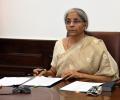
CBI has made substantial progress in the investigation into the NSE co-location case where markets regulator Sebi has found violations of norms by the stock exchange as well as some of its former top level employees, Finance Minister Nirmala Sitharaman said on Tuesday. The government and Sebi have received some complaints in the matter of NSE co-location. In a written reply to Rajya Sabha, the minister said that during the investigation into the matter, it was noticed that certain stock brokers got preferential access to the trading system.

The US Fed interest rate decision, global trends, tariff-related developments and trading activity of foreign investors will drive the equity market movement this week, analysts said. Among macroeconomic data announcement, WPI inflation for February is scheduled to be announced on Monday.

The Securities and Exchange Board of India (Sebi), in a circular dated April 11, 2025, warned investors about rising fraud and manipulation linked to the securities market on social media platforms.

From the 30-share blue-chip pack, Zomato jumped nearly 7 per cent. Tata Motors, Infosys, UltraTech Cement, Tech Mahindra, Mahindra & Mahindra and Bajaj Finance were the other major gainers. In contrast, ITC Hotels, Bharti Airtel, Maruti, Asian Paints and ITC were among the laggards.
Global trends, trading activity of foreign investors and news flow on tariffs are expected to influence movement in the equity market in a holiday-shortened week ahead, analysts said. Equity markets would remain closed on Wednesday for 'Mahashivratri'.

From the 30 Sensex companies, Zomato, Tata Motors, IndusInd Bank, Asian Paints, Bajaj Finance, Maruti Suzuki India, Adani Ports, Hindustan Unilever, Reliance Industries, Bajaj Finserv, UltraTech Cement and Infosys were among the laggards. In contrast, State Bank of India, ICICI Bank, Tata Steel, NTPC, Tata Consultancy Services, PowerGrid, Kotak Mahindra Bank and Sun Pharmaceuticals were the gainers.
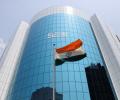
The Securities and Exchange Board of India's (Sebi's) six-step plan to curb retail participation in speculative index derivatives may lead to a substantial drop in volumes - potentially by 30-40 per cent. These measures aim to reduce excessive speculation in the futures and options (F&O) segment, where daily turnover often exceeds Rs 500 trillion and retail investors end up on the losing side of the trade more often. Sebi has decided to increase the contract size from Rs 5 lakh to Rs 15 lakh, raising margin requirements and mandating the upfront collection of option premiums from buyers.

All Sensex firms, except Power Grid, ended in the positive territory. Titan, Bajaj Finance, State Bank of India, Larsen & Toubro, Axis Bank, Bajaj Finserv, Asian Paints and Zomato were the biggest gainers.

From the Sensex pack, Nestle India, HCL Technologies, Tech Mahindra, Bharti Airtel, Titan, Infosys, Asian Paints, NTPC, Bajaj Finserv and Sun Pharmaceuticals were among the laggards. State Bank of India, IndusInd Bank, Zomato, Power Grid, ICICI Bank, Tata Motors, Mahindra & Mahindra, Tata Consultancy Services and Adani Ports were the gainers.

From the Sensex pack, Tata Consultancy Services, HCL Technologies, Tech Mahindra, Infosys, Tata Motors, Bajaj Finance, Kotak Mahindra Bank, Mahindra & Mahindra, Bharti Airtel and Maruti Suzuki India, Tata Steel were the major laggards. PowerGrid, Sun Pharmaceuticals, UltraTech Cement, NTPC, Asian Paints, Nestle India, Titan, IndusInd Bank and Axis Bank were among the gainers.

Weak market sentiment has driven a steady decline in cash market volumes and margin trading books over the past nine months. Cash market volumes have plummeted by 45 per cent from their peak in June 2024, while the margin book - used by traders to leverage stock purchases - has shrunk by 16 per cent since its high in September 2024.
From the Sensex pack, Bharti Airtel, Titan, Tata Consultancy Services, Hindustan Unilever, Infosys, Nestle, Reliance Industries, Mahindra & Mahindra, HDFC Bank and Tata Motors were the biggest gainers. However, IndusInd Bank, Bajaj Finance and UltraTech Cement were the laggards.

Equity benchmarks staged a comeback during the fag-end of trade on Wednesday, with the Sensex climbing over 214 points amid continuous foreign fund inflows and a largely positive trend in global markets. Buying in IT counters and Reliance Industries added to the momentum. In a volatile session, the 30-share BSE benchmark ended 214.17 points or 0.37 per cent higher at 58,350.53.
