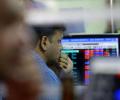
From the Sensex pack, Infosys, Tech Mahindra, Nestle India, Tata Consultancy Services, HCL Technologies, Asian Paints, Axis Bank, Zomato, Hindustan Unilever, and Bharti Airtel were among the laggards. On the other hand, IndusInd Bank, Tata Motors, Kotak Mahindra Bank, Bajaj Finance, HDFC Bank, ITC, Sun Pharma, Bajaj Finserv and UltraTech Cement were the gainers.

From the Sensex firms, Adani Ports, Eternal, Bajaj Finance, Axis Bank, Bajaj Finserv, Reliance Industries, Power Grid and NTPC were the major gainers. Sun Pharma, however, tanked over 5 per cent.

Markets investors became richer by Rs 27.10 lakh crore as the BSE benchmark Sensex continued to rally for the sixth trading day, surging nearly 6 per cent during this period. On Monday, the 30-share BSE bellwether gauge jumped 1,078.87 points or 1.40 per cent to settle at an over six-week high of 77,984.38. During the day, the benchmark zoomed 1,201.72 points or 1.56 per cent to 78,107.23.

Sun Pharma, Tata Steel, State Bank of India, Axis Bank, Tata Motors, Larsen & Toubro and ICICI Bank were also among the Sensex gainers. HCL Tech, UltraTech Cement, Nestle and Hindustan Unilever were among the laggards.

Investors not stop their SIPs or STPs due to election-related uncertainty.

Tata Steel was the biggest loser in the Sensex pack, sliding 8.59 per cent, followed by Tata Motors, Larsen & Toubro, Adani Ports, IndusInd Bank, Tech Mahindra, Reliance Industries, Sun Pharmaceutical, HCL Technologies, Tata Consultancy Services, Infosys, and NTPC, were the major laggards. On the other hand, Bajaj Finance, HDFC Bank, Nestle India, ICICI Bank, ITC, Asian Paints and Axis Bank were among the gainers.

Largecap, flexicap, and balanced advantage funds together recorded a net inflow of Rs 9,363 crore in August, representing a 70% increase from the previous month's total.

'The velocity of the market correction in September was so fierce that 9 stocks declined for every one that advanced,' reveals Samie Modak.

'The market's sharp decline recently has shaken the confidence of retail investors, leading to increased selling.'

From the Sensex pack, Tata Consultancy Services, HCL Technologies, Tech Mahindra, Infosys, Tata Motors, Bajaj Finance, Kotak Mahindra Bank, Mahindra & Mahindra, Bharti Airtel and Maruti Suzuki India, Tata Steel were the major laggards. PowerGrid, Sun Pharmaceuticals, UltraTech Cement, NTPC, Asian Paints, Nestle India, Titan, IndusInd Bank and Axis Bank were among the gainers.

All Sensex firms, except Power Grid, ended in the positive territory. Titan, Bajaj Finance, State Bank of India, Larsen & Toubro, Axis Bank, Bajaj Finserv, Asian Paints and Zomato were the biggest gainers.
From the Sensex pack, Asian Paints, NTPC, Reliance Industries, Tata Steel, Bajaj Finserv, Hindustan Unilever, Sun Pharmaceuticals, Adani Ports & SEZ, Axis Bank, Tata Consultancy Services, Titan and Bajaj Finance were the major gainers. Tech Mahindra, Kotak Mahindra Bank, Zomato, Tata Motors, and IndusInd Bank were the laggards.

Inflows into equity mutual fund (MF) schemes declined for the third month in a row in March even though the equity market recovered sharply. Equity MF schemes raked in a net Rs 25,082 crore in March, down 14 per cent from February.

Shares of BSE on Wednesday tumbled more than 9 per cent after its rival NSE said that all Nifty index weekly derivatives contracts will expire on Monday instead of Thursday with effect from April 4. The stock of BSE tanked 9.39 per cent to Rs 4,035.10 apiece on the National Stock Exchange (NSE).

Debt-oriented mutual funds witnessed an outflow of Rs 6,525 crore in February, a sharp reversal from the strong inflow of Rs 1.28 lakh crore in the preceding month, chiefly due to redemptions in short-duration funds. Notably, 10 of 16 debt mutual fund categories reported net outflow during the month, data with Association of Mutual Funds in India (Amfi) showed.


'Selling could further intensify and take the index towards 22,800-22,750 in the near-term.'

Among 30 Sensex shares, Zomato tanked over 5 per cent. Tata Steel, Bajaj Finserv, Tata Motors, Power Grid, Larsen & Toubro, Kotak Mahindra Bank, Hindustan Unilever and ITC were the biggest laggards. Bharti Airtel was the only gainer among Sensex scrips.

Ambani and Adani account for a fifth of the net worth of all billionaire promoters in the country and half the combined net worth of the top 10.

rediffGURU Jinal Mehta answers readers' financial planning and health insurance queries

Midcap stocks Hero MotoCorp, Zydus Lifesciences, JSW Energy, NHPC, Bharat Heavy Electricals, Bosch, and Samvardhana Motherson are expected to earn upgrades.
if one looks at the valuations of some of the high quality midcaps they have come down to corresponding Index level

Dalal Street investors were a poorer lot on Monday as their wealth eroded sharply by Rs 14 lakh crore following a sharp decline in benchmark indices amid a global market meltdown due to recession fears. The 30-share BSE Sensex tumbled 2,226.79 points or 2.95 per cent to settle at 73,137.90. Intra-day, the benchmark slumped 3,939.68 points or 5.22 per cent to 71,425.01.

All Sensex shares, except for Hindustan Unilever, ended with losses. Tata Steel fell the most by 7.33 per cent followed by Larsen & Toubro which cracked 5.78 per cent. Tata Motors, Kotak Mahindra Bank, Mahindra & Mahindra, Infosys, Axis Bank, ICICI Bank, HCL Technologies and HDFC Bank were the other big laggards. Hindustan Unilever ended marginally higher.

Among Sensex shares, Mahindra & Mahindra, Bharti Airtel, Bajaj Finance, Zomato, Nestle, Bajaj Finserv, Maruti and Titan were the biggest gainers. Sun Pharma, Power Grid, Tata Consultancy Services, Tech Mahindra, Asian Paints and Tata Motors were among the laggards.

Active equity mutual fund schemes have improved their showing across key categories over the past three months vis-a-vis their benchmarks.

Brokerages expect a further slowdown in Indian firms' revenue and earnings growth in Q4FY25, following low single-digit growth in the preceding three quarters, as factors like weak consumer demand and credit growth linger on.

For investors who missed the initial IPO frenzy, the market correction is an opportunity to selectively invest in promising names, but patience and careful evaluation remain the key.

'Investors should continue with their SIPs, especially during market corrections.' 'For those looking to start new SIPs, beginning with large-cap funds is a prudent strategy, followed by flexi-cap and value-oriented approaches.'

From the Sensex pack, Tata Consultancy Services and Infosys fell over 2 per cent each. Hindustan Unilever, Bharti Airtel, Sun Pharma, Power Grid, Bajaj Finserv, HCL Tech, Mahindra & Mahindra, and Tech Mahindra were also among the laggards. Among the gainers, Zomato jumped nearly 5 per cent. Larsen & Toubro, Axis Bank, ICICI Bank, IndusInd Bank and Kotak Mahindra Bank were also among the gainers.

Largecap companies are generally less vulnerable to economic slowdowns than their mid- and smallcap counterparts.

Global fund managers witnessed one of their largest-ever declines in assets under custody (AUC) during the ongoing correction in the Indian markets, as stocks came under pressure from foreign outflows and the weakening rupee.

On average, stocks that debuted last year are down 37 per cent from their peak levels.

The risk-reward for the Indian markets, Morgan Stanley said, is turning favourable.

'What is working is quality management, great teams, engineers, platforms, and highly differentiated services.'
In the last one year, the Sensex has fallen 2.17 per cent, while the BSE midcap index has risen 2.08 per cent. And, there is scope for value picking that can yield good returns.
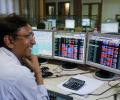
From the 30-share Sensex pack, Bharti Airtel, Mahindra & Mahindra, UltraTech Cement, Adani Ports, Reliance Industries, Larsen & Toubro, JSW Steel, Hindustan Unilever, Titan and Tata Motors were the biggest gainers. Power Grid, Nestle, State Bank of India and Infosys were the laggards.
Most of the action in the markets now lie in the midcaps and smallcaps
