
The benchmark BSE Sensex rebounded by 362 points, ending a four-day losing streak, driven by strong buying in metal, private banking, and oil and gas shares, while the broader NSE Nifty saw modest gains despite paring some advances in the closing session.

Indian benchmark indices, Sensex and Nifty, ended marginally lower after recovering from sharp intraday losses, driven by cooling crude oil prices and buying interest in HDFC Bank and IT sector stocks.

Shimla Police have seized assets worth Rs 4.13 crore from 19 drug traffickers and their associates, believed to be acquired through illegal drug trade. The action followed an arrest in August 2026, leading to a detailed financial investigation under the NDPS Act. This seizure is part of a larger effort in 2026, where assets worth Rs 12.52 crore have been confiscated in 15 NDPS cases.

Nyck de Vries of Mahindra Racing achieved a third-place finish at the Sanya E-Prix after a post-race penalty elevated him, securing valuable points for himself and the team. The race was marked by chaotic incidents, including front wing damage and a multi-car traffic jam, while his teammate Edoardo Mortara was forced to retire due to a technical issue. De Vries also set the fastest lap, contributing to Mahindra's standing in the Teams' Championship.

Indian benchmark indices Sensex and Nifty opened higher, extending gains from the previous session, driven by a rally in global markets and a slight cooling in crude oil prices. Optimism around a potential meeting between US and Iranian presidents also contributed to positive sentiment.Later both indices pared gains and were trading in red. Track Sensex, Nifty on September 22.
Nyck de Vries secured a maiden victory for Mahindra Racing in the Monaco E-Prix, marking their first win in nearly five years.

Indian benchmark indices Sensex and Nifty experienced a significant slump in early trade, mirroring a bearish trend in global equities, as escalating conflict in West Asia drove up crude oil prices and intensified investor concerns.

Indian benchmark indices, Sensex and Nifty, saw declines in early trade due to escalating crude oil prices and ongoing US-Iran hostilities, which subdued investor risk appetite.
Indian benchmark indices, Sensex and Nifty, closed lower on Wednesday, reversing early gains due to profit-taking and weakness in sectors like IT, FMCG, and consumer durables, despite support from lower crude oil prices.

Indian benchmark equity indices, Sensex and Nifty, rebounded in early trade after two days of losses, driven by strong buying in blue-chip IT stocks and a rally in global markets.

Described by Mahindra as a vehicle with "no excess" and "no ornamentation," this machine is a stark departure from the polished SUVs found on Indian roads. Instead, it is a high-capability tool engineered for the most punishing environments on Earth.

Volkswagen, a long-standing but minor player in India's fiercely competitive automotive sector, is now exploring a strategic partnership with the JSW group, aiming to revitalise its market presence, enhance profitability, and potentially establish India as a key export hub for electric vehicles.

The company has also started scouting for land for a new plant, as it plans manufacturing capacity beyond its immediate volume requirements.

Indian stock markets, including the Sensex and Nifty, experienced a significant tumble in early trade, driven by escalating tensions in West Asia that pushed crude oil prices close to the USD 100-per-barrel mark, alongside selling in IT stocks and fresh foreign fund outflows.

India-EU FTA opens a bigger European market for Indian carmakers while giving European brands greater access to India.

Mahindra Racing CEO Frederic Bertrand has stated that while Indian reserve driver Kush Maini has the potential to become a Formula E driver, the team will not compromise its competitive ambitions for nationality.
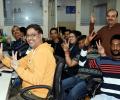
Indian benchmark equity indices, Sensex and Nifty, rallied in early trade, driven by positive global market trends and easing crude oil prices, despite the US Federal Reserve's hawkish stance tempering overall sentiment. Track Sensex, Nifty on September 18.

Tata Motors has emerged as the biggest market-share gainer among India's leading passenger vehicle (PV) makers in the first eight months of 2026, securing the No. 2 position in the PV market.

The Mahindra All India Talent Scholarship (MAITS) 2026, an initiative of the K.C. Mahindra Education Trust, aims to support students from economically disadvantaged families who wish to pursue job-oriented diploma courses at recognised Government Polytechnics in India.
The benchmark Sensex plummeted 813 points to a three-month low, with the Nifty settling below 23,450, as escalating tensions in West Asia drove crude oil prices above USD 100 per barrel, leading to widespread selling in IT, FMCG, financial services, and oil & gas shares.
Indian stock markets, including the Sensex and Nifty, experienced their third consecutive day of declines, driven by a global selloff, escalating tensions in West Asia, and a subsequent rise in crude oil prices.

Indian chess prodigy Divya Deshmukh, an Arjuna Award recipient, is set to make her debut in the Tech Mahindra Global Chess League Season 4 with defending champions Alpine Pipers. She will join a star-studded team including Magnus Carlsen, Anish Giri, and Vidit Gujrathi, expressing excitement for the rapid chess format and playing in front of a home crowd.
Indian benchmark equity indices, Sensex and Nifty, experienced declines in early trade due to elevated crude oil prices and persistent geopolitical uncertainties, particularly following the expiry of the US-Iran ceasefire. Track Sensex, Nifty on August 19, 2026.

Bengaluru is set to host a FIDE-rated Rapid Chess tournament featuring up to 1000 players, serving as a prelude to Season 4 of the Tech Mahindra Global Chess League (GCL). The tournament offers a Rs 4 lakh prize purse and a chance for participants to experience the build-up to the GCL, which will feature top chess stars like Magnus Carlsen and Viswanathan Anand.
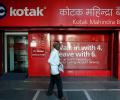
The Enforcement Directorate (ED) has arrested a former Kotak Mahindra Bank executive, Pushpinder Singh, alleged to be the mastermind of a Rs 145-crore fraud involving Panchkula municipal corporation officials, bank employees, and private individuals.

Indian benchmark indices, Sensex and Nifty, closed higher on Thursday, breaking a three-day losing streak, driven by late buying in financial heavyweights like HDFC Bank and Axis Bank, despite persistent geopolitical tensions and crude oil prices exceeding USD 100 per barrel.

Indian benchmark indices, Sensex and Nifty, closed marginally lower due to elevated crude oil prices, fresh US-Iran tensions, and expectations of a tighter monetary policy from the US Federal Reserve, despite strong domestic GDP growth.

Indian benchmark equity indices, Sensex and Nifty, rebounded after a two-day losing streak, driven by strong buying in blue-chip IT stocks and positive global market cues, with the Sensex climbing 330.92 points.

Indian benchmark indices, Sensex and Nifty, closed lower on Monday due to elevated crude oil prices, escalating US-Iran hostilities, and concerns over a potential US interest rate hike, impacting investor sentiment.

Indian benchmark equity indices, Sensex and Nifty, experienced declines in early trade due to renewed tensions in West Asia, which led to a rebound in crude oil prices, coupled with weak global market trends and foreign fund outflows.
Indian stock market benchmark indices Sensex and Nifty recorded their second consecutive day of decline, with the Sensex dropping 555.23 points and the Nifty falling 144.05 points, primarily due to rising crude oil prices and ongoing US-Iran hostilities in West Asia.
Indian benchmark equity indices, Sensex and Nifty, experienced declines in early trade due to a surge in Brent crude oil prices, which rose above USD 90 per barrel, coupled with subdued global cues and ongoing US-Iran skirmishes. Track Sensex, Nifty on Auigust 12.
Indian benchmark equity indices, Sensex and Nifty, opened higher on Monday, driven by strong buying in blue-chip stocks like HDFC Bank and Infosys, despite persistent geopolitical tensions and elevated crude oil prices.
Indian benchmark indices, Sensex and Nifty, experienced declines in early trade due to elevated crude oil prices, escalating US-Iran hostilities, and renewed concerns over a potential US interest rate hike.
IT services stocks have had tough two years, with prices coming under pressure from 2025 and the sell-off extending through the first half of 2026.

The Maharashtra Food and Drug Administration (FDA) has suspended the licences of popular Mumbai restaurant Cafe Mondegar and three other food establishments due to serious food safety and hygiene violations. This action is part of an intensified crackdown by the FDA, which also saw inspections of 38 establishments, seizure of substandard food products worth over Rs 15 lakh, and action against banned gutkha products totalling Rs 1.35 crore in seized goods and vehicles across Maharashtra.
Indian equity benchmark indices Sensex and Nifty rebounded sharply in early trade, with the Sensex jumping over 530 points, tracking a broad-based rally in Asian markets after four consecutive days of decline.

koda Auto Volkswagen India is actively exploring various approaches to penetrate India's burgeoning electric vehicle (EV) market, including importing global models, local assembly, and developing highly localised products, as EV penetration is expected to reach 17-18% by the end of the decade.

'There is mis-alignment in strategic thinking of the board and management.' 'As the business environment and customer behaviour evolve rapidly, boards are increasingly looking for leaders who can bring new ideas and challenge legacy approaches.'

Indian benchmark indices, Sensex and Nifty, saw declines in early trade, influenced by rising crude oil prices and ongoing geopolitical tensions in West Asia. Experts suggest that crude oil remains a primary concern, with Brent holding near USD 88 a barrel due to renewed US warnings against Iran, embedding a geopolitical risk premium in energy markets. Track Sensex, Nifty
