It might have taken several years, but the intelligence and security agencies in several states recently tracked down and arrested dreaded terrorists involved in creating havoc in the country. It began with the arrest of Zabbiuddin Ansari, an accused in the 2008 Mumbai terror attacks, then came the arrest of Indian Mujahideen co-founder Yasin Bhatkal followed by Lashkar-e-Tayiba bomb maker Abdul Karim Tunda, Zaveri Bazaar bomber Waqas Ahmed and now IM chief Tehsin Akthar. In a five-part series, Rediff.com's Vicky Nanjappa describes how each of these terrorists were painstakingly tracked by the Intelligence Bureau and arrested by the security agencies.

Modi said Nepal and India can benefit if they cooperate and work together for the promotion of five Ts: Tradition, Trade, Tourism, Technology and Transport.

A disparate global network of violent fundamentalist Islamic groups threatens India's eastern flank as much as the north and west with a real possibility of these spilling over into our borders, says Shyam Saran.
.jpg)
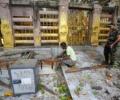
Bodh Gaya emerged as a centre that encouraged a continuous dialogue of civilisation, it has enabled India to re-forge her age old linkages with countries, who derived inspiration from Buddha's message of compassion. It is this dialogue that was sought to be interrupted by the dastardly attack, says Dr Anirban Ganguly.
 © 2026 Rediff.com - Advertise with us - Disclaimer - Privacy Policy - Sitemap - Feedback - About us - Terms of use - Grievances