
China on Wednesday hit back at United States President Donald Trump's tariffs on Chinese exports with 84 per cent levies on its imports from America, intensifying the trade war between the top two economies of the world.
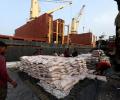
March 31 marked 10 years since the Modi government introduced its first Foreign Trade Policy (FTP 2015-20) that lasted for 8 years before the current FTP 2023 came in. Here is a brief assessment. In 2015, the government said that it aims to increase India's exports of merchandise and services from $465.9 billion in 2013-14 to approximately $900 billion by 2019-20 and to raise India's share in world exports from 2 per cent to 3.5 per cent.
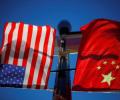
China on Tuesday retaliated US President Donald Trump's imposition of 2nd round of ten per cent tariffs on its export by slapping an additional 15 per cent tariffs on American goods and initiated legal action against Washington in WTO while leaving the door open for talks to address each other's concerns.
Here is a list of Q & As to explain these issues and implications of the US move.
American President Donald Trump has announced imposing reciprocal tariffs on its major trading partners including China that levy higher import duties on goods shipped from the United States. He has already announced a 25 per cent duty on steel and aluminium imports, which will come into effect from March 12.

India and the US have mutually resolved all six trade disputes pending at the World Trade Organisation (WTO), in line with the commitment made by the two countries during the US visit of Prime Minister Narendra Modi last month, an official said. The official said that both countries have informed the WTO's dispute settlement body (DSB) about the resolution of all the pending disputes. The WTO has already issued a communication with regard to one of the disputes related to the imposition of additional customs duties by India on 28 US products.

The top Obama Administration official said the US will negotiate agreements that commit its trading partners to protecting American intellectual property, such as the Anti-Counterfeiting Trade Agreement and the Trans-Pacific Partnership.

India's status as the pharmacy of the world is at stake.

After the European Union, Taiwan could take India to the World Trade Organisation with regard to its anti-dumping measures.
Having exhausted its powers to block a World Trade Organization probe into high import duties on wine and spirits, India is likely to slash the rates through a new law to resolve the issue with the European Union and the US.

The EU is challenging the introduction of import duties on a wide range of ICT products, for instance mobile phones and components, base stations, integrated circuits and optical instruments
Panagariya also pointed out that COVID-19 pandemic may lead to integration of global labour market.

Businesses in the US continue to face an evolving array of tariff and non-tariff barriers.

Talking tough, India on Friday threatened to drag the European Union to the World Trade Organization if the 28-nation bloc did not lift its ban on the import of Indian mangoes and vegetables.

India has stated that the move would impact Indian IT professionals.

India is not so keen to co-operate with the US on IPR related probe.
With the United States adopting protectionist policies and hiking import duties, a trade war like situation has emerged.

The unilateral pressure by US administration on India, at the behest of US Business Associations lobby through US International Trade Commission investigations and request to USTR to enlist India under Priority Foreign Country under Special 301 review, lacks legitimacy under WTO framework, the signatories to the letter said.

The decision preceded long hours of tense negotiations and last minute hiccups from Argentina and Pakistan

Protectionist and exclusionary FTAs weaken multilateralism.
 © 2026 Rediff.com - Advertise with us - Disclaimer - Privacy Policy - Sitemap - Feedback - About us - Terms of use - Grievances