
As per tradition, only men were allowed entry daily between 6-7 am into the area where the main 'linga' is placed, that too by putting on a specific gear called the sovala (silk clothing).

Fadnavis, who on Tuesday favoured a dialogue on the issue in the wake of a tense showdown, did not make any comment on the set of demands before leaving the venue.
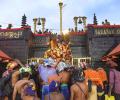
This is the third time the temple is opening after the court verdict, though no girl or woman in the previously banned age group could offer prayers so far following stiff resistance by devotees and activists, opposing any change in the temple traditions. The apex court on September 28 lifted the age-old ban on entry of girls and women in the 10-50 age group.
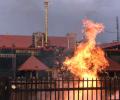
A 12-hour hartal is being observed against the preventive detention of a Hindu Aikya Vedi leader.

Chief Minister Pinarayi Vijayan pointed out that since the court had not stayed its September 28 verdict, there was no other option but to allow women in the age group of 10-50 years during the upcoming pilgrim season.
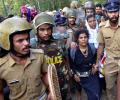
After several women were prevented from entering the Sabarimala shrine after the Supreme Court verdict upheld their right to do so, Bindu and Kanakadurga managed the seemingly impossible. Syed Firdaus Ashraf/Rediff.com finds out how they did it.

Temple priest performed a 'purification' ritual for an hour before the doors were opened again.
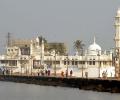
Women will be granted access to the sanctum sanctorum of the Haji Ali shrine in Mumbai on par with men

'If we do not enter the temple, then history won't be made and all wrong rituals will get continue to be followed.' 'If they resort to violence against women and abuse them, how can they be Ayyappa Swamy's bhakts?'

The court said, "The ban imposed on women from entering the Haji Ali dargah is contrary to Articles 14, 15, 19 and 25 of the Constitution of India."
 © 2026 Rediff.com - Advertise with us - Disclaimer - Privacy Policy - Sitemap - Feedback - About us - Terms of use - Grievances