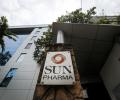
Sun Pharmaceutical Industries stock ended 2.15 per cent higher on Friday after zooming by almost 5 per cent in the morning trade on the back of an announcement that a court ruling has cleared the deck for the India's largest pharmaceutical company to launch its alopecia drug Leqselvi in the United States.

From the Sensex pack, Asian Paints, NTPC, Reliance Industries, Tata Steel, Bajaj Finserv, Hindustan Unilever, Sun Pharmaceuticals, Adani Ports & SEZ, Axis Bank, Tata Consultancy Services, Titan and Bajaj Finance were the major gainers. Tech Mahindra, Kotak Mahindra Bank, Zomato, Tata Motors, and IndusInd Bank were the laggards.

From the Sensex pack, Tata Consultancy Services, HCL Technologies, Tech Mahindra, Infosys, Tata Motors, Bajaj Finance, Kotak Mahindra Bank, Mahindra & Mahindra, Bharti Airtel and Maruti Suzuki India, Tata Steel were the major laggards. PowerGrid, Sun Pharmaceuticals, UltraTech Cement, NTPC, Asian Paints, Nestle India, Titan, IndusInd Bank and Axis Bank were among the gainers.

India now has 284 billionaires, 13 more than last year, maintaining its position as the third-largest dollar-billionaire hub globally, after the US and China.

Among Sensex shares, Infosys, Tata Consultancy Services, Tech Mahindra, Sun Pharmaceutical, Bajaj Finserv, HCL Technologies, Bajaj Finance, HDFC Bank, IndusInd Bank and Kotak Mahindra Bank were among the gainers. Tata Motors, PowerGrid, Axis Bank, State Bank of India, NTPC, Tata Steel and Adani Ports were the major laggards.

After falling 17 per cent since the start of the year to its March lows, the stock of the country's largest pharmaceutical (pharma) company, Sun Pharmaceutical Industries, has clawed back nearly half of those losses. Recent acquisitions, a favourable court ruling in the case of the hair loss drug Leqselvi, an edge over peers owing to its specialty portfolio, and a diversified global presence have supported the recovery.

Indian drugmakers supply 47 per cent of the generic medicine requirements in the US, and tariffs would have increased prices in the US domestic market for patients, who are already dealing with drug shortages.
Industry insiders in India warn that any such move in the pharmaceutical sector could be counterproductive for the US as it may face increased drug shortages if tariffs are imposed on such imports.

Indian pharmaceutical companies may have units abroad as part of "distributed manufacturing" across various locations, according to industry veterans. This may come about over the next five to 10 years.

From the Sensex pack, Reliance Industries, Bajaj Finserv, HDFC Bank, Adani Ports, Maruti Suzuki India, Axis Bank, Hindustan Unilever, Sun Pharmaceuticals and Asian Paints were among the laggards. Reliance Industries fell the most by 2.38 per cent to close at Rs 1,171.10 apiece.
'Obesity is a raging conversation globally now, and manufacturing of generics will pick up after the patent expires.'

Enhertu currently costs around Rs 1.6 lakh per 100-milligram injection.

From the Sensex stocks, Maruti Suzuki India, Tata Motors, JSW Steel, Larsen & Toubro, Tata Steel, Mahindra and Mahindra, Tata Consultancy Services, Tech Mahindra, HCL Technologies and Infosys were the laggards. HDFC Bank, Sun Pharmaceuticals, Kotak Mahindra Bank, Nestle India and Asian Paints were among the gainers.
From the Sensex pack, Tata Motors, Sun Pharmaceutical, Bharti Airtel, Bajaj Finserv, ICICI Bank, Mahindra & Mahindra and JSW Steel were the gainers. Tech Mahindra, HCL Technologies, Asian Paints, Titan, Infosys, State Bank of India, Tata Consultancy Services and HDFC Bank were the laggards.
Around six weeks ago, Sun Pharmaceutical Industries, India's largest drugmaker, suffered a setback, which led to a selloff in the share. The US District Court of New Jersey granted Incyte's request for a preliminary injunction against Sun Pharma's launch of Leqselvi, a drug that treats alopecia.

Among the Sensex pack, HCL Technologies, ICICI Bank, Tata Motors, Sun Pharmaceuticals, Tata Consultancy Services, Infosys, Kotak Mahindra Bank and Mahindra and Mahindra were the gainers. In contrast, HDFC Bank, Bajaj Finance, Larsen & Toubro, Tech Mahindra, UltraTech Cement and IndusInd Bank were among the laggards.
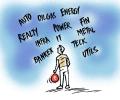
From the Sensex pack, Tata Motors, NTPC, Bajaj Finserv, Power Grid Corp, Titan, Asian Paints, IndusInd Bank, Maruti Suzuki India and Tata Steel were among the biggest gainers. Sun Pharmaceuticals, ITC, Hindustan Unilever, Bharti Airtel, UltraTech Cement and Reliance Industries were among the laggards.

Among the 30-share Sensex pack, State Bank of India, Reliance Industries, Hindustan Unilever, NTPC, Larsen & Toubro, Nestle India, Power Grid, ITC, JSW Steel and Sun Pharmaceuticals were the major gainers. On the other hand, HDFC Bank, Titan, Mahindra & Mahindra, IndusInd Bank, UltraTech Cement, Tata Motors, HCL Technologies and Asian Paints were among the laggards.

Recouping the dent caused by the Hindenburg Research report, Gautam Adani's networth shot up 95 per cent to Rs 11.6 lakh crore last year, which helped him replace Mukesh Ambani to become the richest Indian, a report said on Thursday. Reliance Industries chairman and managing director Ambani's overall networth increased by 25 per cent to Rs 10.14 lakh crore, as per the 2024 Hurun India Rich List. In 2023's report, Adani's wealth declined by 57 per cent to Rs 4.74 lakh crore, and Ambani was way ahead with a fortune of Rs 8.08 lakh crore.
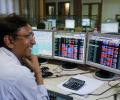
Equity benchmark indices Sensex and Nifty settled higher on Thursday, powered by a rally in banking and power stocks amid a largely firm trend in global markets. The stock markets mostly traded range-bound in the absence of any major trigger and persistent foreign capital outflows, traders said. The 30-share BSE Sensex rose 144.31 points, or 0.18 per cent, to settle at 81,611.41.
Analysts are expecting pharmaceutical companies to post sales growth of 10-11 per cent in the second quarter this financial year while the Ebitda (earnings before interest, tax, depreciation, and amortisation) margins are anticipated to improve by about 110 basis points. Ebitda improvement will be led by lower input costs because prices of active pharmaceutical ingredients (APIs) are 5-15 per cent lower year-on-year (Y-o-Y). Axis Capital said sales growth would be around 10 per cent, of which growth in the India market would be 11 per cent or so.

The collective wealth of the 100 richest went past $1 trillion for the first time.

Indian pharmaceutical companies are stepping up their efforts to combat the problem of counterfeit drugs, employing a variety of strategies, from packaging innovations to engaging private investigation agencies. The stakes are high, as counterfeit medicines not only harm consumers but also tarnish the reputation of leading brands.
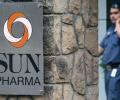
Drug major Sun Pharma is recalling over 34,000 bottles of a generic medication, used to treat high blood pressure, in the US market due to failed dissolution testing. As per the US Food and Drug Administration's Enforcement Report, the US-based arm of Sun Pharmaceutical Industries is recalling lots of Diltiazem Hydrochloride extended-release capsules which are used to treat angina, high blood pressure and some types of irregular heartbeats.

Amit A Shah holds a stake in 180 listed entities, according to data disclosed in his election affidavit.

'That is a significant milestone for us and something we aspired for.'

Sun Pharmaceutical Industries reported a 34 per cent year-on-year (Y-o-Y) jump in net profit to Rs 2,654.6 crore in Q4FY24.

Collectively, these companies spent Rs 628 crore (Rs 6.28 billion) on political contributions in the past five years, according to their annual reports.

Indian pharmaceutical firms foresee minimal disruptions in trade with Israel despite escalating regional tensions. Rising crude prices and export shipping insurance premiums have raised concerns, but the pharmaceutical sector remains optimistic. Pharmaceutical exports from India to Israel in FY 2020-21 amounted to $32.5 million, which represents only a minor segment of India's overall pharma exports.
Traction for its specialty portfolio, a strong showing in the domestic market, and better regulatory compliance are positives for the country's largest pharmaceutical (pharma) company, Sun Pharmaceutical Industries. Given the triggers, some brokerages have increased their earnings per share estimates and target price for 2024-25 (FY25). This should sustain the momentum for the stock, which has been one of the major pharma gainers in 2023-24 (FY24), rising 57 per cent. It is currently trading at Rs 1,547 per share.

Corporate India is starting to step up its capital expenditure plans amid government incentives and signs of rising demand, company executives and analysts have indicated. This coincides with the Reserve Bank of India (RBI) recently citing a double-digit growth in private capital expenditure. Healthy balance sheets of banks and corporates, along with increasing capacity utilisation and improving business sentiment, are contributing to a favourable environment for sustained growth in private sector investments, the RBI said in its policy last week.

Which entrepreneur would willingly part with her or his hard-earned money for grasping, self-serving politicians? asks Debashis Basu.

The IPO boom in 2023 added four new promoters to the billionaires' list.

The top 300 pharmaceutical brands in the country will now bear a quick response (QR) code on their packaging to rein in spurious drugs and ensure better traceability.
Sun Pharmaceutical Industries Ltd on Thursday said its Halol facility in Gujarat has been listed under import alert by the USFDA with products manufactured at the unit now are subject to refusal of admission in the US market. The development follows an inspection of the facility by the US Food and Drug Administration (USFDA) from April 26 to May 9, 2022. "We now wish to inform you that the company has received a communication from the USFDA stating that the facility has been listed under Import Alert," Sun Pharma said in a regulatory filing.
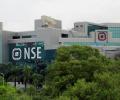
The stock exchange on which they are traded boasts higher profits than most of the companies whose shares are hitting new highs. Only 37 of approximately 2,000 listed companies with comparable data for 2022-23 (FY23) reported higher profits, while the rest had lower profits. Despite rising corporate profitability, the universe of companies that outperform the National Stock Exchange (NSE) in terms of profitability has been shrinking of late, according to an analysis of companies with comparable data over the past seven years.

'Interim Budget has ignited the entrepreneurial spirit.'

An acute drug shortage in the US and stable pricing along with product launches are likely to boost revenues of India's pharmaceutical companies during the first quarter of this financial year, analysts said. Most brokerages estimate a top line growth of around 14-15 per cent, with earnings before interest, taxes, depreciation, and amortisation (Ebitda) growth of 24-30 per cent for Q1 of FY24. Hospitals are, however, likely to report lower occupancy rates, and diagnostics companies may witness an impact from delayed monsoon.

Rishad Premji, chairman of IT services major Wipro, saw his compensation for FY23 decline by almost 50 per cent year-on-year, due to a fall in the firm's profit. According to the Form 20-F, filed with the US Securities and Exchange Commission by Wipro, Premji's compensation for FY23 was $951,353, down 50 per cent from $1,819,022 in FY22. "Rishad A Premji is entitled to a commission at the rate of 0.35 per cent on incremental consolidated net profits of Wipro Limited over the previous fiscal year. However, in light of the fact that the incremental consolidated net profits for fiscal year 2023 was negative, the Company determined that no commission was payable for fiscal year 2023 to Mr Rishad A. Premji," said the company in the filing.

ITC was the biggest gainer in the Sensex pack, rising nearly 3 per cent, followed by Kotak Mahindra Bank, ICICI Bank, Maruti, Bharti Airtel, State Bank of India, Sun Pharmaceutical Industries, Axis Bank, Reliance Industries, Hindustan Unilever and JSW Steel. On the other hand, Infosys, UltraTech Cement, HCL Technologies, Bajaj Finserv, Larsen & Toubro, Titan, Tata Consultancy Services and Wipro were the laggards.
 © 2026 Rediff.com - Advertise with us - Disclaimer - Privacy Policy - Sitemap - Feedback - About us - Terms of use - Grievances