
According to the IMD, a rain event is categorised as a cloudburst if a weather station receives 100 mm of rain in one hour.

The cold wave conditions are likely to intensify across the Kashmir Valley as the weather is expected to remain dry for another week.
Media reports said that the earthquake occurred at around 11.36 am, and added that residents of the region rushed out of their homes on feeling the tremors.
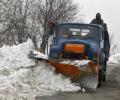
The Srinagar-Jammu national highway, the only all-weather road linking Kashmir to the rest of the country, was closed for vehicular traffic as the valley including Srinagar experienced fresh snowfall on Wednesday.
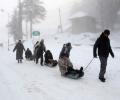
The 40-day period of harshest winter ended on Saturday

There was some respite in cold conditions in Kashmir as the mercury went up by several degrees at most places after four days of virtual free fall.

Kashmir Valley on Thursday experienced fresh snowfall with most places, especially the plains, witnessing the first snow of the season, breaking the prolonged dry spell at the fag end of 'Chillai-Kalan', the 40-day period of harshest winter. While the snowfall was mild and brief, it nonetheless brought much joy to the locals.

The floods that engulfed the state of Jammu and Kashmir have been unprecedented in its history. In fact, the deluge of rains suffered by the state was at par --- and in some case, far worse --- than what was witnessed in Uttarakhand in June last year.
 © 2026 Rediff.com - Investor Information - Advertise with us - Disclaimer - Privacy Policy - Sitemap - Feedback - About us - Terms of use - Grievances