
Global financial consultancy firm Ernst and Young wants the personal income tax slabs to be raised to a reasonable level as the lowest bracket "kicks in too early".

It is doubtful that our political masters are even aware of the features of the Model Law.
GST Bill needs a two-thirds majority in each House.

The GST will alter the very face of fiscal federalism in India.

A moderate GST rate obviates the need for the two-rate structure.
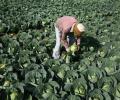
Revised draft model Bill clearly says an agriculturist for the purpose of agriculture won't be liable for registration under GST.

Common items between Centre and states - bread, eggs, milk, vegetables, cereals, books and salt - will continue to be exempted.

The government now ends its mandate with reaffirmation in the vote-on-account of the same goals, for which it claims to have a clear line of sight.

The implementation of the GST will indeed be a landmark reform.

The GST bill's draft says tax would be levied on Maximum Retail Price

Excise exemptions may be whittled in Budget to offset higher govt salaries, pensions
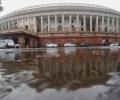
If the government does not allow the Opposition a few victories, then it is opening the door to paralysis and an entrenched culture of confrontation.

"At present, there are two main rate slabs under which sa majority of goods are covered -- five per cent and 12.5 per cent -- which will now increase to three (five per cent, 12 per cent and 18 per cent).Will this result in multiple litigations is anybody's guess."

Although the markets could see a knee-jerk reaction, they rule out a sharp fall.

The government has provided a long-term vision.
 © 2026 Rediff.com - Investor Information - Advertise with us - Disclaimer - Privacy Policy - Sitemap - Feedback - About us - Terms of use - Grievances