
Meanwhile, a three-member committee appointed to probe the attacks that killed 258 people, including 11 Indians, on Monday submitted its final report to President Maithripala Sirisena.

Sirisena dissolved Parliament hours after a close aide of the President said that there will be no snap elections or a national referendum to end the current crises.

Political analysts said Sirisena's move to install Rajapaksa as the prime minister could lead to a constitutional crisis as the 19th amendment to the Constitution would not allow the sacking of Wickremesinghe as the premier without a majority.

The SC ordered a halt to preparations for snap elections on January 5.

Sri Lanka President Maithripala Sirisena sacked Prime Minister Ranil Wickremesinghe and appointed former strongman Mahinda Rajapaksa as the new premier. Sirisena's move has triggered a constitutional crisis in the country. Here are some points about the unfolding crisis and the role of key players:
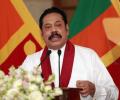
The parliament has approved a no-trust vote against Prime Minister Rajapaksa, speaker of parliament Karu Jayasuriya announced in the House.

President Maithripala Sirisena's new Cabinet was also sworn in and Rajapaksa was named the new minister of finance and economic affairs.

Speaker Karu Jayasuriya questioned the president's decision to suspend parliament till November 16, saying it will have "serious and undesirable" consequences on the country.
 © 2026 Rediff.com - Investor Information - Advertise with us - Disclaimer - Privacy Policy - Sitemap - Feedback - About us - Terms of use - Grievances