.jpg)
Traders were up in arms, fearing huge job loss if Walmart was to enter.

Internet giant Google Inc is 'experimenting' with a service that will enable web surfers to block out all advertising for a small monthly fee of $3 or below.

High fiscal deficits raise inflation which hits the lowest income and salaried classes.

'On the tax front, most of the Budget proposals are sensible'.


Banks cannot shirk their responsibility in cases of frauds.

In advanced economies where the financial system is more matured, the form of shadow banking is more of risk transformation through securitisation.
The hype surrounding the Budget gives it undue importance.
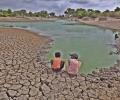
The well-irrigated states of Punjab, Haryana, Karnataka, western Uttar Pradesh and coastal states such as Odisha are, for the first time, feeling the effects of a poor monsoon.

In India we have to be careful not to copy any level of dependence on the financial sector and infatuation with the get-rich-quick syndrome, says Jaimini Bhagwati.

Stability in currency markets was only restored from September.

It is surprising that central bankers around the world have cautioned the US Federal Reserve against raising rates.

Economic reforms seem to be on a slow train, while good old fiscal populism is alive and flourishing.

It is high time to manoeuvre the rupee more effectively and predictably, even as it has to be recognised that such tweaking of the rupee needs to be accompanied by reforms to the real sector and factor markets.

The RBI should provide readily accessible summary information on its website about all corporate debt defaulters and the amounts involved.

Macro data have little connect with indicators on the ground.

Getting the balance between fiscal restraint and growth-contracting policy remains a problem.
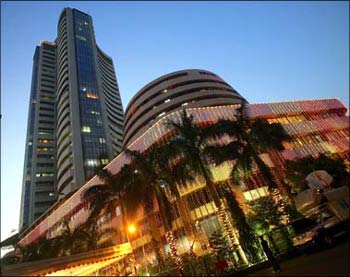
It will be difficult for the Indian equity to outperform overall growth to the extent bullish observers expect.

The better performing states throw up more employment opportunities including at unskilled levels.

Most mainstream researchers agree that good governance is a necessary condition for growth.

I still believe that it is a good thing that think tanks are mushrooming in Delhi. They provide a platform for discussion, even if they shed more heat than light. With Parliament almost incapable of serious debate, informed discussion and civilised discourse, where does this nation get its intellectual churn, asks Mohan Guruswamy.

The Modi government's array of economic policy has been impressive.

The estimates of national income and growth do not pass the 'smell test'.

This Budget plans for an increase to 10.3% of GDP from 9.9%.

FM should avoid proposals such as to tax financial transactions and fringe benefits

There are conflicting signs on India's investment cycle.

Creating many more half-decent jobs for the 10 million plus new entrants to the labour force each year must surely constitute the primary development challenge for India today.

With Jaitley preferring continuity over change, good days might take a little longer to arrive, says Shankar Acharya.

Because of India's weak fiscal position, the plethora of debt-burdened infrastructure companies and the poor asset quality of public sector banks, economic growth in 2015-16 may be limited to about six per cent, say Shankar Acharya.

The fiscal deficit of the Centre remains a worry, running at over 6.5 per cent of GDP in April-September 2014, mainly because of revenue shortfalls from exaggerated projections in the government's July Budget and despite the relief on subsidies from lower oil prices.

The external affairs ministry's files, as distinct from those of the ministry of defence or the agencies, at least from before 1974 should be declassified. And if select files that are more than 40 years old are not to be declassified, the ministry should follow explicit guidelines to justify taking such a view, says Jaimini Bhagwat.

The prime minister's August 15 address was undoubtedly inspirational and outlined important economic and social objectives, such as making India a global hub for manufacturing, ensuring bank accounts for all poor families, major thrusts in sanitation and cleanliness, and a radical restructuring of the Planning Commission.
.jpg)
The toxic brew of fiscal populism, crony capitalism and bad economic management has ensured the collapse of economic growth, industrial stagnation, stubbornly high consumer inflation, declining savings and investment, shrinking employment opportunities, and a dangerously vulnerable external financing situation.
