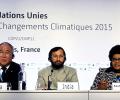
The omission of historical responsibilities, implying the build-up in the atmosphere of 165 years of greenhouse gas emissions from industrialised countries, is a body blow to the notion of climate justice, sums up Darryl D'Monte, reporting exclusively for Rediff.com from COP21.

The negotiations started on Sunday, a day ahead of schedule.

A key UN climate change summit that will be attended by nearly 150 world leaders including Prime Minister Narendra Modi kicks off on Monday under the shadow of the deadly Paris terror attack to try to craft a long-term deal to limit carbon emissions.
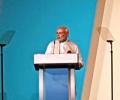
"In the flux and transition of our times, the most critical need in this region is to uphold and strengthen the rules and norms that must define our collective behaviour," he said.

India is actively involved in reducing carbon emissions.

2015 is going to witness new agreements on climate change.

The two countries also decided to expand trade and commercial ties holding that there are opportunities to exploit untapped economic potential in the two countries.

We lost the gains of Rio and Kyoto in Copenhagen and Paris, but it would have been worse, if any mandatory restraints were imposed on our green house gas emissions, says Ambassador T P Sreenivasan.

Recognising the threat posed by outfits like the Al Qaeda, Lashkar-e-Tayiba and the Dawood Ibrahim network, India and the United States have agreed to deepen cooperation in fighting terrorism and asked Pakistan to bring to justice the 2008 Mumbai attack perpetrators.
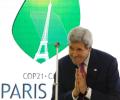
If Paris really meant to serve as a landmark in recognising equity in climate negotiations, it should have heralded the second phase of the Kyoto protocol. Instead we have all countries, India and China included, all signing up with voluntary commitments in what can only be seen as a race to the bottom, reports Darryl D'Monte.

COP 21 is about how much carbon space is left and who gets how much of that space
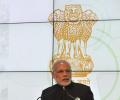
"Climate change is a major global challenge. But it is not of our making," Modi said.

The Niti Aayog has finalised the first draft of a new national energy policy.

Developed and developing countries are very different and they are different from variety of reasons on climate change.

'It is in the interest of both sides that the visit of the US President is seen as being successful. Both sides have invested considerable political capital in it. This rapid exchange of visits and the decisions taken have to be justified, beyond the symbolism, which is no doubt important in itself. This opportunity to impart a fresh momentum to ties should not be missed,' says former foreign secretary Kanwal Sibal.

Moving ahead with their new mantra -- Chalein Saath Saath: Forward Together We Go -- Prime Minister Narendra Modi and United States President Barack Obama on Tuesday vowed to deepen cooperation in every sector for the benefit of global stability and people's livelihoods over the next ten years.
 © 2026 Rediff.com - Advertise with us - Disclaimer - Privacy Policy - Sitemap - Feedback - About us - Terms of use - Grievances