
Bharti Airtel, India's second-largest telecom operator, reported a 37.3 per cent rise in consolidated net profit to 8,167 crore for Q1 FY27, driven by the addition of high-paying premium customers, despite missing Bloomberg consensus estimates.

Bharti Airtel's first-quarter (April-June/Q1) performance for 2026-27 (FY27) surpassed estimates across most metrics, fuelled by robust growth in both its India and Africa operations, with significant increases in average revenue per user (Arpu) and subscriber additions.
Bharti Airtel added 7.64 trillion in value over the past five years, making it the biggest wealth creator in India's private sector, while the IT sector, including TCS, Infosys, and Wipro, collectively lost 8.5 trillion in value, according to the latest Burgundy Private Hurun India 500 report.

Despite recent share price dips, Bharti Airtel is strategically positioned for growth, driven by investments in data centres via Nxtra, a potential tariff hike, and strong performance in Africa, alongside efforts to deleverage and expand its subscriber base in underpenetrated rural markets.
Bharti Airtel reported a 33.5 per cent decline in consolidated net profit to Rs 7,325 crore for the March 2026 quarter, primarily attributed to one-time provisions for statutory and tax liabilities.

Indian benchmark equity indices, Sensex and Nifty, experienced declines in early trade due to a surge in Brent crude oil prices, which rose above USD 90 per barrel, coupled with subdued global cues and ongoing US-Iran skirmishes. Track Sensex, Nifty on Auigust 12.

Indian benchmark indices, Sensex and Nifty, experienced declines in early trade, primarily due to a surge in crude oil prices and a retreat in Wall Street, as investors reduced exposure to risk assets amidst geopolitical uncertainty. Track Sensex, Nifty on August 7, 2026.

Indian benchmark indices, Sensex and Nifty, saw a significant rebound in early trade, with the Sensex jumping 726 points and the Nifty climbing over 200 points, primarily driven by strong performances in IT stocks, HDFC Bank, and renewed foreign fund inflows. Track Sensex, Nifty on July 29.

The scholarship covers 100 per cent of the annual tuition fee, hostel and mess charges and provides a laptop in the first year.

Indian benchmark indices Sensex and Nifty closed lower, with the Nifty recording its fourth consecutive day of decline, primarily due to elevated oil prices and ongoing geopolitical tensions between the US and Iran, which dampened investor sentiment.

Analysts predict that the Reserve Bank of India's interest rate decision, the evolving situation in West Asia involving the US-Iran conflict, and crude oil prices will be the primary factors influencing investor sentiment in the Indian stock market this week.
Indian benchmark indices Sensex and Nifty recorded sharp gains, rising over 1 per cent, driven by strong performances in IT stocks, HDFC Bank, and renewed foreign fund inflows, despite mixed global cues and elevated crude oil prices.
Indian benchmark equity indices, Sensex and Nifty, extended their decline for a second consecutive day, primarily due to elevated crude oil prices and selling pressure on Tata Group stocks following Tata Sons Chairman N Chandrasekaran's announcement that he will not seek reappointment.

India's 10 most valuable families had a combined valuation of Rs 70.5 trillion.
Indian benchmark indices Sensex and Nifty closed lower, with the Sensex dropping 388 points and Nifty declining 112 points, as a sharp rally in crude oil prices, driven by geopolitical uncertainties and concerns over the Strait of Hormuz, dampened investor sentiment and reignited inflation fears.
Indian benchmark indices Sensex and Nifty saw declines in early trade, influenced by elevated crude oil prices stemming from renewed geopolitical uncertainties, particularly concerns surrounding the Strait of Hormuz. Track Sensex, Nifty on August 11, 2026.
Indian benchmark indices, Sensex and Nifty, experienced declines in early trade due to a significant spike in crude oil prices, driven by escalating geopolitical uncertainties, despite positive cues from Asian and US markets.

Indian benchmark stock indices, Sensex and Nifty, extended their winning streak to a fourth day, with Nifty surging 1.60 per cent, driven by a sharp decline in crude oil prices and renewed foreign fund inflows.
Indian benchmark indices Sensex and Nifty rebounded in early trade on Thursday, recovering from a sharp fall in the previous session, driven by foreign fund inflows and buying in key blue-chip stocks. Track Sensex, Nifty on July 9, 2026.

Indian benchmark indices Sensex and Nifty saw a significant rebound in early trade, driven by a sharp decline in crude oil prices and easing geopolitical tensions in the West Asia, which improved market sentiment and reduced inflation fears. Track Sensex, Nifty on July 27.

Bharti Airtel on Monday reported over twofold jump in consolidated net profit at Rs 8,651 crore for September quarter FY26, mainly on account of growth in high-paying smartphone customers and post-paid connections.
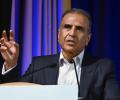
Bharti Airtel is strategically shifting its focus towards data centres, cloud services, and financial services as key drivers for its next phase of growth, leveraging significant past investments in digital infrastructure, as outlined by Chairman Sunil Mittal in the company's Annual Report for 2025-26.

The fully funded scholarship covers 100 per cent annual fees, including meal and accommodation charges.

Indian benchmark indices Sensex and Nifty experienced a significant decline in early trade, with the Sensex falling over 500 points and the Nifty over 150 points, as Brent crude oil prices surged past USD 100 per barrel due to escalating geopolitical tensions in the West Asia. track sensex, Nifty on July 24.
Indian benchmark indices Sensex and Nifty rallied in early trade, primarily driven by strong buying in IT stocks after Tech Mahindra reported a significant 28.4 per cent rise in its consolidated net profit for the June quarter.
Indian benchmark indices, Sensex and Nifty, recorded their fifth consecutive day of losses, driven by investor caution over rising oil prices due to West Asia tensions and renewed concerns regarding US trade tariffs.

Nearly 50 per cent of the stocks that comprise the Nifty 50 are trading below their respective 200-DMAs.
Indian benchmark indices Sensex and Nifty experienced a significant tumble in early trade, primarily driven by heavy selling in HDFC Bank following its quarterly earnings and a sharp spike in Brent crude oil prices due to escalating tensions between the US and Iran. Track Sensex, Nifty
Indian benchmark indices, Sensex and Nifty, closed lower due to significant selling in HDFC Bank and Axis Bank shares, driven by margin-related concerns and escalating US-Iran tensions, which also pushed crude oil prices higher.
Indian benchmark indices, Sensex and Nifty, experienced a significant downturn as escalating tensions in West Asia led to a sharp surge in crude oil prices, coupled with fresh foreign fund outflows and a weakening rupee.

Indian benchmark indices Sensex and Nifty continued their upward trend for a second consecutive day, with the Sensex gaining over 800 points, driven by strong performances from heavyweights like Reliance Industries, ICICI Bank, and HDFC Bank, alongside positive cues from easing crude oil prices and robust IT sector earnings.
Indian stock markets witnessed a significant rally, with the Sensex climbing 964.58 points and the Nifty reaching 24,330, driven by strong buying in blue-chip stocks, particularly in the IT and banking sectors, amidst optimism over Q1 earnings and a shift towards large-cap investments.
Indian benchmark equity indices, Sensex and Nifty, saw early gains driven by strong buying in blue-chip bank stocks, fresh foreign fund inflows, and a decline in global crude oil prices, boosting investor confidence.

LIC is the only brand in the Brand Finance India 100 2026 report that has a top five rank in both brand value and brand strength.

Indian benchmark indices, Sensex and Nifty, experienced a decline in early trade due to uncertainty surrounding the upcoming US-Iran negotiations in Doha. Foreign fund outflows and a dip in major IT stocks further contributed to the market's cautious sentiment, despite mixed performance in global markets.

Indian benchmark indices Sensex and Nifty surged in early trade, with the Sensex jumping nearly 700 points, primarily driven by strong buying in IT stocks following TCS's positive June-quarter results and optimistic demand outlook. Track Sensex, Nifty on July 10, 2026.
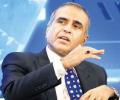
Telecom czar Sunil Bharti Mittal plans to hand over the reins of Bharti Airtel to his children in the next decade and desires that promoter firm Bharti Telecom regains over 50 per cent stake in the company.

The combined market valuation of four of India's top-10 most valued firms, including State Bank of India, Bharti Airtel, Tata Consultancy Services, and Larsen & Toubro, eroded by Rs 1 lakh crore last week amidst a volatile and range-bound equity market.

'1991 was an exceptional period in Indian history.' 'A big 400-volt shock was administered to the system, which was required. Today, we are in a much, much better position.'

Indian benchmark indices, Sensex and Nifty, staged a moderate rebound after a significant correction in the previous session, driven by foreign fund inflows and a largely positive trend in global markets, though geopolitical tensions between the US and Iran continued to foster caution.
