

Dr Sonali Ghosh, the first woman to head the Kaziranga National Park and the first Indian to win the IUCN's Kenton Miller Award, has turned her childhood love for nature into an inspiring career in wildlife protection and leadership.
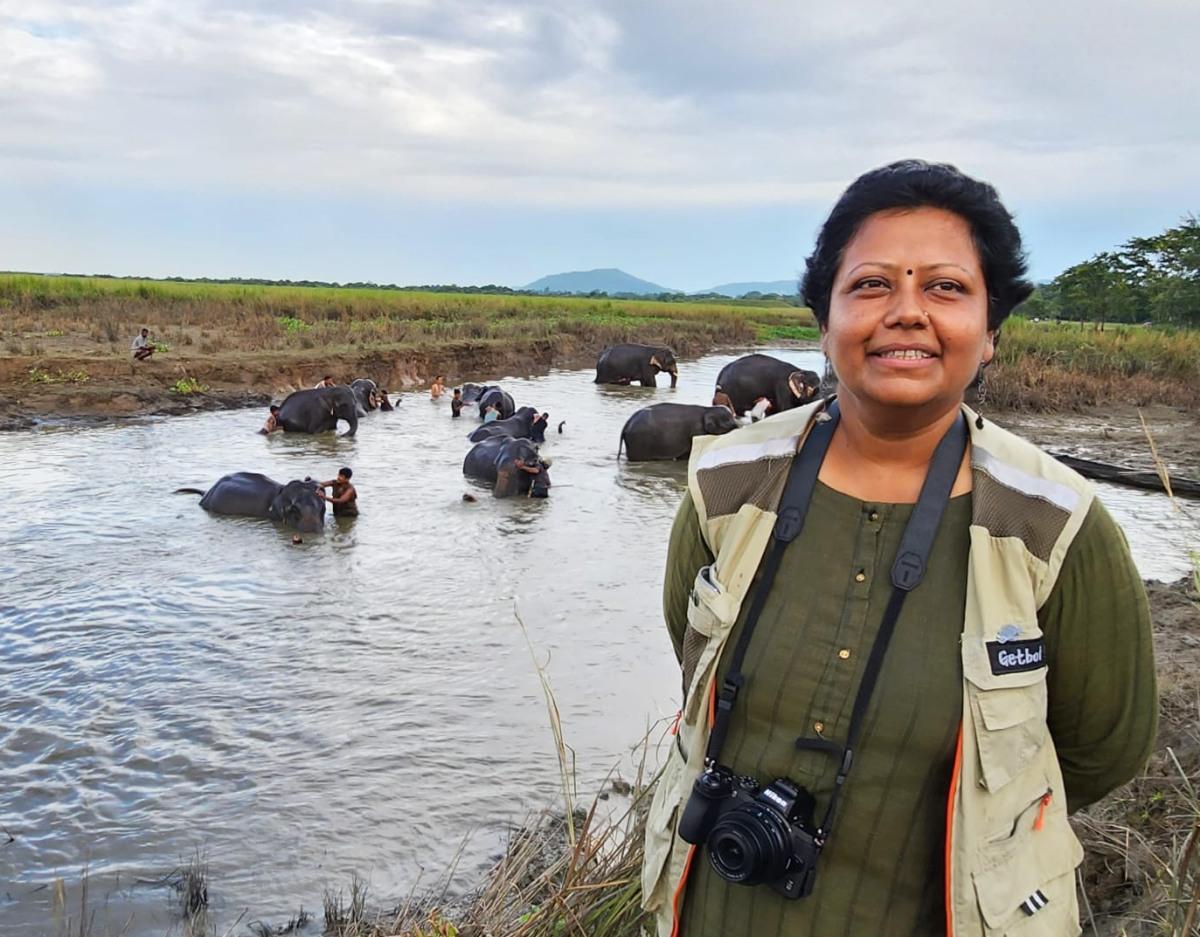
There are many firsts to her credit.
The most notable among them are:
She is the first woman field director of the Kaziranga National Park.
She is also the first Indian to win one of the world's highest honours in conservation, the IUCN's Kenton Miller Award.
She is Dr Sonali Ghosh, an Indian Forest Service Officer who began her career as a trainee at the Kaziranga National Park and is now its Field Director.
Association with nature started in childhood
As my father was in the armed forces, we were moving around in many places in India, and I vividly remember the scenic places he was posted in. We also had pets at home all the time.
So, nature and animals were an integral part of my growing up years.
But not even in my wildest dreams did I think of becoming someone associated with wildlife.
I belong to the generation who wanted to be either a doctor or an engineer. But I failed in the examination to be a doctor.
Nevertheless, I enjoyed studying science.
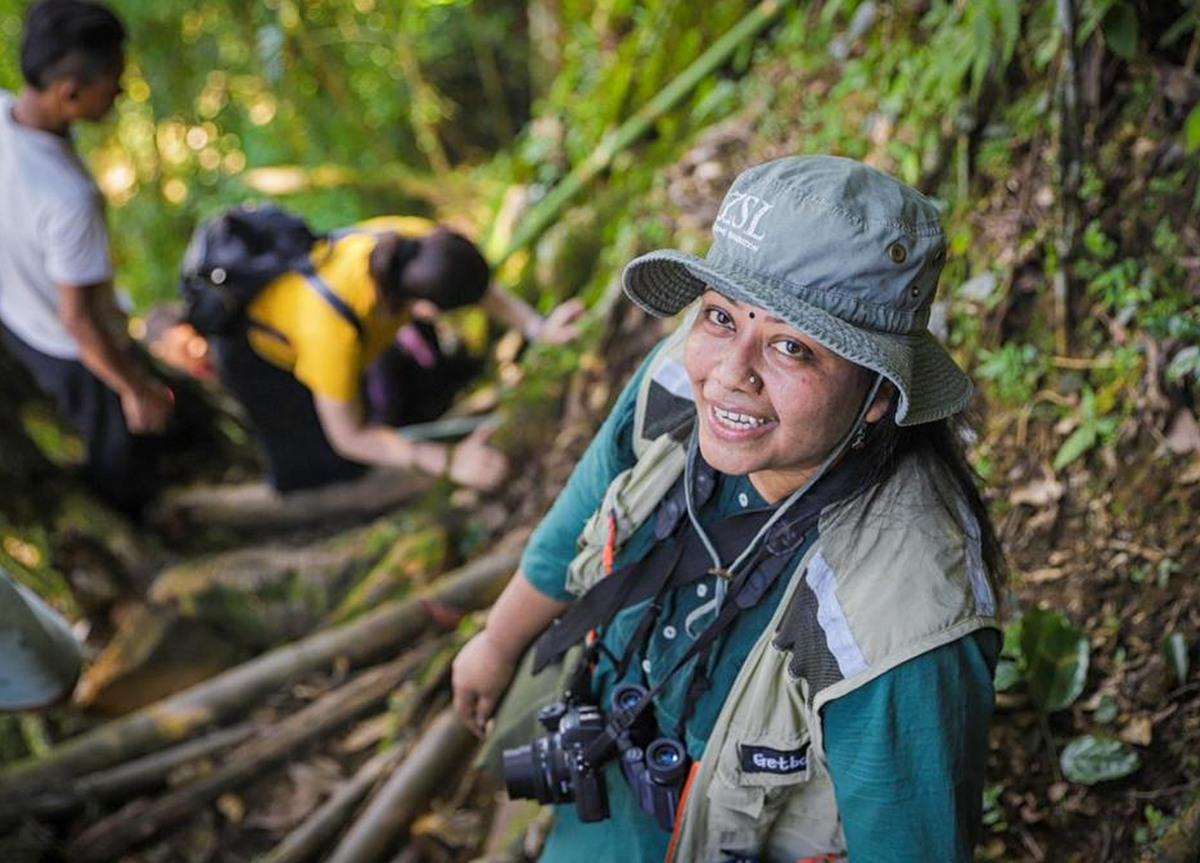
Getting admission at the Wildlife Institute of India
I did my graduation in Dehradun but I admit I had no clue at that time that one could study wildlife.
While I was looking for an interesting master's course, I happened to see the Wildlife Institute of India calling for applicants.
The Institute conducted the entrance examination only once in two years, and they admitted only 10 students!
The turning point in my life was getting selected for the interview.
Once I entered the Institute for the interview, I knew wildlife was my calling.
I could feel a lot of positivity there. And I knew this was where I wanted to be and this was what I would love to do.
Unfortunately, the questions I was asked were about my experience in the wildlife sector which I didn't have any.
When the results came, I was 8th in the merit list, and only the top 6 students got qualified for the scholarship. And it was an expensive course with Rs 3 lakh per year as fees which was a huge amount in 1995.
I was disheartened and had almost given up. By then the classes had started.
Sometimes, miracles do happen.
The WWF (World Wide Fund for Nature) decided to support one candidate with a scholarship.
It so happened that the 7th candidate was either not reachable or had already taken admission elsewhere.
And the offer came to the 8th candidate which was me.
So, one fine morning our course director Dr Ravi Chellam called me on our landline and asked whether I would be interested in accepting the scholarship. I literally jumped at it.
Studying under great scientists
We were 11 students and the 5th batch of the master's course.
The two years turned out to be one of the most memorable times of my life. When I look back, those two years had a very strong influence in my thinking towards wildlife.
The topmost scientists of today were doing their research on wildlife conservation at that time and it was a blessing to study under them.
I would say it was the golden period of the institute when great research on lions, wolves or tigers were happening.
As students we could travel to the best places and experience wildlife first hand.
What I differed in was, while the Institute taught us to be scientists, I preferred applying what I had learnt in the field and on wildlife conservation management.
That's why I chose 'the impact of fire in forestry management in Corbett' as my dissertation subject.
Becoming an Indian Forest Service Officer
Because I had availed the WWF scholarship, I had to work in their Delhi office for one year after my master's.
But I was sure that I wanted to be a forest officer and nothing else.
As I started preparing for the UPSC examination for the Indian Forest Service (in those days, there was a different exam for the Indian Forest Service), I also registered for a PhD as Plan B.
In my second attempt, I passed the examination and this time, answered the questions in the interview more confidently.
The master's at the Wildlife Institute of Indian with visits to many national parks helped me answer the questions clearly and confidently.
I was also very sure what I wanted to do. Probably, that was the reason I got better marks in the interview.
I got selected and joined the service in 2000. And I was the first master's student from the Institute to join the Forest Service!
The training as a forest officer was quite rigorous for two whole years at various institutes where we learnt horse riding, swimming, archery, etc.
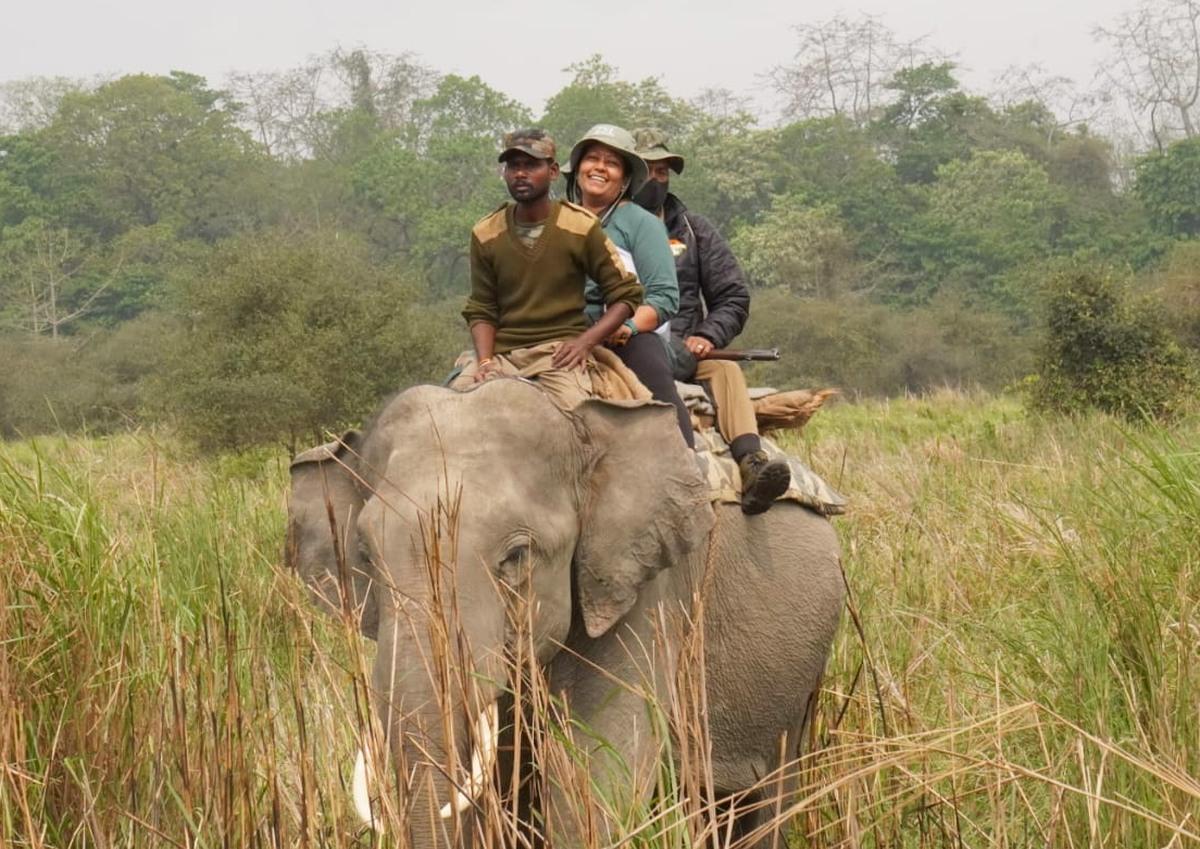
Life as a forest officer starts at Kaziranga National Park in 2002
I feel I was lucky to have got Assam cadre.
I was luckier because I was posted at Kaziranga for my training in 2002.
I felt what more could I ask for?
It was a dream posting for someone who had come to Kaziranga as a student and then coming back as somebody who was part of the management.
I will definitely say God has been kind!
Kaziranga in the early 2000s
It was more than 20 years ago. At that time, the park was still coming into terms with the rhino poaching issue.
Those were also the times when we didn't have proper infrastructure, enough vehicles or staff or mobile phones.
On top of that, there was insurgency in Assam. Because of the insurgency and militancy, the landscape was very different then.
Though the turbulent times of the 1990s were over, insurgency was still there.
Then the Godavarman case of 1996 changed the way we looked at forests. (Note: The T N Godavarman Thirumulpad vs Union of India case in the Supreme Court. The case has had wide-ranging implications on forest conservation and environmental law [external link].)
Earlier, we could cut down trees in the forests at will and sell timber. But with that one single judgment, everything stopped.
From then on, you could not look at forests as a revenue earner.
The judgment was a big paradigm shift in forest conservation in India, that forests were not for exploitation but for preservation.
It also meant the revenue from timber had gone, and you had to look at generating revenue in a different way.
So, one had to face a double challenge in Assam; coming out of insurgency and the ban on cutting down trees from the forest.
Those were the challenges I faced at that time.
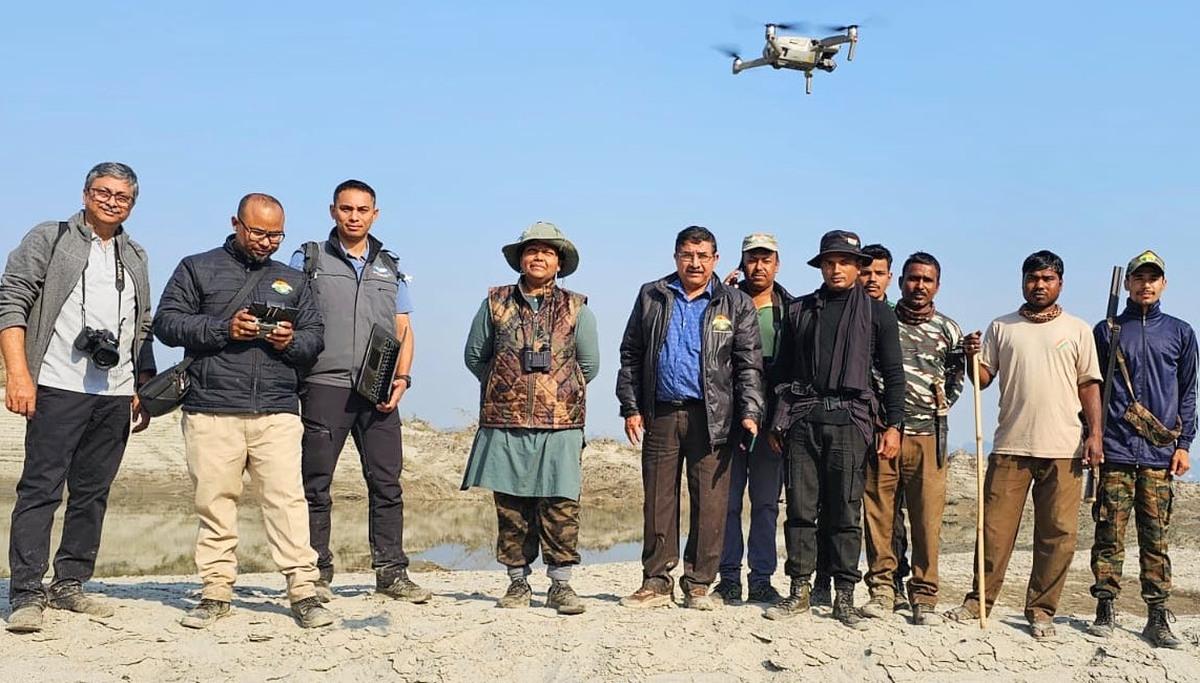
Coming back to Kaziranga after 20 years
Today, it is a golden period for Kaziranga as we have more animal density, good infrastructure and technology.
What my predecessors have fought for is bearing fruit now.
So, I consider myself lucky to be here now.
Kaziranga is the pride of Assam and rhinos are the pride of Kaziranga.
And rhino poaching was always a big challenge at Kaziranga.
There was a time when 40 rhino poaching happened in a year. If rhino poaching was the biggest challenge 20 years ago, even today poaching continues to be the biggest challenge.
But from a population of 1300 then, we have now the largest population of one-horned rhinos in the world.
We have over 3,000 rhinos, over 3,000 buffalos, over 1,200 elephants.
Field director at Kaziranga National Park where it all began
The appointment as the field director of Kaziranga was a truly humbling experience; almost as if the Almighty had given me a rare opportunity to bring together all the skills, insights, and years of field experience I had gathered over my career, and test them in one of the finest Protected Areas in the world.
Having served in Kaziranga earlier, I already had a deep familiarity with its unique landscape, rhythms, and challenges.
This prior connection gave me a meaningful head start in understanding not only the terrain but also the complexities of its ecosystem, the dedication of its frontline staff, and the trust of the local communities whose lives remain intertwined with this extraordinary natural heritage.
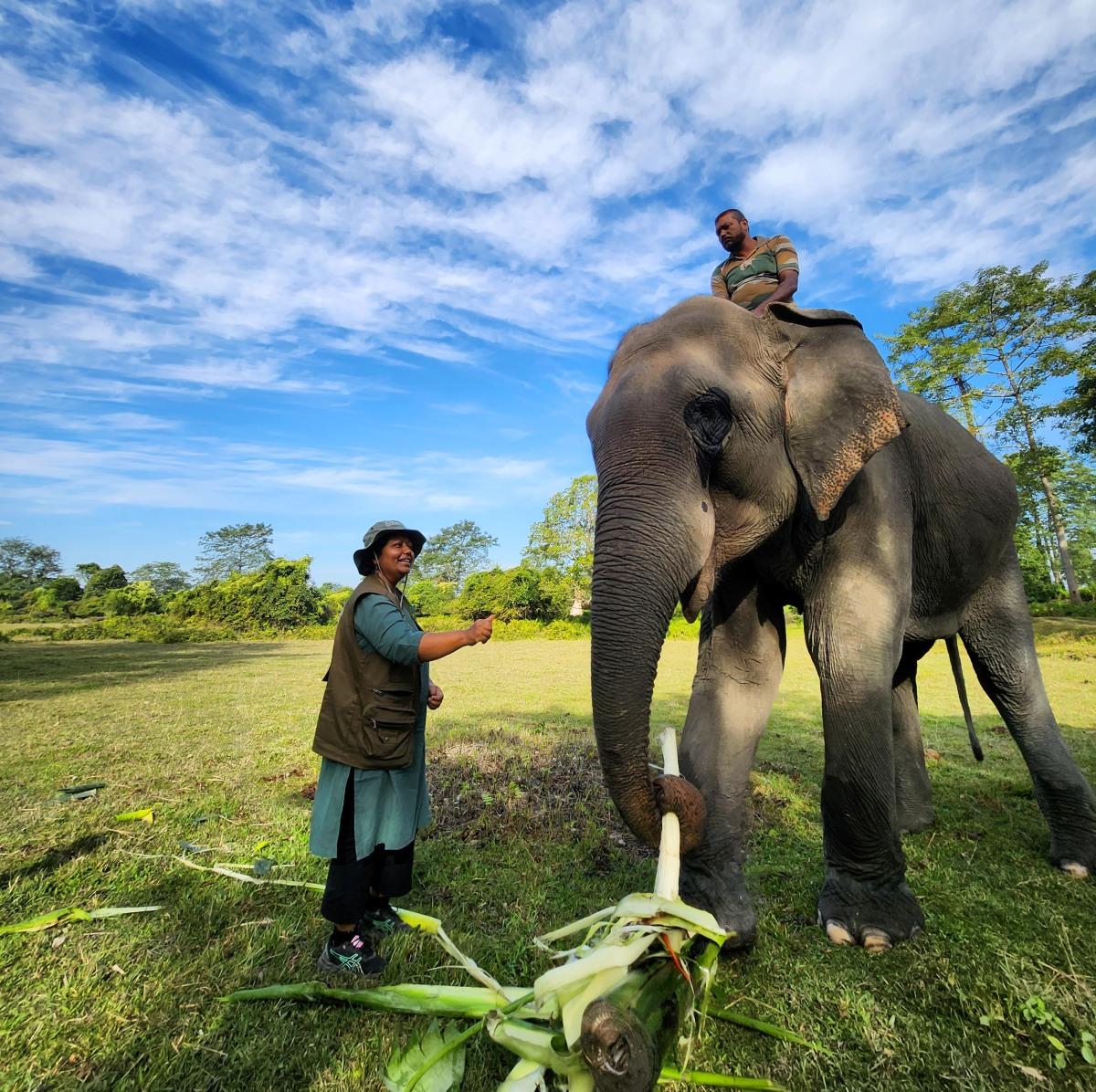
As the first woman director of Kaziranga Park
It's true that I happened to be the first woman to hold the position of Director, but I honestly never considered it a big deal at the time.
Statistically, there are fewer women officers in the service, so naturally, there have been fewer opportunities for women to reach such roles.
However, looking back, I do realise that it's not merely about numbers -- it's also about perceptions.
Women officers are often viewed through a different lens, not just in the forest service but across professions.
Comments like "This job involves extensive travel and night duties, so we'd prefer a male officer" or "She has children -- will she be able to do justice to the role?" are still quite common in our societies.
These reflect deep-rooted biases in how we tend to associate certain work profiles with gender.
Yes, I may have faced discrimination of that kind at times, but I've also seen how being a woman can be an advantage, especially in areas like community dialogue, conflict resolution, and participatory communication, where empathy and inclusive engagement matter deeply.
In many ways, women bring unique strengths to leadership roles. After all, why should we differentiate when Mother Nature herself makes no such distinction?
First Indian to win, the IUCN's Kenton Miller Award
Science-based management and staff welfare have remained my foremost priorities since taking over as Director.
My focus has been on strengthening Kaziranga's conservation foundations while also bringing the park closer to the people who protect and depend on it.
A key emphasis has been on acknowledging and formally recognising the critical role that local communities play in safeguarding this World Heritage landscape.
At the same time, I have worked to nurture a sense of awe and curiosity about nature among youth and children, encouraging them to view conservation as both a responsibility and a source of pride.
Enhancing visitor experience and service delivery has also been a major goal, ensuring that every person who travels to Kaziranga leaves with not only cherished memories but also a deeper appreciation and respect for its unique biodiversity.
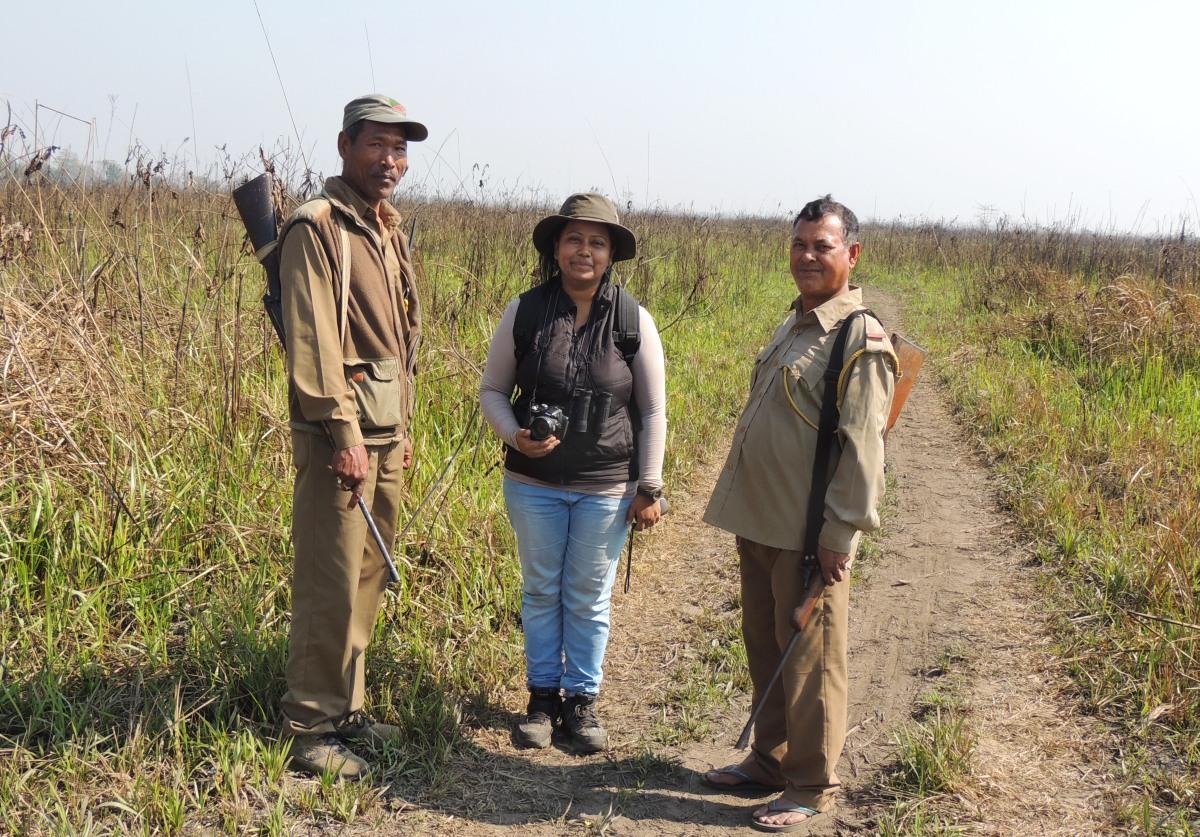
Man-animal conflict and what man should do to live in harmony with animals.
To live in harmony with animals, we must first acknowledge that they have as much right to this planet as we do.
This means adopting land-use practices that respect ecological corridors, promoting science-based mitigation measures like early warning systems and habitat restoration, and ensuring that local communities are active partners in conservation rather than passive victims of conflict.
Building empathy through education -- especially among children and youth -- and fostering community-led stewardship can go a long way in transforming conflict into coexistence.
Coexistence isn't about eliminating encounters with wildlife; it's about learning to share space responsibly and sustainably.
Message to the visitors to national parks
I would tell the visitors to enjoy our national parks responsibly.
Each visit should leave a minimal carbon footprint and a lasting sense of respect for nature.
Go local: Choose local food, homestays, and guides to experience the region's culture in a holistic way while supporting the communities who coexist with these rich ecosystems.
Remember, national parks are not just about safaris; they are living landscapes that include diverse flora, fauna, and people.
Take time to observe the birds, appreciate the plants, and simply relax in the serenity of nature.
These protected areas are places to reconnect: With the environment, and with oneself.
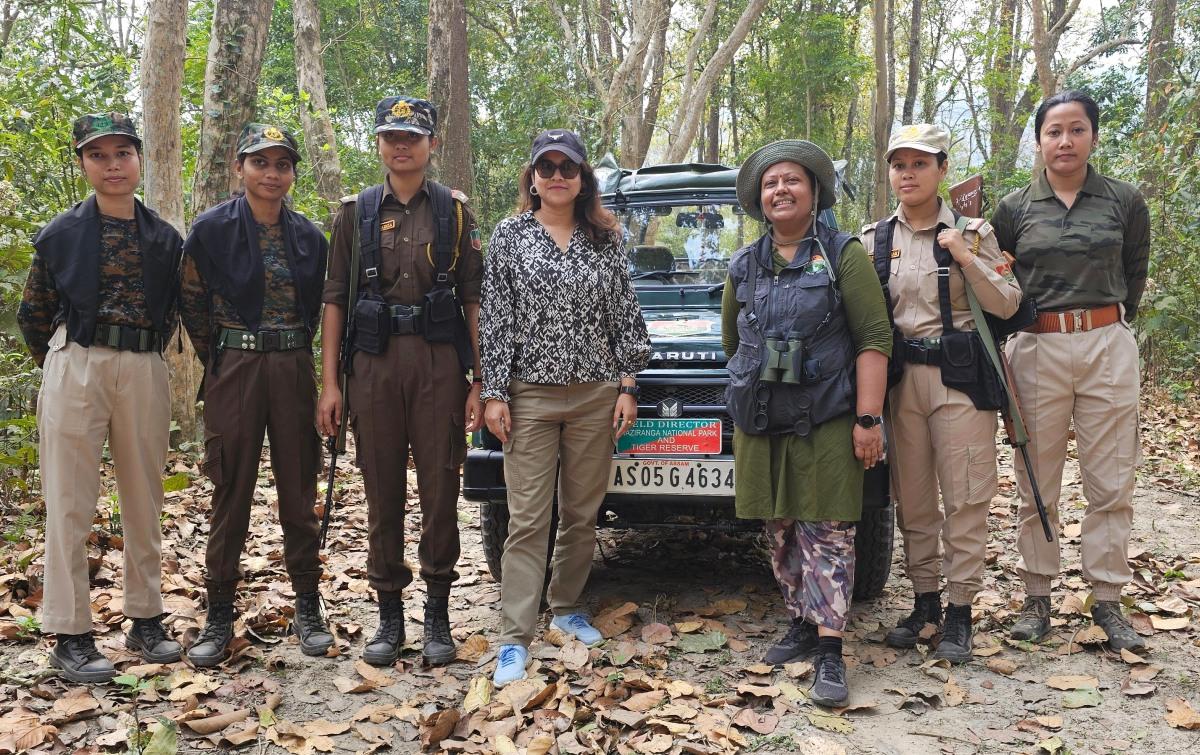
The most unforgettable moment as the forest officer
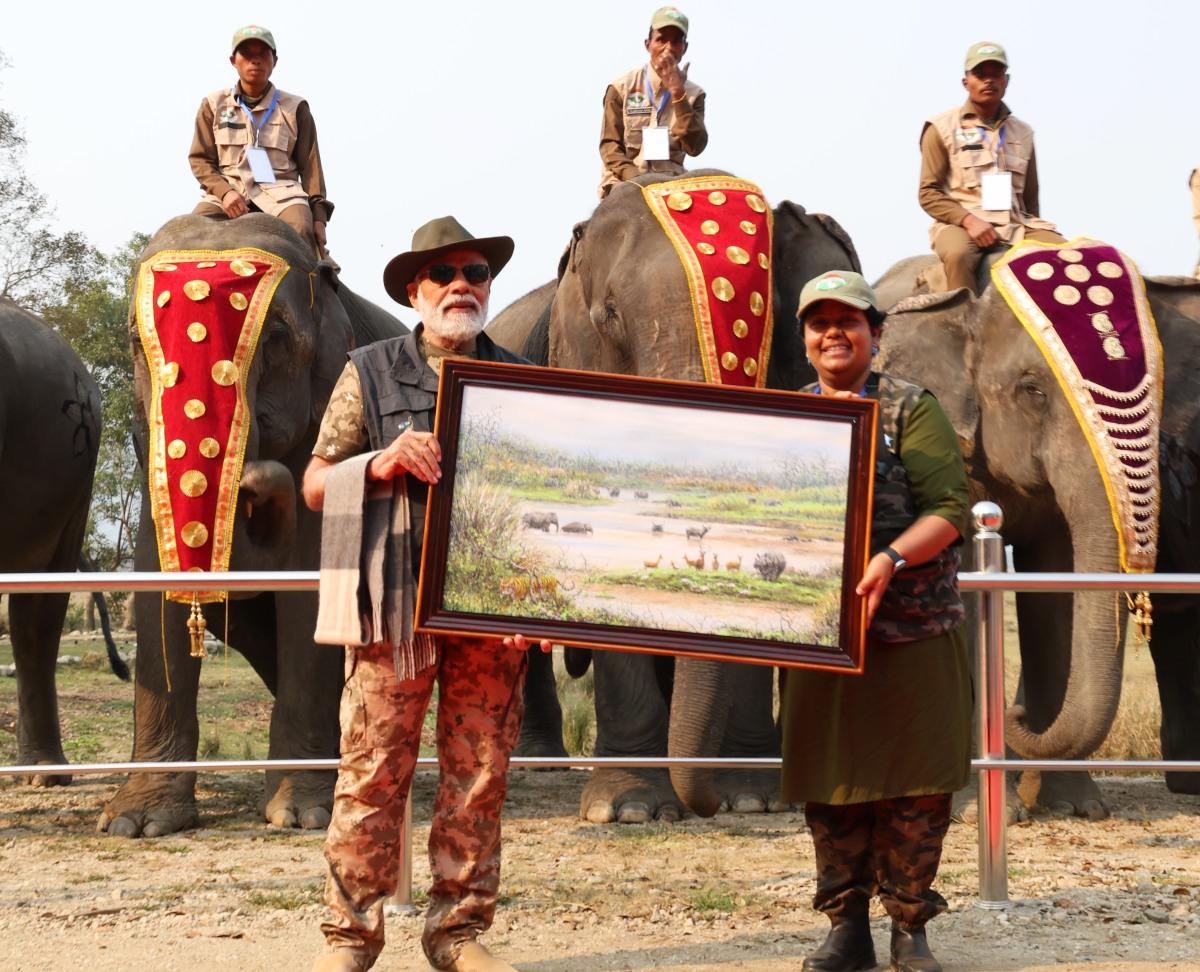
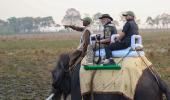
One of the most unforgettable moments of my career was hosting the Hon'ble Prime Minister on March 9, 2024.
It was an incredible privilege to spend over two hours with him in Kaziranga, showcasing the park's conservation achievements and its globally acclaimed ecosystem.
His keen observations, insightful advice, and words of appreciation for the efforts of the entire team were deeply motivating.
That interaction was not only a moment of immense pride but also a reaffirmation of how national leadership recognises and values the commitment of those working tirelessly to protect India's natural heritage.
And the most satisfying moment
Another deeply satisfying moment for me has been witnessing Kaziranga's remarkable rise on the global stage, as the third most visited national park in the country and one of the most admired wildlife destinations in the world.
What makes this achievement truly special is the love and support it has received from people, especially the local communities and the dedicated frontline forest staff.
Kaziranga's success is not just an administrative milestone; it is a collective triumph born out of shared ownership and pride.
It truly is a people's park, and every accolade it earns belongs as much to its protectors and neighbours as to the landscape itself.
Feature Presentation: Rajesh Alva/Rediff







 © 2026