

Researchers are raising concerns about the accuracy of HbA1c tests for diabetes diagnosis in South Asia, particularly in India, due to prevalent anaemia and blood disorders, urging for more comprehensive diagnostic approaches.
Key Points
- Experts caution against using HbA1c alone for diabetes diagnosis in South Asia due to high rates of anaemia and blood disorders.
- The study recommends a multi-faceted approach including oral glucose tolerance tests and self-monitoring of blood glucose for accurate diabetes management.
- High prevalence of haemoglobinopathies and G6PD deficiency in India can affect the reliability of HbA1c values.
- HbA1c levels may not accurately reflect actual blood glucose levels due to variations in red blood cell lifespan and metabolic regulation.
- The research suggests integrating clinical, biochemical, and hematologic data for improved diabetes prevention and management in South Asia.
Researchers are cautioning against relying solely on glycated haemoglobin, 'HbA1c', for diagnosing and monitoring diabetes in South Asia, especially India, as the high prevalence of anaemia and blood disorders can complicate the interpretation of values.
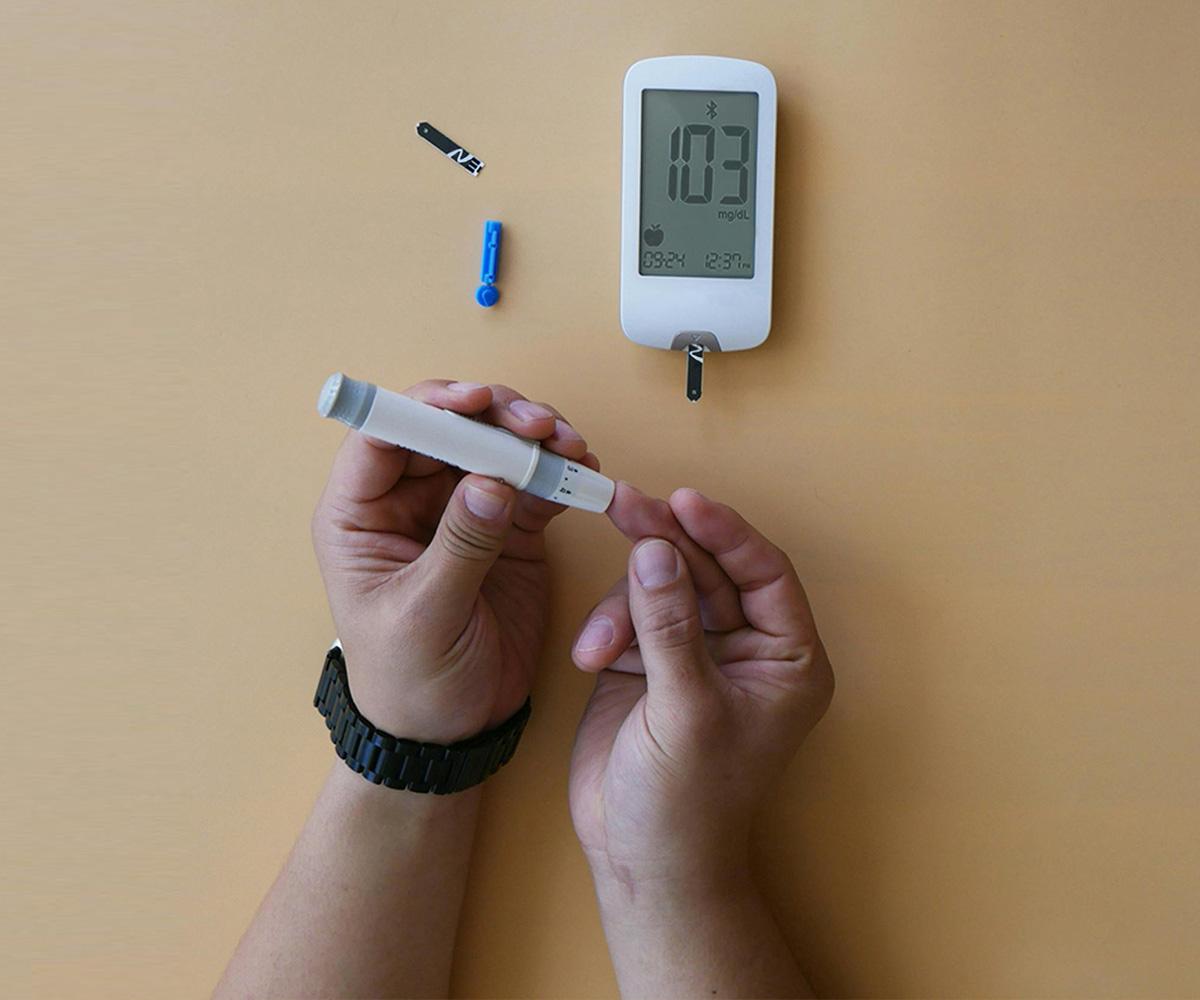
In a viewpoint article published in The Lancet Regional Health Southeast Asia journal, the authors called for an approach considering oral glucose tolerance test, self-monitoring of blood glucose, and continuous glucose monitoring, along with relevant haematologic assessments.
The team, including authors from Fortis-CDOC Centre of Excellence for Diabetes, Metabolic Diseases and Endocrinology, New Delhi, said the multiparametric approach is "essential to enhance diagnostic and monitoring accuracy and inform appropriate treatment decisions, especially in primary care and resource-limited settings."
What is glycated haemoglobin?
Glycated haemoglobin is a measure of average blood sugar levels -- extent to which haemoglobin is coated with glucose -- over previous two-three months, helping one monitor long-term glucose control.
Since 1976, when a link between glucose regulation and haemoglobin glycation was established, HbA1c has become the gold standard for measuring glycaemic control, the authors said.
Maintaining a good glycaemic control is important for preventing a substantial burden of diabetes-related complications in the Indian subcontinent, amidst an increasing number of people being affected by the metabolic disorder, they said.
Challenges with HbA1c testing in South Asia
"However, in South Asia -- particularly India -- the high prevalence of anaemia, haemoglobinopathies (genetic blood disorders), and glucose-6-phosphate dehydrogenase (G6PD) deficiency, and poorly standardised HbA1c assay methods complicates the interpretation of HbA1c values, challenging its reliability in both diagnosis and monitoring of diabetes," the authors wrote.
"Overall, reliance solely on HbA1c is constrained by several clinical and biological factors in India," the team said.
Reviewing scientific literature published during 1990-2025, the authors said despite advantages, HbA1c's utility as a diagnostic and monitoring tool has been questioned, as it may not always reflect actual blood glucose levels.
Discord found
For example, evidence from continuous glucose monitoring systems shows how average glucose levels can significantly change at any given HbA1c level -- an HbA1c of eight per cent corresponds to a mean glucose range of 155-218 milligrams per decilitre, which substantially overlaps with the range of 128-190 milligrams per decilitre for an HbA1c of seven per cent, the researchers said.
They also found a discord between average glucose estimated via fasting plasma glucose, self-monitoring or a 12-week continuous monitoring.
The data suggests that HbA1c may underestimate or overestimate one's average glucose levels, the authors said.
Multi-parametric, risk-stratified approaches needed
A key driver of the discordance comes from factors including changes in red blood cells' lifespan and one's metabolic regulation of haemoglobin glycation, they said.
Haemoglobinopathies such as sickle cell disease and thalassemia can result in falsely low or high HbA1c values through abnormal haemoglobin variants and a reduced red cell lifespan, while iron deficiency anaemia can falsely elevate HbA1c through a prolonged red blood cell lifespan, the team said.
"As India and neighbouring countries expand their diabetes prevention and management programs, diagnostic algorithms must evolve toward more multiparametric, risk-stratified approaches that integrate clinical, biochemical, and hematologic data," the authors wrote.





 © 2026