

Some products offer terrorism cover as part of the base offering while, in others, it is an optional cover.
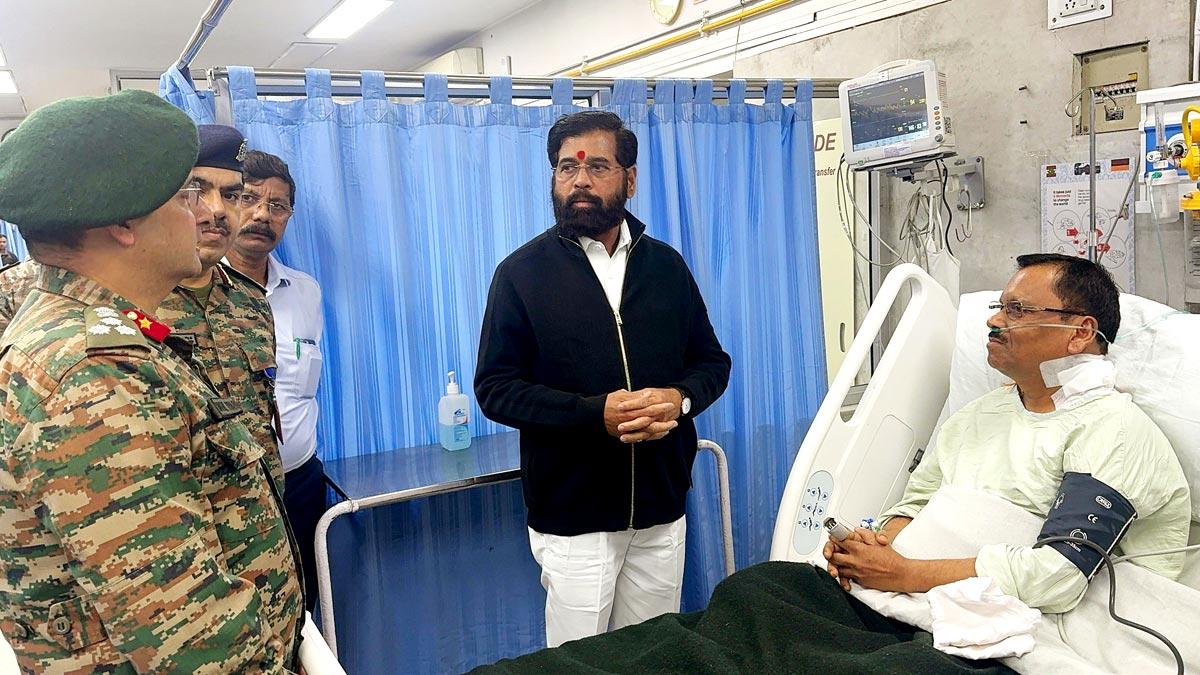
The terrorist attack in Baisaran Valley in Pahalgam, which claimed 26 lives, has once again revived the spectre of terrorism.
In light of this, individuals must purchase insurance covers to protect their life, health, homes and vehicles.
Life insurance
Life insurance policies, including term insurance plans, provide coverage for death caused by a terrorist attack.
"If a policyholder dies in such an incident, the nominee is entitled to receive the sum assured as long as the policy is active and the premiums have been paid," says Adhil Shetty, CEO, Bank-bazaar.com.
Insurers treat death resulting from a terror attack in the same manner as death due to natural or accidental causes.
Exclusions, however, apply if the insured was found to be actively participating in terrorist activities, riots, civil commotion, or any criminal activity at the time of death.
"Some policies might also exclude deaths in war zones, or from nuclear or biological attacks. But these are exceptions and not common in standard life insurance contracts," says Shetty.
He recommends buying a high sum assured, ideally 10 to 15 times one's annual income.
Buyers must disclose all relevant information truthfully, including travel history and occupational risks, to avoid claim rejection at a later stage.
Everyone with financial dependants should purchase life insurance. Individuals residing in sensitive or high-risk areas should make it a priority to buy this policy at the earliest.
Health insurance
Health insurance policies cover injuries resulting from a terrorist attack.
"The medical treatments required for these injuries are typically included in health insurance coverage. These costs fall under the hospitalisation expenses covered by standard health insurance policies. There is no need to take an add-on cover for such situations," says Bhaskar Nerurkar, head-health administration team, Bajaj Allianz General Insurance.
Travel insurance
Travel insurance policies cover medical expenses arising from injuries sustained in a terrorist attack.
"If an injury occurs during a trip within the policy period, the 'hospitalisation expenses for illness and injury' cover ensures reimbursement for necessary and immediate medical care," says Priya Deshmukh, head-health products, operations and services, ICICI Lombard General Insurance.
Standard exclusions, like injuries resulting from war, warlike operations, or civil war, apply in these policies as well.
Coverage is also not provided if the insured was involved in an act of terrorism or hijacking.
"Opt for a higher sum insured to cover costly emergency hospitalisation and possible evacuation expenses," says Deshmukh.
She advises reading the policy exclusions to avoid surprises at the time of making a claim.
Home insurance
Home insurance policies include coverage for terrorism-related damage to property and contents.
"Some products offer terrorism cover as part of the base offering, while in others it is an optional cover," says Amrish Dubey, senior vice president-personal lines, Tata AIG General Insurance.
He informs that for a residential property, the premium for terrorism coverage for a sum insured of Rs 1 crore for one year is Rs 700, excluding taxes.
Motor insurance
A comprehensive motor insurance policy provides coverage for damage to the insured vehicle occurring due to acts of terrorism.
"This coverage falls under the Own Damage (OD) section, which protects against risks like riots, strikes, malicious acts, and terrorist activities," says Subhasish Mazumder, head-motor distribution, Bajaj Allianz General Insurance.
The use of the vehicle for any unlawful activity at the time of loss may invalidate the claim.
Disclaimer: This article is meant for information purposes only. This article and information do not constitute a distribution, an endorsement, an investment advice, an offer to buy or sell or the solicitation of an offer to buy or sell any securities/schemes or any other financial products/investment products mentioned in this article to influence the opinion or behaviour of the investors/recipients.
Any use of the information/any investment and investment related decisions of the investors/recipients are at their sole discretion and risk. Any advice herein is made on a general basis and does not take into account the specific investment objectives of the specific person or group of persons. Opinions expressed herein are subject to change without notice.
Feature Presentation: Aslam Hunani/Rediff










 © 2026