
Wheat is grown on more land area than any other commercial crop and is the most important staple food for humans.
Let's take a look at the biggest wheat producing countries in the world, according to Wikipedia.
European Union
Wheat production (2010): 136.5 metric tons
Global rank: 1
World trade in wheat is greater than for all other crops combined. Globally, wheat is the leading source of vegetable protein in human food, having a higher protein content than either maize (corn) or rice, the other major cereals.
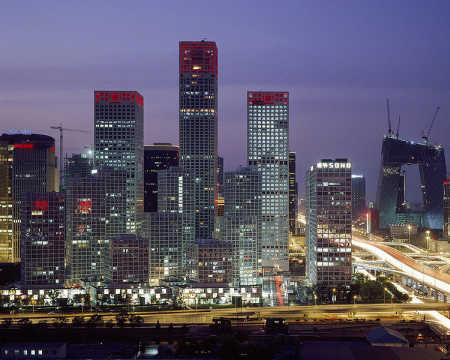
China
Wheat production (2010): 115.2 metric tons
Global rank: 2
Wheat was a key factor enabling the emergence of city-based societies at the start of civilization because it was one of the first crops that could be easily cultivated on a large scale, and had the additional advantage of yielding a harvest that provides long-term storage of food.

India
Wheat production (2010): 80.7 metric tons
Global rank: 3
In terms of total production tonnages used for food, it is currently second to rice as the main human food crop and ahead of maize, after allowing for maize's more extensive use in animal feeds.

The United States
Wheat production (2010): 60.1 metric tons
Global rank: 4
Wheat grain is a staple food used to make flour for leavened, flat and steamed breads, biscuits, cookies, cakes, breakfast cereal, pasta, noodles, couscous and for fermentation to make beer, other alcoholic beverages, or biofuel.

Russia
Wheat production (2010): 41.5 metric tons
Global rank: 5
Wheat is planted to a limited extent as a forage crop for livestock, and its straw can be used as a construction material for roofing thatch. The whole grain can be milled to leave just the endosperm for white flour.

France
Wheat production (2010): 38.2 metric tons
Global rank: 6
Harvested wheat grain that enters trade is classified according to grain properties for the purposes of the commodities market.
Wheat buyers use these to decide which wheat to buy, as each class has special uses, and producers use them to decide which classes of wheat will be most profitable to cultivate.
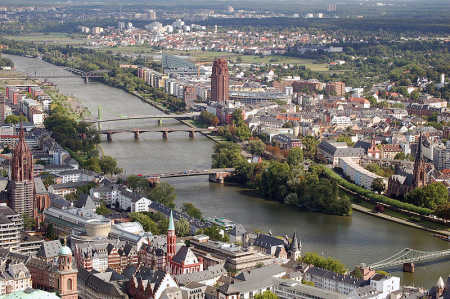
Germany
Wheat production (2010): 24.1 metric tons
Global rank: 7
Wheat is widely cultivated as a cash crop because it produces a good yield per unit area, grows well in a temperate climate even with a moderately short growing season, and yields a versatile, high-quality flour that is widely used in baking.
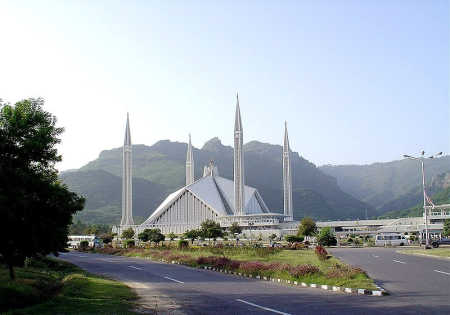
Pakistan
Wheat production (2010): 23.3 metric tons
Global rank: 8
Most breads are made with wheat flour, including many breads named for the other grains they contain like most rye and oat breads.
The popularity of foods made from wheat flour creates a large demand for the grain, even in economies with significant food surpluses.

Canada
Wheat production (2010): 23.2 metric tons
Global rank: 9
In recent years, low international wheat prices have often encouraged farmers in the US to change to more profitable crops.

Australia
Wheat production (2010): 22.1 metric tons
Global rank: 10
Other drivers affecting wheat prices include the movement to bio fuels and rising incomes in developing countries.

Turkey
Wheat production (2010): 19.7 metric tons
Global rank: 11
In 1997, global wheat consumption was 101 kg per capita, with the highest consumption (623 kg per capita) in Denmark, but most of this (81 per cent) was for animal feed.
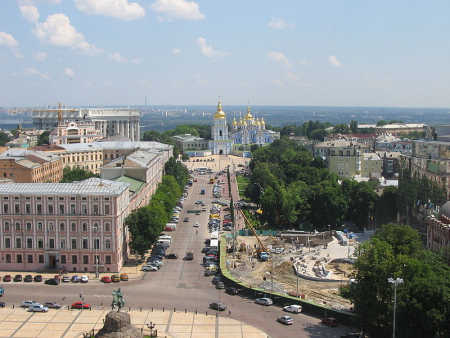
Ukraine
Wheat production (2010): 16.9 metric tons
Global rank: 12
Wheat is the primary food staple in North Africa and the Middle East, and is growing in popularity in Asia. Unlike rice, wheat production is more widespread globally though China's share is almost one-sixth of the world.
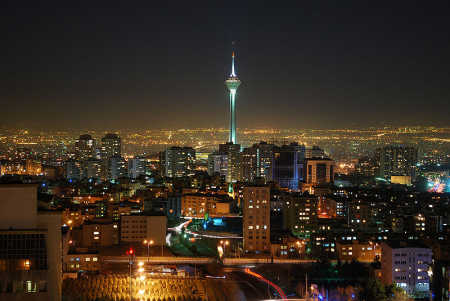
Iran
Wheat production (2010): 15.0 metric tons
Global rank: 13
In the 20th century, global wheat output expanded by about five-fold, but until about 1955 most of this reflected increases in wheat crop area, with lesser (about 20 per cent) increases in crop yields per unit area.

Argentina
Wheat production (2010): 14.9 metric tons
Global rank: 14
After 1955 however, there was a dramatic 10-fold increase in the rate of wheat yield improvement per year, and this became the major factor allowing global wheat production to increase.

The United Kingdom
Wheat production (2010): 14.9 metric tons
Global rank: 15
Wheat futures are traded on the Chicago Board of Trade, Kansas City Board of Trade, and Minneapolis Grain Exchange, and have delivery dates in March, May, July, September, and December.

Kazakhstan
Wheat production (2010): 9.6 metric tons
Global rank: 16
There are substantial differences in wheat farming, trading, policy, sector growth and wheat uses in different regions of the world.

Poland
Wheat production (2010): 9.5 metric tons
Global rank: 17
In the EU and Canada, for instance, there is significant addition of wheat to animal feeds, but less so in the US.
...
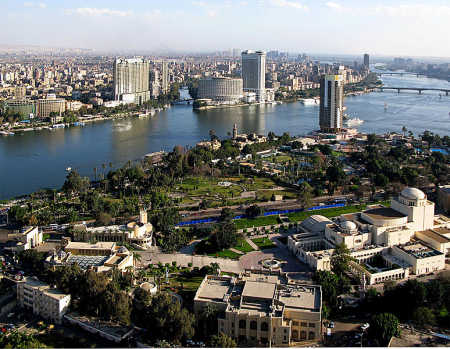
Egypt
Wheat production (2010): 7.2 metric tons
Global rank: 18
In the rapidly developing countries of Asia, westernization of diets associated with increasing prosperity is leading to growth in per capita demand for wheat at the expense of the other food staples.
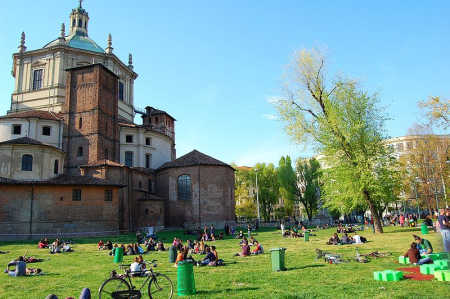
Italy
Wheat production (2010): 6.9 metric tons
Global rank: 19
In the past, there has been significant governmental intervention in wheat markets, such as price supports in the US and farm payments in the EU.
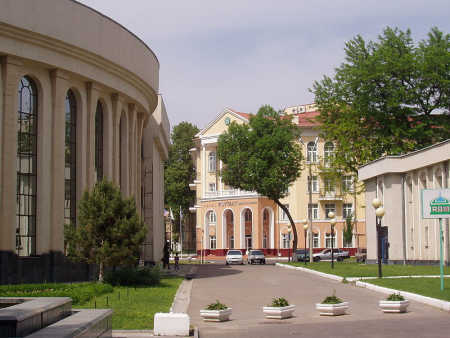
Uzbekistan
Wheat production (2010): 6.7 metric tons
Global rank: 20
In the EU these subsidies have encouraged heavy use of fertilizers inputs with resulting high crop yields. In Australia and Argentina direct government subsidies are much lower.

Brazil
Wheat production (2010): 6.0 metric tons
Global rank: 21
The average world farm yield for wheat was 3.1 tonnes per hectare, in 2010.
Netherlands wheat farms were the most productive in 2010, with a nationwide average of 8.9 tonnes per hectare. Belgium was a close second.
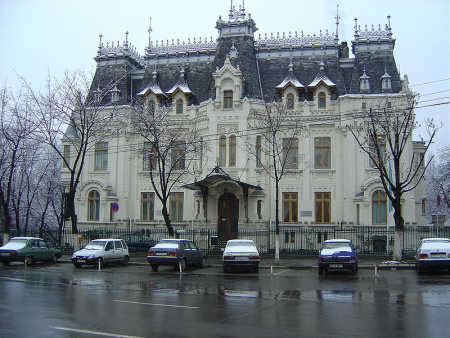
Romania
Wheat production (2010): 5.8 metric tons
Global rank: 22
Various regions of the world hold wheat production yield contests every year. Yields above 12 tonnes per hectare are routinely achieved in many parts of the world.

Spain
Wheat production (2010): 5.6 metric tons
Global rank: 23
Wheat normally needs between 110 and 130 days between planting and harvest, depending upon climate, seed type, and soil conditions (winter wheat lies dormant during a winter freeze).

Denmark
Wheat production (2010): 5.1 metric tons
Global rank: 24
Optimal crop management requires that the farmer have a detailed understanding of each stage of development in the growing plants.
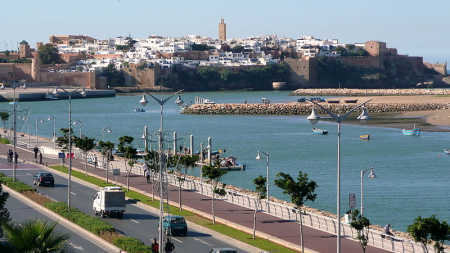
Morocco
Wheat production (2010): 4.9 metric tons
Global rank: 25
Knowledge of stages is also important to identify periods of higher risk from the climate.
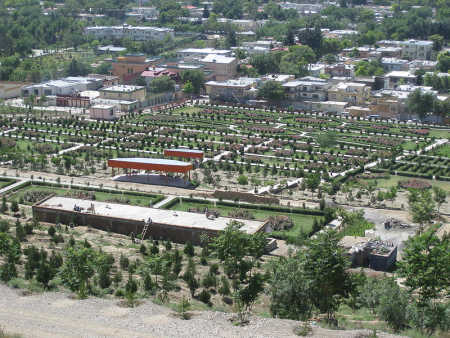
Afghanistan
Wheat production (2010): 4.5 metric tons
Global rank: 26
Several factors are currently slowing the rate of global expansion of wheat production.

Czech Republic
Wheat production (2010): 4.2 metric tons
Global rank: 27
In 2007 there was a dramatic rise in the price of wheat due to freezes and flooding in the northern hemisphere and a drought in Australia.
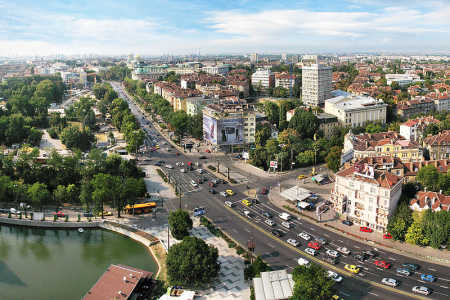
Bulgaria
Wheat production (2010): 4.0 metric tons
Global rank: 28
Wheat futures in September, 2007 for December and March delivery had risen above $9.00 a bushel, prices never seen before. There were complaints in Italy about the high price of pasta.

Hungary
Wheat production (2010): 3.8 metric tons
Global rank: 29
Wheat futures in September, 2007 for December and March delivery had risen above $9.00 a bushel, prices never seen before. There were complaints in Italy about the high price of pasta.

Mexico
Wheat production (2010): 3.7 metric tons
Global rank: 30
This followed a wider trend of escalating food prices around the globe, driven in part by climatic conditions such as drought in Australia.
 © 2026 Rediff.com - Advertise with us - Disclaimer - Privacy Policy - Feedback - About us - Terms of use - Grievances