
While a giant, it's a nimble-footed one, and is growing at a speed that even some of its private sector peers find enviable.
Between FY18 and FY24, it doubled its balance sheet.
Despite being a late entrant in some segments, it has been able to grab market share, observes Tamal Bandyopadhyay.
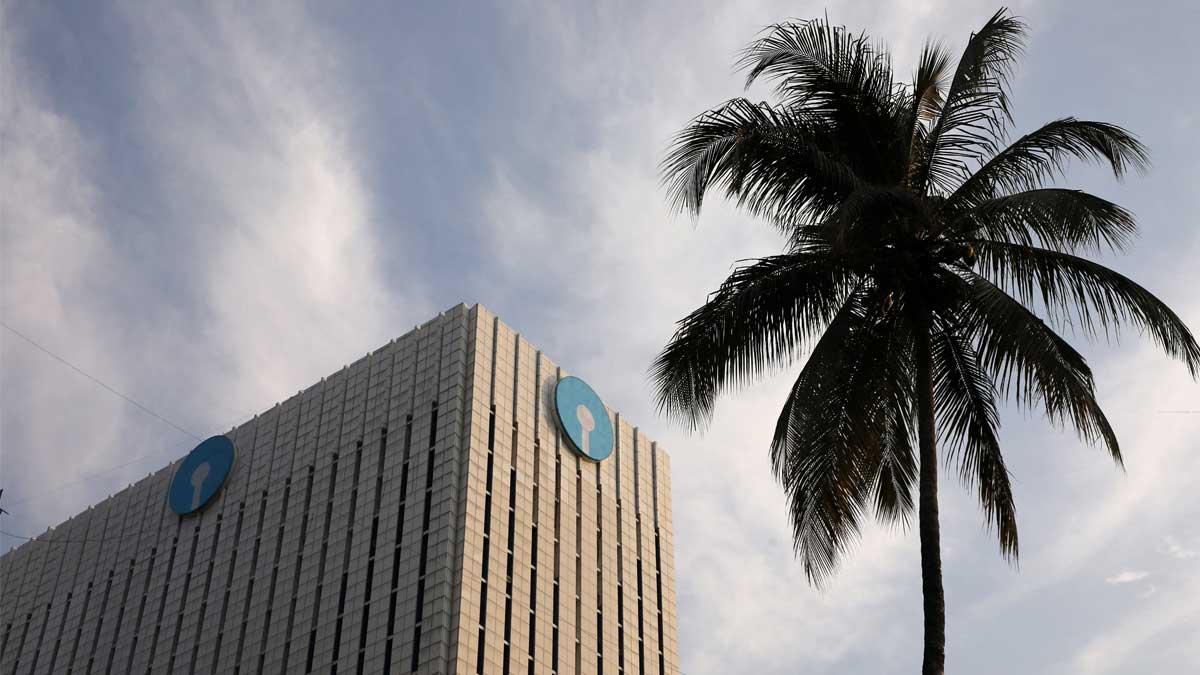
On Tuesday, July 1, the nation's largest lender, the State Bank of India, turned 70. Happy Birthday, SBI.
The roots of SBI lie in the first decade of the 19th century, when the Bank of Calcutta (later renamed the Bank of Bengal) was set up in June 1806.
Its current avatar is the result of the conversion of the Imperial Bank of India, following recommendation of the All-India Credit Survey Committee, via the State Bank of India Act, 1955.
The mandate was to extend banking facilities to unbanked regions and serve the credit needs of rural India.
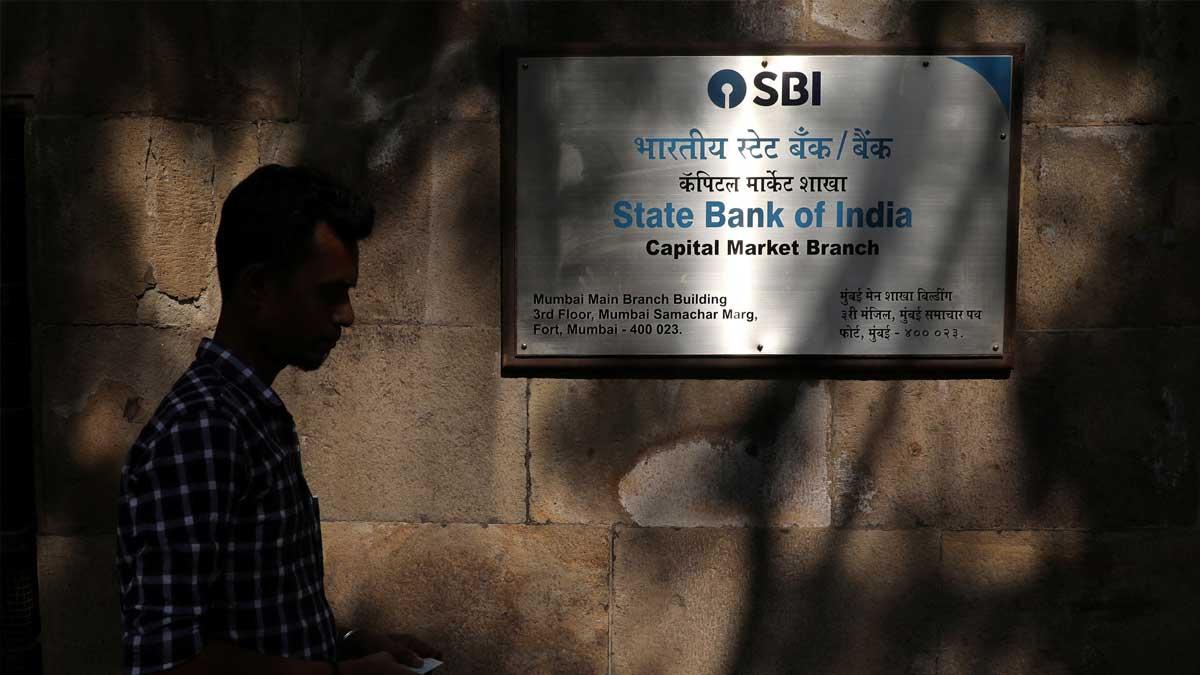
A July 1, 1955 press release of the bank reads: '... our policy, as always, will be guided by this ideal -- to further your interests and those of the entire nation, now and [in] the years to come.'
The chairman's message to the shareholders, in its latest annual report, reiterates its commitment to customers, describing it as a bank of choice -- yesterday, today and tomorrow.
A proxy for the Indian economy, and the only Indian bank among the top 50 global banks by assets, SBI is the banker for one out of every three Indians.
With a consolidated net profit of Rs 77,561 crore (Rs 775.61 billion) in 2024-2025, it's also among the top 100 global corporations in terms of annual earnings.
It's the third Indian company to enter this league after ONGC Ltd and Reliance Industries.

Let's revisit its journey from 1955 to 2025.
On June 30, 1955, the last day of the Imperial Bank, it had Rs 210.94 crore (Rs 2.1094 billion) of deposits and Rs 116.24 crore (Rs 1.1624 billion) credit. The size of the Indian economy at the time was Rs 10,977 crore (Rs 109.77 billion).
By March 2025, India's GDP has risen 3,000 times -- Rs 330.68 trillion. During this period, SBI's deposit portfolio has grown 25,000 times, to Rs 53.82 trillion, and advances, 35,800 times, to Rs 41.63 trillion. All figures are rounded off.
In the past 70 years, the bank's income has risen from Rs 8.50 crore (Rs 85 million) to Rs 5.24 trillion, and profit, from Rs 1.36 crore (Rs 13.6 million) to Rs 70,901 crore (Rs 709.01 billion) . In 1955, it had paid Rs 90 lakh (Rs 9 million) as dividend; for FY25, the figure is Rs 14,190 crore (Rs 141.90 billion).
The number of employees, too, has risen -- from 14,388 to 236,226; profit per employee has grown from Rs 90,000 to Rs 2,991,000, and branches from 469 to 22,397.
You will find its floating ATMs on Dal Lake in Srinagar and on the jetties of Ernakulam and Vypeen in Kerala.
It also has ATMs at Khardung La in Ladakh, the world's highest motorable mountain pass, at an altitude of 18,379 feet, and at Nathu La on the India-China border in Sikkim, at about 14,140 feet.
Meanwhile, its presence overseas has risen from eight to 244 offices.
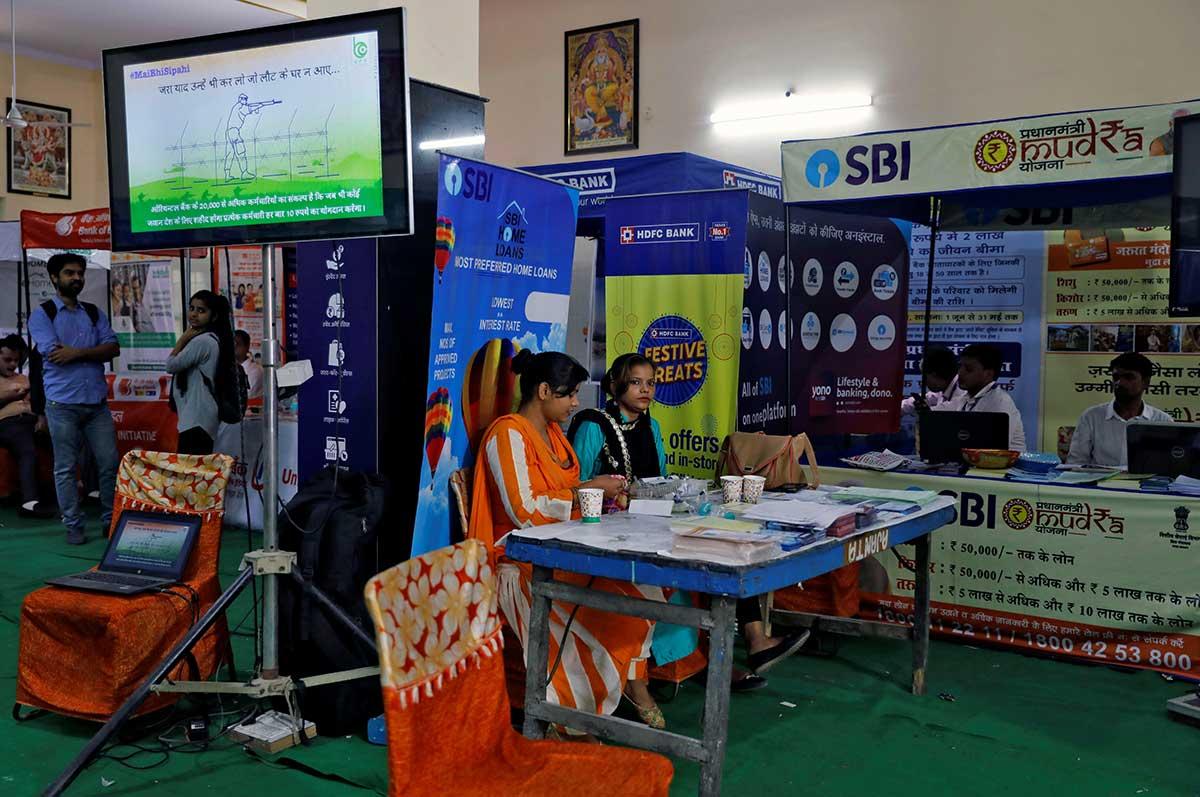
The SBI has the largest mutual fund under its belt; boasts the second-largest credit card portfolio; and its life insurance arm is among the largest in the private sector. Two of its 18 subsidiaries are listed.
On an investment of Rs 6,200 crore (Rs 62 billion), the current valuation of the subsidiaries is at least Rs 3.5 trillion.
Its share in bank deposits is 22.5 per cent and credit, 19.5 per cent.
In different business segments, such as retail loans, home loans, et al, its market share varies between 20 and 30 per cent.
And its share in the Pradhan Mantri Jan Dhan Yojana, the world's largest financial inclusion scheme, is around 30 per cent.
As of June 18, 2025, there are 556 million PMJDY accounts, more than one-thirds of which are in rural and semi-urban areas.
Describing SBI as a proxy for the Indian economy isn't an exaggeration. It has been playing this role.
In 1992, at the thick of the balance of payment crisis, the bank raised $1.6 billion through India development bonds. This was repeated in 1998.
When international sanctions were imposed on India following the Pokhran nuclear test, the SBI raised $4.3 billion through Resurgent India Bonds.
There are many firsts to its credit. For instance, in 1962, during the India-China war, SBI formulated special credit schemes for the small and medium enterprises in the defence sector.
It is the first bank in India to set up a merchant banking division -- in 1973.
And, in 1987, it set up a mutual fund after the government opened up the sector -- the first after the Unit Trust of India (which came into being in 1963).
The theme that runs through its 70-year life is the bank's willingness to change in sync with time.
Who says elephants can't dance? Its digital platform, YONO (short for 'You Only Need One'), is a testimony to this.
It is transforming SBI from a lifecycle bank to a lifestyle bank, which goes beyond meeting the credit needs of its customers.
Launched in November 2017, YONO is a digital marketplace for its customers. The objective was to attract millennials with a comprehensive app for both financial and lifestyle needs.
Not only are over 90 per cent of the bank's transactions happening digitally but a large share of new business, cross-selling, and fee-based products are also distributed through digital channels.
Given the way it is hyper-personaling banking services, we can say SBI is running a digital bank within a brick-and-mortar structure.
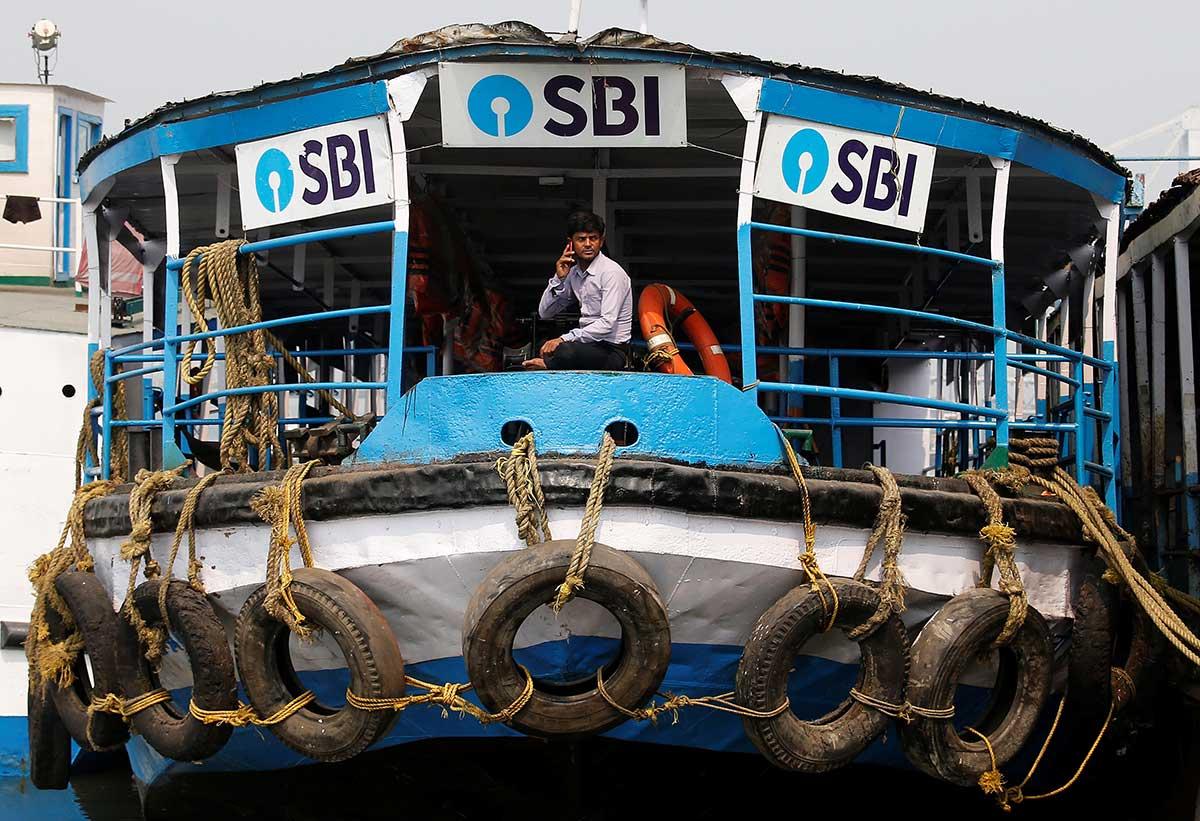
While a giant, it's a nimble-footed one, and is growing at a speed that even some of its private sector peers find enviable.
Between FY18 and FY24, it has doubled its balance sheet. Despite being a late entrant in some segments of the business, it has been able to grab market share.
For instance, with a Rs 15.06 trillion retail book, it has at least 25 per cent market share. Ditto for home loans.
While it entered the mortgage business late, with a Rs 8.3 trillion mortgage book, it is now breathing down the neck of HDFC Bank Ltd, which holds the portfolio of HDFC Ltd following the merger of the home lender with it.
Banking is all about three Ps: Products, processes and people. The fiercely competitive industry has been evolving continuously.
One cannot hold on to the uniqueness of products and processes since they can be hijacked by competition.
People, or employees, are the most important resource to run a bank well and move ahead.
Here, SBI takes the cake. It's the blood bank of the Indian banking industry.
In 1994, when India opened up the banking sector, most of the new private banks were led by bankers from SBI.
Currently, at least five private banks -- both old and new -- are run by former SBItes. And then there are former SBI executives with various financial regulators.
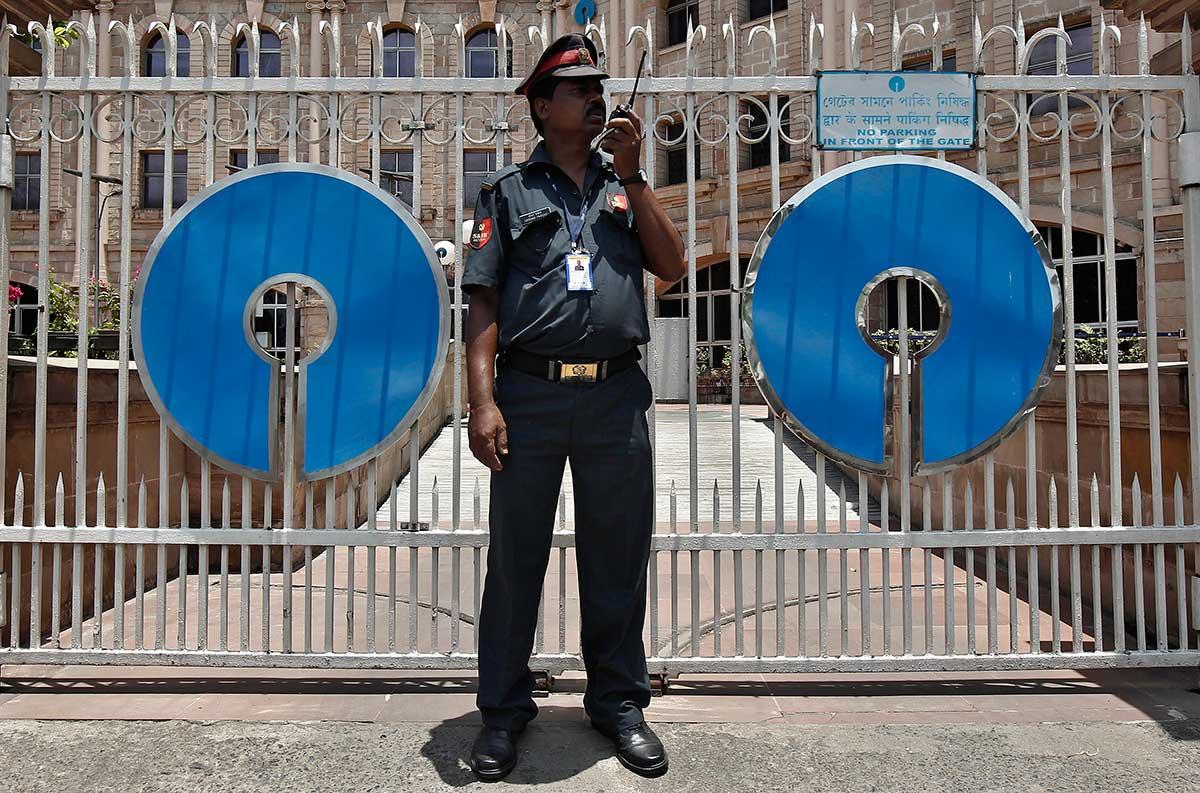
Of course, there are areas where the bank needs to buckle up. Mobilisation of current accounts is one of them.
With the flow of government funds drying up fast, it needs to attract zero-cost current accounts from corporations to lower the cost of funds.
It also needs to improve the cost-to-income ratio, which is currently higher than that of large private banks. There are more such pockets.
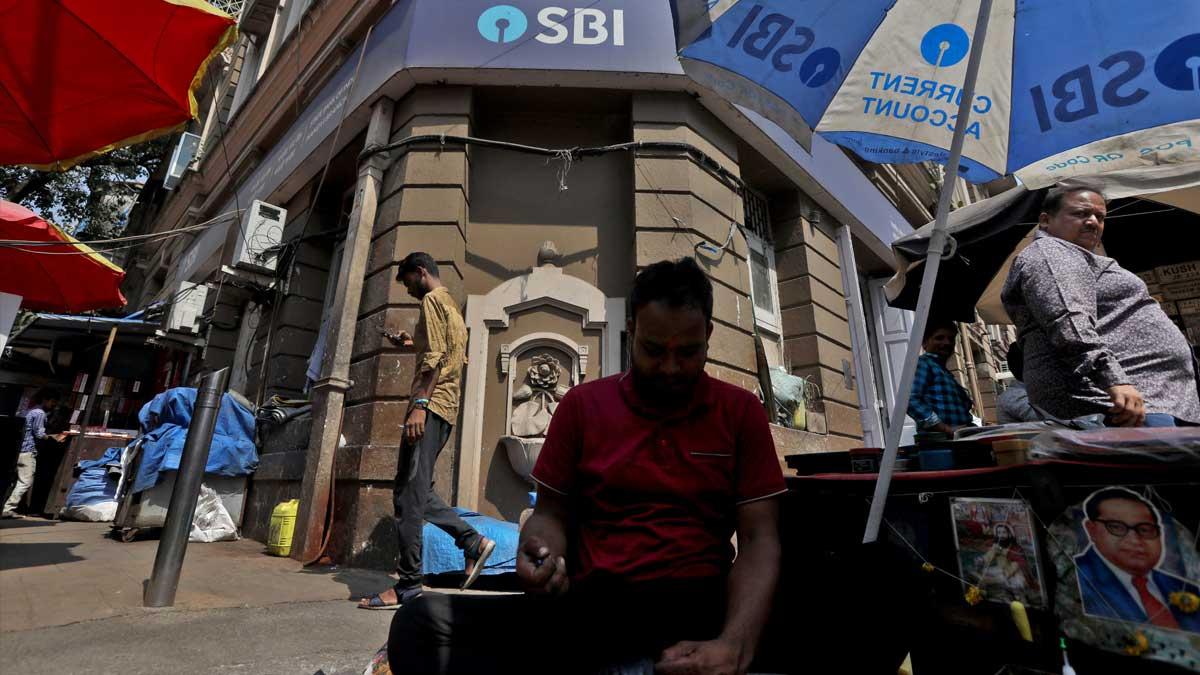
Many moons ago, when SBI was in its 40s, I met a cobbler in the Mumbai monsoon outside the main gate of the bank's headquarters on Madame Cama Road in Mumbai.
He polished the shoes of many SBI executives. Had he ever entered an SBI branch? No, he said; he was scared since he was shabbily clothed and could not speak English.
Today, SBI has an exposure of close to Rs 20 crore (Rs 200 million) ninvolving at least 2,200 cobblers across 21 states under the PM Vishwakarma scheme. It also gives small loans to barbers in rural India.
It has had many haircuts in the past decade for big loans going bad, but currently, its net bad loans are just 0.47 per cent of the loan book. Let's hope it remains healthy. That's my birthday wish.
Feature Presentation: Ashish Narsale/Rediff











 © 2025