
Barely 45.45 per cent of South Koreans achieve the recommended nightly rest, highlighting a growing wellness concern. Data from PlushCare places South Korea and several nations in the Middle East among seven nations where people consistently fall short of the expert-advised 8-9 hours of sleep each night, reflecting how modern routines are reshaping global rest patterns.

India and Vietnam are vying with each other to woo semiconductor companies to their country. With the tension between the US and China escalating, and Taiwan getting vulnerable both countries are trying to present themselves as alternative destinations for global players. Vietnam, which started the effort as early as 2010, has got a leg-up after US President Joe Biden's visit last month.
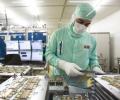
Mumbai-based Indian Semiconductor Manufacturing Company (ISMC) and Singapore-headquartered IGSS Ventures have one strategy in common: They have told the government in their application for semiconductor fabrication plants that they will export the bulk of the chips they make in India in the initial five or 10 years. The third applicant, Vedanta-Foxconn, which is also building a fab plant, has said it will concentrate on the needs of consumer electronics and mobile device markets, and earmark 80 per cent of output for domestic consumption, but has not specified its customers. Finding a viable domestic market could well be the biggest challenge for India's renewed tryst with semiconductors. Fab plants do not sell directly to end users but to intermediary chip design companies - such as Qualcomm or MediaTek.


The regional fallout could continue.
 © 2026 Rediff.com - Advertise with us - Disclaimer - Privacy Policy - Sitemap - Feedback - About us - Terms of use - Grievances