
A last ditch effort by the ruling Labour Party to have an alliance with kingmaker Liberal Democrats failed on Tuesday, paving the way for a Conservative Party led government in Britan the UK.
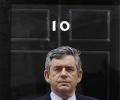
British Premier Gordon Brown, whose Labour lost to the Tories in general election, on Friday appeared to be not conceding defeat and would like to discuss with the Liberal Democrats the chance of the two parties coming together to form a government, if power-sharing talks between the Conservatives and Lib Dems fail.
The Tories and Liberal Democrats worked overtime to reach consensus on thorny issues blocking the formation of the first coalition government in Britain since World War II, with the hard bargain over make or break issues running into the third day.

The Tories and Liberal Democrats edged closer to a deal on coalition formation that might result in Conservative Party leader David Cameron enter Downing Street, even as reports emerged that United Kingdom Premier Gordon Brown had launched a last-minute bid to woo kingmaker Nick Clegg. Cameron appeared confident of winning Lib Dem leader Clegg's support after continued negotiations on Sunday night for a belt-tightening economic plan.
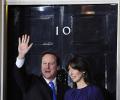
Conservative leader David Cameron took over as Britain's new Prime Minister on Tuesday after Queen Elizabeth II invited him to form the new government following the resignation of incumbent Gordon Brown.
Newly re-elected British Prime Minister David Cameron is working out his first one-party Cabinet made up of Conservative party MPs without any Liberal Democrat coalition considerations of the past.

The flip-flop by the government has led senior British Indian MP Keith Vaz to revive his demand that the government end all confusion over the issue.

United Kingdom will go to the polls on Thursday. This election is being dubbed the most unpredictable of all time.

May now faces the final and biggest hurdle of getting the deal approved by the UK Parliament where many MPs from her own party remain vehemently opposed to it.
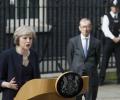
There will be a House of Commons vote on Wednesday on the proposed election and May will need Parliament's backing to hold a vote before 2020.
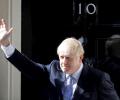
Johnson becomes the 14th Prime Minister to be appointed by Queen Elizabeth II, the 55th to hold the post of British PM and the third in fairly quick succession since Britain voted to leave the EU in June 2016 - following on from David Cameron and Theresa May.

Rediff.com, present to you a dummy's guide to the historic vote that could shape British-EU ties for generations.

Two whole weeks after he landed on his feet in unfamiliar territory, Patrick Ward records what it is to be a parachute journalist in the chaos called India
 © 2026 Rediff.com - Advertise with us - Disclaimer - Privacy Policy - Sitemap - Feedback - About us - Terms of use - Grievances