
The famed Darjeeling tea may have slip to a new production low in 2025, as changing weather patterns, a shortage of pluckers and mounting economic stress weigh on the region's gardens.

Competition from Nepalese teas -- which has duty free access to the Indian market -- has emerged as a lower-cost alternative to Darjeeling tea, challenging its viability.

For Luxmi, the Brew Tea deal ticks key boxes in its strategy, mainly, focusing on quality and branding.
In the last three years, 20 gardens have changed hands, and 90 per cent of the buyers are from non-tea background.
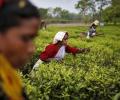
The quality of Indian tea had lately come under scrutiny in major export markets, due to the presence of pesticides and chemicals beyond permissible limits.

Production cost in Africa varies between $1 and $2 a kg while in Assam it is $1.9 and in West Bengal over $2

Tea estates across Assam and West Bengal, which were hitherto closed owing to the lockdown, opened in April.
The root of the problem, according to industry officials, is the sudden stoppage of lines of credit to tea plantation companies.
The tea industry, hit by rising costs, falling prices and political unrest in the North Bengal plantations, is especially vulnerable to the COVID-19 lockdown.

The company had appointed a three-member committee of directors to implement the changes.

Indices reversed all its losses during late trades.

Sensex ended strong, Tata Steel, HUL climb higher.

Index heavyweights Reliance Industries, HDFC and Infosys were the top Sensex gainers.
 © 2026 Rediff.com - Advertise with us - Disclaimer - Privacy Policy - Sitemap - Feedback - About us - Terms of use - Grievances