
After four failed reform drives, a new plan aims to rescue India's debt-laden power discoms through privatisation, accountability and long-term financial fixes.
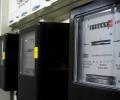
NB-IoT provides cellular-based connectivity with wide coverage and low power consumption, making it ideal for large-scale smart metering deployments.
The Cabinet Committee on Economic Affairs (CCEA) on Wednesday approved a five-year-long reform-based result-linked power distribution scheme worth Rs 3.03 lakh crore, for strengthening system of utilities to improve efficiency. Briefing after the CCEA meet here, Power and New & Renewable Energy Minister R K Singh said, "We have done a lot for power distribution reforms. It needs to be strengthened. Today, the Cabinet has approved the new scheme worth Rs 3.03 lakh crore, including Rs 97,000 crore central outlay." He said the funds would be given to power distribution companies (discoms) to strengthen their system.
The power ministry is planning to start a second version of UDAY, aimed only at reducing the losses of discoms and improving the quality of power supply.

India suffers from peak power deficit of three per cent.

And it has to be done in less than 200 days!

The agenda for the year 2020 is well laid out -- launch of UDAY 2.0, installation of smart pre-paid metres, prompt payment by discoms, making coal available for short term and reviving gas based plants. But, it has to ensure effective implementation of various policy tweaks done so far.

Of the 170 million rural households in the country, a government website claims to have connected 82 per cent of them. The metered households are 50 per cent of the total. As on February, 2018, of the 780,000 villages to be intensively electrified or provide connection to all in households, 493,000 have been covered. However, the amount and quality of the power supply cannot be ascertained from this data. No clause in any of the rural electrification programmes promises 24 hours' power supply.
The private discoms that join the scheme would only benefit in terms of operational efficiency and there will not be any financial bailout

A digital economy can only work with uninterrupted electricity supply. So, states now face the unpleasant task of telling their citizens that electricity rates need to be hiked. Subhomoy Bhattacharjee reports.
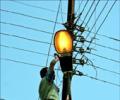
Power plant load factors are at historic lows of around 60 per cent.
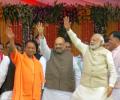
The BJP's manifesto for UP elections promised many things. But, given the state's precarious financial position, fulfilling these promises is likely to prove tricky, says Ishan Bakshi.
 © 2026 Rediff.com - Advertise with us - Disclaimer - Privacy Policy - Sitemap - Feedback - About us - Terms of use - Grievances