
'Revolving credit without full repayment causes interest to outpace repayment capacity, and leads to financial distress.'

Paying only minimum amount due on your outstanding credit card balance? You are just made for credit card companies!
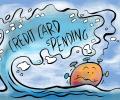
The Reserve Bank of India's (RBI) new rules for credit and debit cards came into effect from October 1. These include tokenisation, one-time password (OTP) for activation after 30 days, written permission for enhancement of credit limit, and greater clarity on interest calculation.

The Reserve Bank has asked banks not to levy any late payment penalty on credit card customers till 3 days after due date.
Have you reached a stage where you cannot even pay minimum amount due? You need some smart help to get that debt burden off you.

Paying just minimum amount due? Closed your oldest credit card? Have never accessed your CIBIL report? You could be in trouble :(
Here are some simple tips that can save you a great deal of money and reduce financial stress.
In an online chat with Get Ahead readers on April 20 Kunnath Santosh of Perfios gave tips to readers on how they can become smart credit card users.
Unfortunately not everyone is aware of the pitfalls of owning a credit card.
Confused while reading your credit card bills? Here's help.
We cut through the technical jargon and help you understand your credit card bill.
You need to think of the costs and prepayment charges before taking one but it is better than revolving credit on your card.

Many would have racked up debt this Diwali, using credit cards and consumer loans. Here are a few simple steps on how to fix your financial mess, says Bindisha Sarang.

If you are panic-stricken because of your inability to repay even your minimum amount due on your credit card, help is at hand.

If the credit card is not used judiciously, it can cause havoc with one's personal finances, warns Sarbajeet K Sen.

If allowed to go unchecked, this addiction can wreck you financially as well as emotionally.

It all begins with a little overspending on the credit card, and before you know it, you find yourself being sucked into a debt trap. You may think you have a debt pay off plan, but think again!

Bharti Airtel has paid Rs 11,374.7 cr while upfront amount due from it was Rs 7,832.20 cr

Follow these if you want to enjoy credit happiness and easy access to finance in the New Year by maintaining a healthy credit report and high credit score

The more you know about using a new credit card, the more you reap!

Read on to understand the pros and cons of higher credit limit

If you do not overspend, we advise you to get yourself a credit card. It will open up a whole new world of benefits.

Keep in mind interest rate, tenure and additional charges if you exceed credit card limit

Here's how to get out of this situation without hurting your CIBIL score.

We hope this information can help you save and trigger more money saving ideas in your mind.
If banks won't lend, seek a loan from fintech lenders or P2P platforms to help you get out of a debt trap.

In an online chat with readers on October 14, Anil Rego answered their credit card queries.

If you are the owner of multiple credit cards, here are some dos and don'ts you need to know about credit card management.

While it is a convenient mode of payment, it is not an efficient way of borrowing. Repay your dues fully every month if you decide to use it

Too much unsecured loan can harm your CIBIL rating.

Just like optimum blood pressure, sugar and the likes are the measure of your physical health, a good CIBIL score is a measure of your financial health and you must do the needful to keep your CIBIL score at a satisfactory level.

Often, individuals are offered credit cards with great schemes directly by the bank.

There is no such thing as 'free' credit cards. Most of the charges associated with your card are not even told upfront to you. Knowing about these various fees and charges will put you in good stead and help you use your card prudently.

It is absolutely difficult to retain a healthy credit report if you have a history that shows your inability to cover up debts and repay loans regularly.
 © 2026 Rediff.com - Investor Information - Advertise with us - Disclaimer - Privacy Policy - Sitemap - Feedback - About us - Terms of use - Grievances