
Lieutenant General Shakti Gurung deserves to be complimented in telling his life story and that of his people, as subaltern communities within this vast and diverse nation of ours clamour for recognition and a plea for their voices to be heard and their aspirations to be met, notes Lieutenant General Gautam Moorthy.
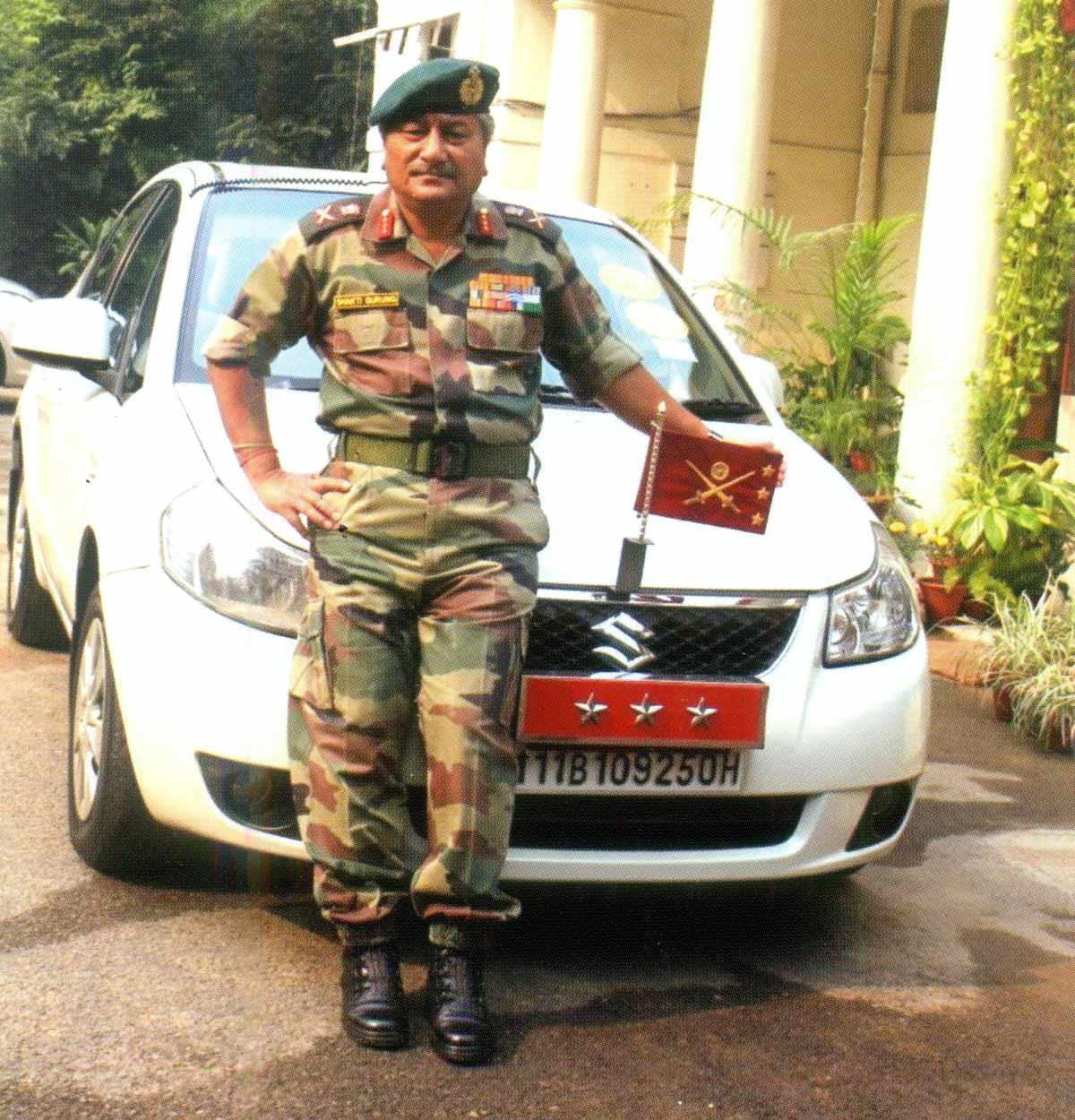
Disclaimer: The author is a friend and course mate.
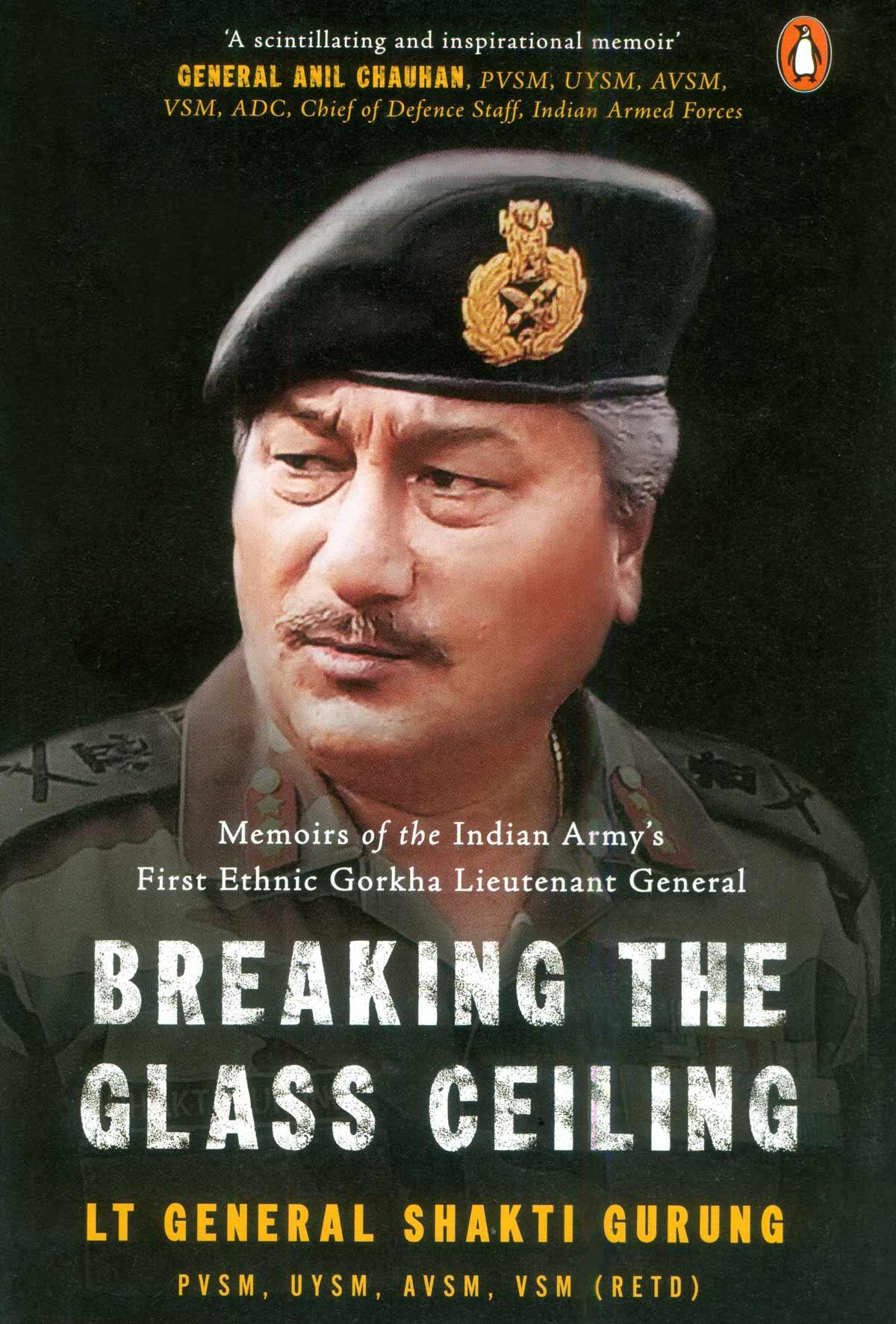
Breaking the Glass Ceiling: Memoirs of the Indian Army's First Ethnic Gorkha Lieutenant General begins with a hard hitting stereotypical statement -- Gorkhas could be led but cannot lead.
General Shakti Gurung then goes on in his own measured style to bust this tired cliche perpetuated by the British that regrettably continues to dominate the discourse when discussing the Gorkhas and their contribution as citizens of India.
Very few know that when India's independence was on the cards, the British sought to retain the Andaman and Nicobar islands as a base or at least have some control over them through a defence agreement.
The author refers to a meeting between Pandit Nehru and Field Marshal Viscount Montgomery in which the latter suggested pulling out of all the Gorkha regiments of the Indian Army along with the complete withdrawal of British troops from India.
Nehru put his foot down, insisting on retaining the island chain as well as all the Gorkha regiments and a disappointed Montgomery had to return to England empty handed.
Subsequently, a compromise was reached with Lord Mountbatten stepping in and both sides agreeing to only four Gorkha regiments moving out under the British army while six would be retained by India.
The book goes on to tell the history of the Gorkhas in a very engaging fashion through the conversations that the general's father has with the young Shakti about the trials and tribulations of his people.
When his father is called away to Malaysia by the British to set up a school, Shakti and his brother join them initially but later on they join Cambrian Hall, a boarding school set up by a Gorkha colonel with connection to the royals for children of Gorkhas.
He writes about his formative years in the school, the learning, the love and affection he received from the teachers and how it shaped him.
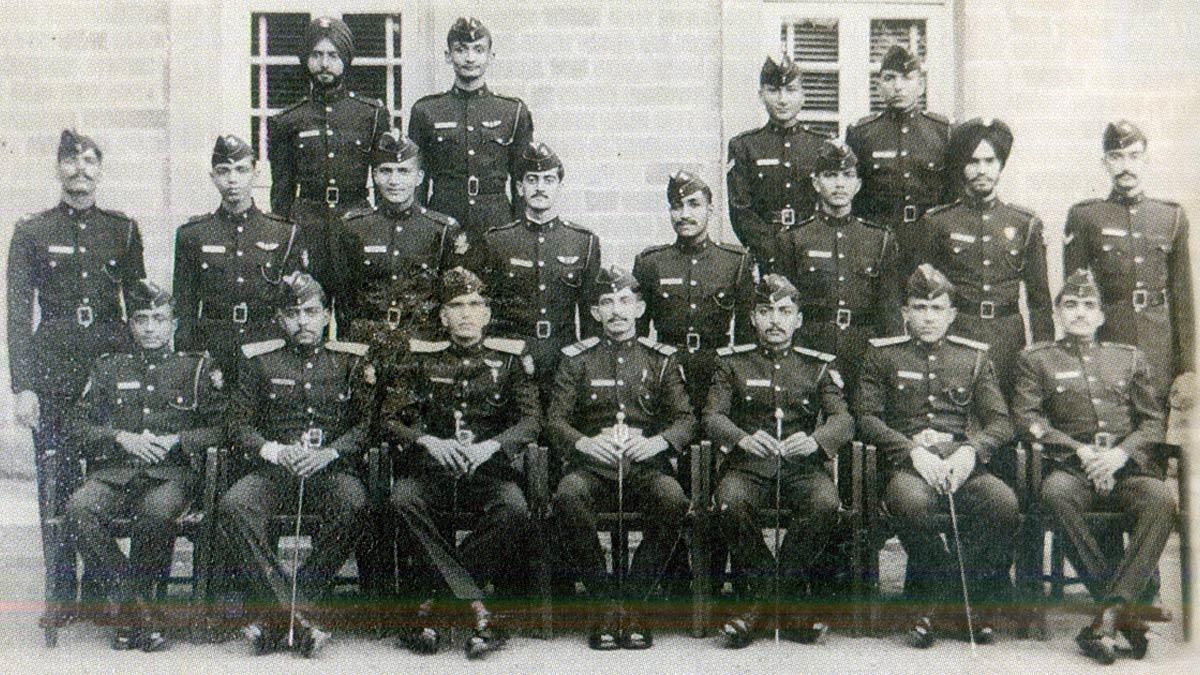
The next chapter dwells on the pre-commission training he underwent at the NDA and IMA and about his life there.
Readers who have passed out from these two great military institutions will be able to relate to his experiences.
The chapter also contains good advice for youngsters who are planning to take the UPSC examination in the form of a bullet point wise aide-memoire.
It concludes with his commissioning as an officer. Again, very helpfully he puts forth his thoughts on what attributes one needs to develop and hone to be a good officer.
In fact, right through the book, the author put out simple and eminently do-able aide-memoires.
Chapter 5 of the book is titled Life as an Officer and as the title suggests, it covers not only his early days but right up to the time that he is promoted to Colonel and in command of his battalion.
He writes about his Regiment the Grenadiers, how they got this unusual name and his experiences as a young officer in 15 Grenadiers.
He writes about the courses of instruction that he undergoes, performing exceptionally well in all of them, about his tenure as an instructor in the Infantry School, about his short stint with the NSG and more importantly how he prepared for the entrance examination for the defining course of his career at the Defence Services Staff College at Wellington, Nilgiris, Tamil Nadu.
After the course, having again performed very well, he gets posted as a Brigade Major of an Infantry Brigade which is a non-supervisory appointment directly under a Brigadier, responsible for operations and associated duties.
Here too he provides useful aide-memoirs for officers planning to appear for the DSSC entrance examination as well as one for what it takes to be a good staff officer.
The pinnacle of military leadership is the command of troops; it is the goal that every officer aspires to reach.
With this quote and with the appropriately title for the chapter The Litmus Test, Shakti lists out the challenges he faced in command of his battalion in a completely unfamiliar area in counter insurgency operations, how he led the battalion to many successful operations against militants and concludes the chapter with saying that his efforts and his leadership were recognised by his selection for the Higher Command Course at the Army War College Mhow, that only a few are fortunate enough to undergo.
Having known the author for 54 years, I can confidently say that Shakti has a penchant for giving out his best in any responsibility he takes on.
This was very evident as he writes about his tenure as India's Defence Advisor to Myanmar, a very prestigious appointment where not only does one's professional knowledge comes to the fore but also one's social and diplomatic skills.
He delves into the history of Myanmar and explains why the present situation has come about.
This chapter is a great primer for those budding Defence Advisors and those already in that appointment.
As India's Defence Advisor, he took great pains to study and understand the nuances of this job and needless to say, he contributed to India's cause in a most noteworthy manner as is evident from the book reviews of the former ambassadors he served under.
In this chapter, he delves into the geopolitical environment that India finds itself in and also does a fair bit of crystal gazing.
He ends the chapter with recommendations on the attributes a Defence Advisor ought to possess.
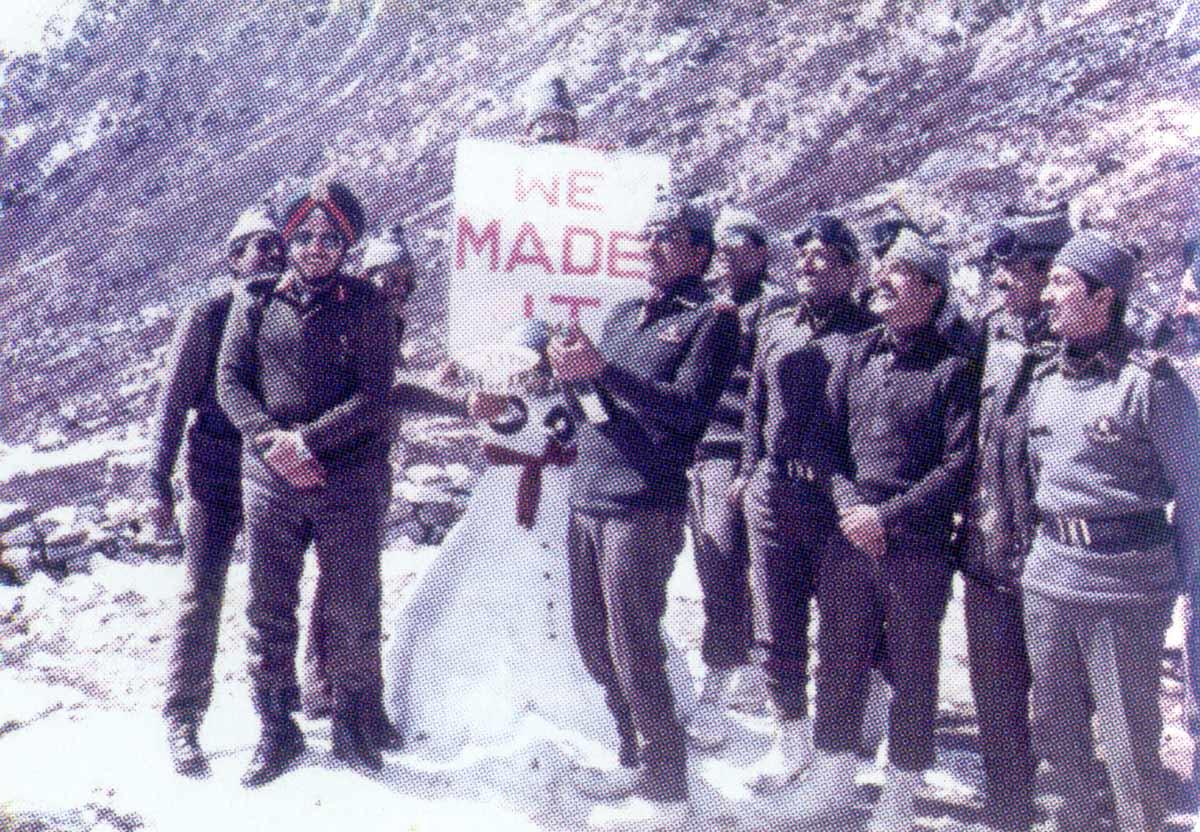
After his successful stint in Myanmar, Shakti proceeds on promotion to command a Brigade in the Kashmir Valley along the Line of Control, a very challenging appointment which encompasses not only in preventing infiltration of terrorists but also carrying out counter insurgency and counter terrorism tasks.
Peppered with anecdotes, Shakti narrates the trials and tribulations that men fighting this insidious form of warfare have to undergo.
That he has empathy not only for his troops but also for the ordinary civilian caught up in the cycle of violence forced upon them by a ruthless enemy, comes out strongly in this chapter.
Using an iron fist in a velvet glove is easier said than done.
Getting selected to undergo the year long course at the National Defence College was only a natural progression for him.
Importantly, after the course, he was posted as Secretary to the Chiefs of Staff Committee, an appointment that gave him a ringside view of how higher decision making takes place.
This would stand him in good stead in his future career as a General Officer.
Command of a Division in the North East followed. His formation was deeply involved in fighting counter insurgency.
The command of his Battalion and the command of his Brigade in such operations turned out to be invaluable experiences for him to rely on while commanding his Division.
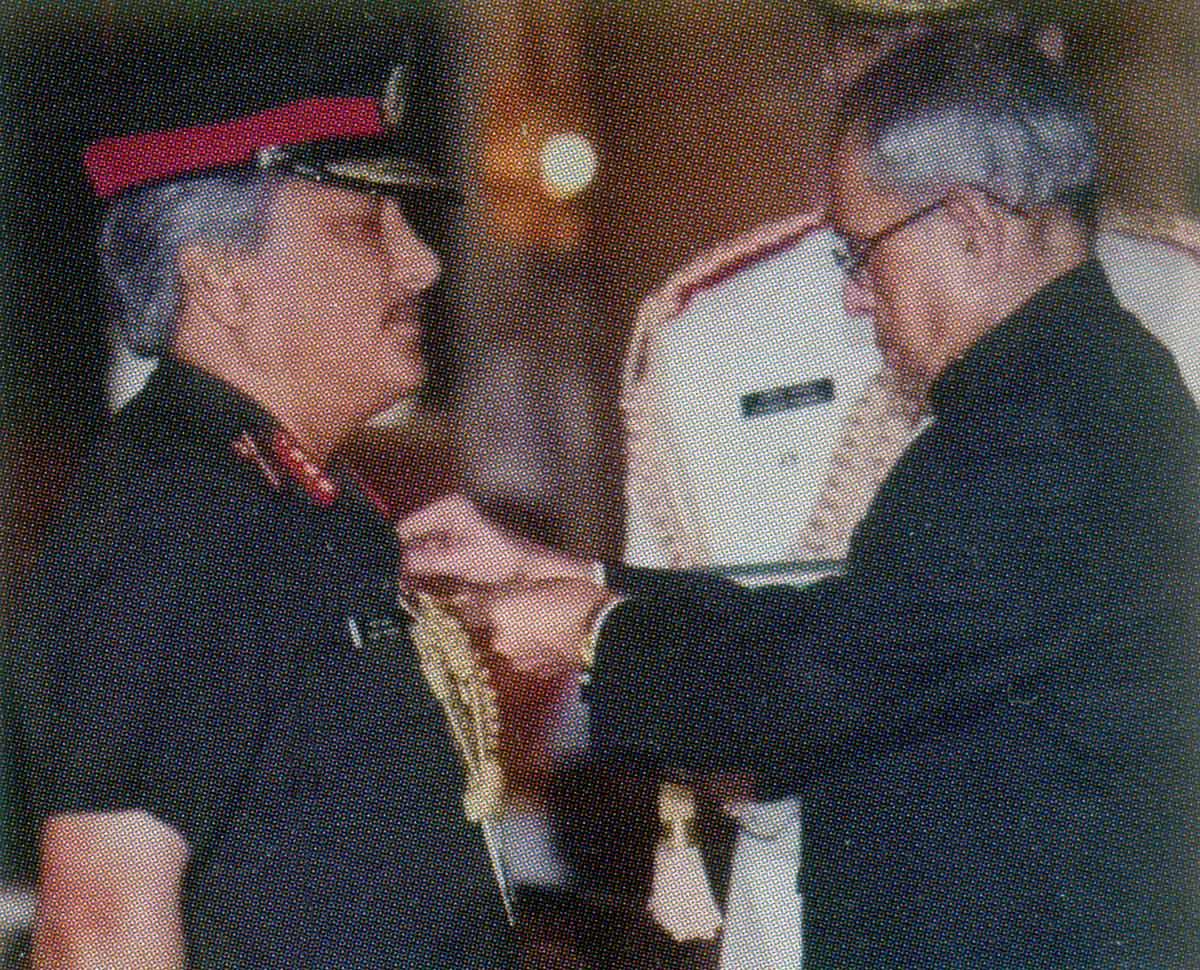
His formation notched many successes and won many awards and citations with Shakti himself being awarded the Vishist Seva Medal for distinguished service in this milieu.
Arguably, this is the most important chapter in the book not only for policy makers but also for all Indians.
General Gurung brings out the complexities of operating in Manipur and adjoining states where operations are conducted not only against the Manipur valley based insurgents but also against other insurgent groups.
The tasks also involved guarding the 1,650 km long porous border with Myanmar along with other formations.
He goes on to share his views on the removal of AFSPA, land and police reforms required in the North East and the way forward.
It is important for all to realise the basic truism that a stable, prosperous and well integrated North East is perhaps the most important driver to a Viksit Bharat 2047.
He concludes this chapter by sharing with the readers some useful lessons he learnt there.
He also draws up a roadmap to solve the vexed Manipur crisis. Our policy makers would do well to adopt these suggestions.
After a brief stint as Additional Military Secretary, Shakti went on to command a Corps, again in the North East, but this time opposite China.
Here, again with a firm grasp of the geopolitical environment he was operating in, he explains how India's Act East policy panned out and what more needs to be done.
Not shying away from discussing India's vulnerabilities and our Tibet policy, he again makes some very useful suggestions for policy makers and concludes the chapter with an aide-memoire for attributes of senior leadership.
In his last tenure, Shakti is appointed as Military Secretary, an appointment that oversees the planning of careers of officers, their postings and their promotions; in short, every aspect of an officer's aspirations are handled by this branch.
He takes pains to explain how the system functions, the difficulties faced by officers, those planning their careers and how to address these with sensitivity while at the same time upholding the organisational ethos and goals.
He was awarded the Param Vishist Seva Medal for his role as the Military Secretary at Army HQ.
For many officers in service, this chapter would be an eye opener and they would do well to read this book since the former Military Secretary explains the intricacies of how the system functions and what may be expected from it.
The book concludes with the author dwelling on India's relationship with Nepal, the identity crisis a Gorkha faces, what he and his very accomplished wife Madhu have given back to society and what they have done for the community in Dehra Dun and beyond.
The author deserves to be complimented in telling his life story and that of his people, as subaltern communities within this vast and diverse nation of ours clamour for recognition and a plea for their voices to be heard and their aspirations to be met.
Lieutenant General Gautam Moorthy, PVSM, AVSM, VSM (retd) is the former Director General Ordnance Services and former Member Armed Forces Tribunal.
He is presently the Founder and Managing Director of The Current and Strategic Affairs Forum, an online think-tank.
Photographs curated by Anant Salvi/Rediff
Feature Presentation: Aslam Hunani/Rediff








 © 2025