
For Malegaon's Muslims, Rahul Gandhi's remarks were simply one more indication that the party they once supported no longer cares for them, notes Jyoti Punwani.
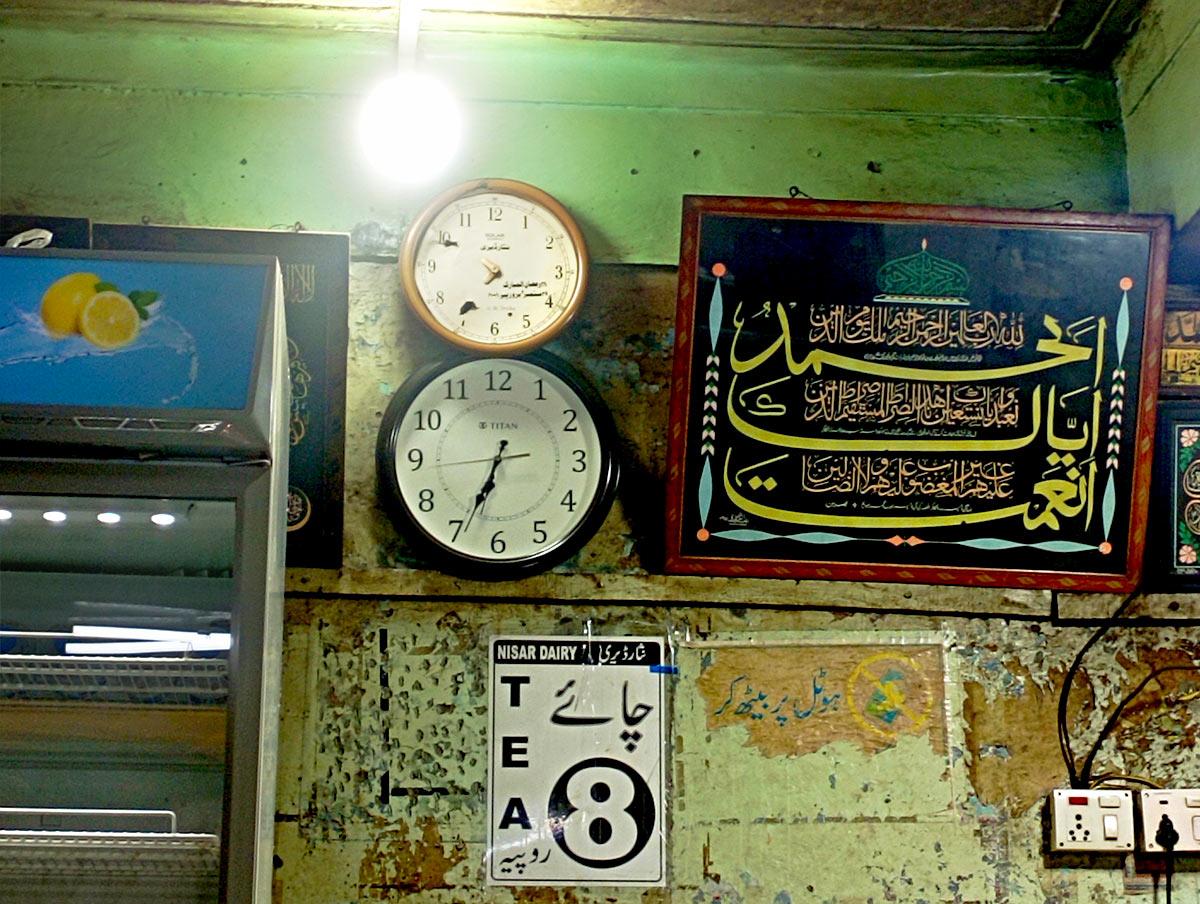
On 11.30 am on July 31, the long awaited judgment on the 2008 Malegaon bomb blast was finally pronounced. All the accused had been acquitted.
Then started the gloating on television channels, with news anchors and BJP leaders outdoing each other in celebrating the 'victory of Hindutva' and slamming the Congress for its 'conspiracy' in 'concocting' the 'false narrative' of 'saffron terror'.
Congress leader Digvijaya Singh, who had in 2011, accused the RSS of running 'bomb factories' was interviewed; he gave a sheepish answer about terror having no religion.
When the media finally caught up with Rahul Gandhi, viewers waited to see what he would say. Alas, the man who's often been described (wrongly) as the only politician who criticises the RSS (Rahul faces defamation cases by RSS workers), dismissed the question as 'digressing the issue'.
He then went on to hector the media, as is his habit. 'You people don't see (the main issue) (how the government is running this country into the ground). You want to talk about other issues,' he scolded them.
Rahul Gandhi's answer was a slap in the face not only of the six families who lost their loved ones in the 2008 Malegaon blast, and the 100-odd victims injured in it. It was a slap in the face of the entire Indian Muslim community and indeed, all those Indians, Hindus included, who refused to believe in the myth that had for long prevailed and been acted upon: 'All terrorists are Muslim'.
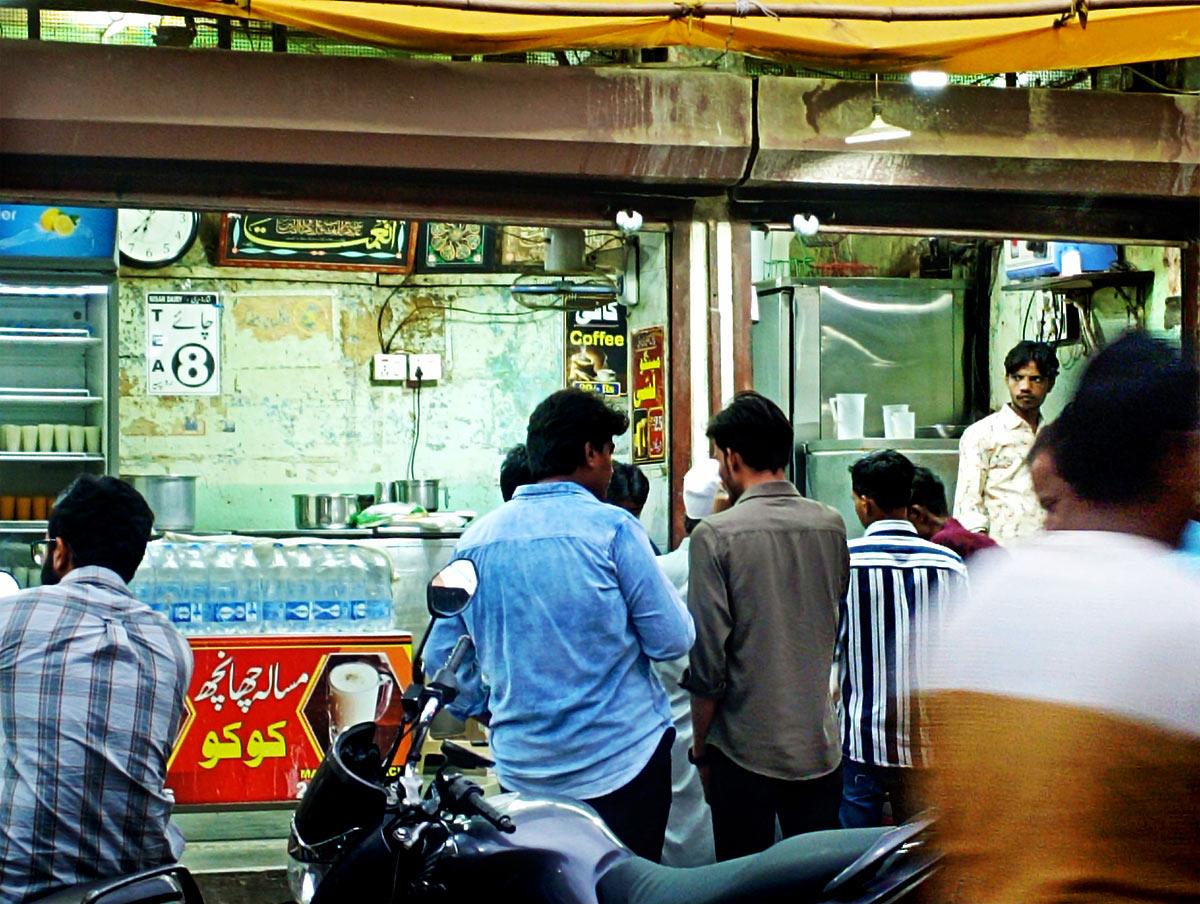
The investigation into the 2008 Malegaon blasts shattered this myth, as it pointed to the hand of Hindutva ideologues and activists behind a series of blasts targeting Muslims between 2006 and 2008, and some even earlier.
But Rahul would have known that. For, within a year of the 2008 blasts, he told no less a personage than the US ambassador to India that 'radicalised Hindu groups' posed more of a danger to India than Islamist terror groups such as the Lashkar-e-Tayiba. This was revealed in 2010 by Wikileaks.
Rahul wasn't alone in voicing strong opinions on 'radicalised Hindu groups'. Two Union home ministers belonging to his party, P Chidambaram and Sushil Kumar Shinde, had, in 2010 and 2013 respectively, spoken publicly of 'saffron terror'.
So had M K Narayanan, national security advisor from 2005 to 2010. Known as a hawk in intelligence circles, Narayanan had mentioned 'Hindu extremist groups' to the FBI director, according to Wikileaks.
Indeed, Narayanan was one of those sent by then prime minister Manmohan Singh to then leader of the Opposition L K Advani to convince the latter that Pragya Thakur's claims of torture in custody by the Maharashtra ATS were false. (The other was then IB Chief P C Haldar.)
Surely Rahul couldn't have forgotten all this?
His dismissive remark left his own party defenceless against the charges that haven't stopped being made against it.
In 2019, defending the BJP's nomination of terror accused Pragya Thakur for a Lok Sabha seat against the Congress's Digvijaya Singh, Prime Minister Narendra Modi had said her nomination was a symbolic answer to the Congress that had 'defamed a 5,000-year-old civilisation' by linking it with terror.
Last week, after her acquittal, the sadhvi claimed this was a victory of 'Bhagwa' (saffron).
The fact that a terror accused became an MP of the ruling party, while out on bail, was only one indication of the special privileges conferred on the Malegaon blast accused. Unlike Muslim or Maoist terror accused, who rarely get bail, and if they do, it comes after the end of a long legal battle, these Hindu accused were all out on bail when the judgment was pronounced.
They hadn't got their freedom after hard won legal struggles. Instead, the prosecution agency itself had diluted the charges against them, and declared that it had no objection to them getting bail.

***
When Rahul Gandhi was asked for his reaction to the judgment, all that had been reported was that the 7 accused had been acquitted, with the judge saying 'there might be strong suspicion against the accused but it is not enough to punish them.' Rahul could at least have pointed out that the accused had not been honourably acquitted, but only been given the benefit of the doubt.
Better still would have been for the Leader of the Opposition to remind the media that Rohini Salian, the original public prosecutor in the case, had gone on record to say that the prosecuting agency had, after the BJP came to power at the Centre, told her to 'go soft' in the case. Just that would have been enough.
Rohini Salian's statement, made in 2015, had made front page news for days. No Opposition politician could have forgotten it, and certainly not one who claims to be fighting an ideological battle against the BJP. In fact, Rahul's latest attack on the RSS was made as recently as June 27, when he accused the BJP and the RSS of wanting the Manusmriti, not the Constitution.
Rahul surely must be aware that in three major bomb blasts targeting Muslims -- 2007 Ajmer Sharif blasts, the 2007 Mecca Masjid (Hyderabad) blast and the 2007 Samjhauta Express blast -- all but three of the Hindutvawadi accused have been acquitted post-2014. The NIA was the prosecuting agency in all of them. This too could have been mentioned by him.
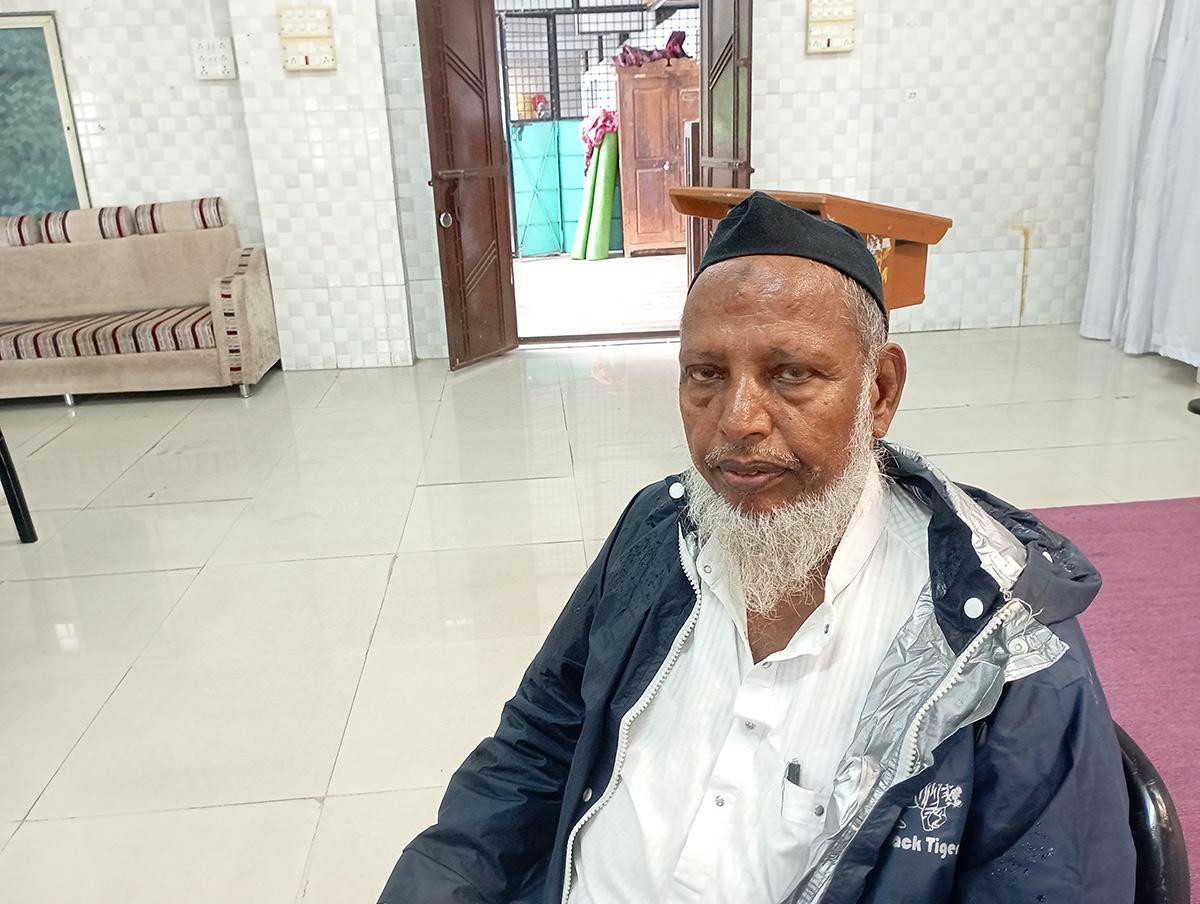
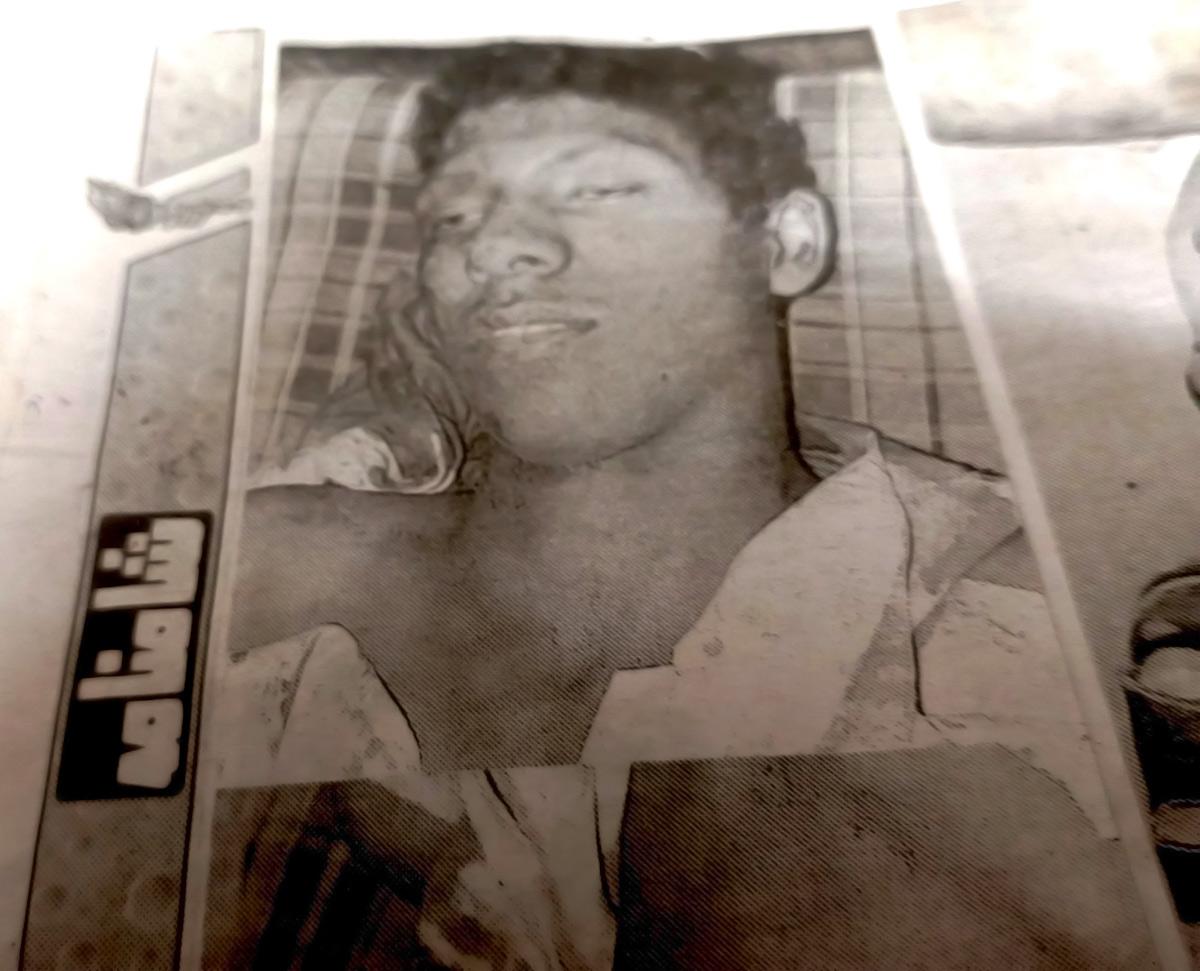
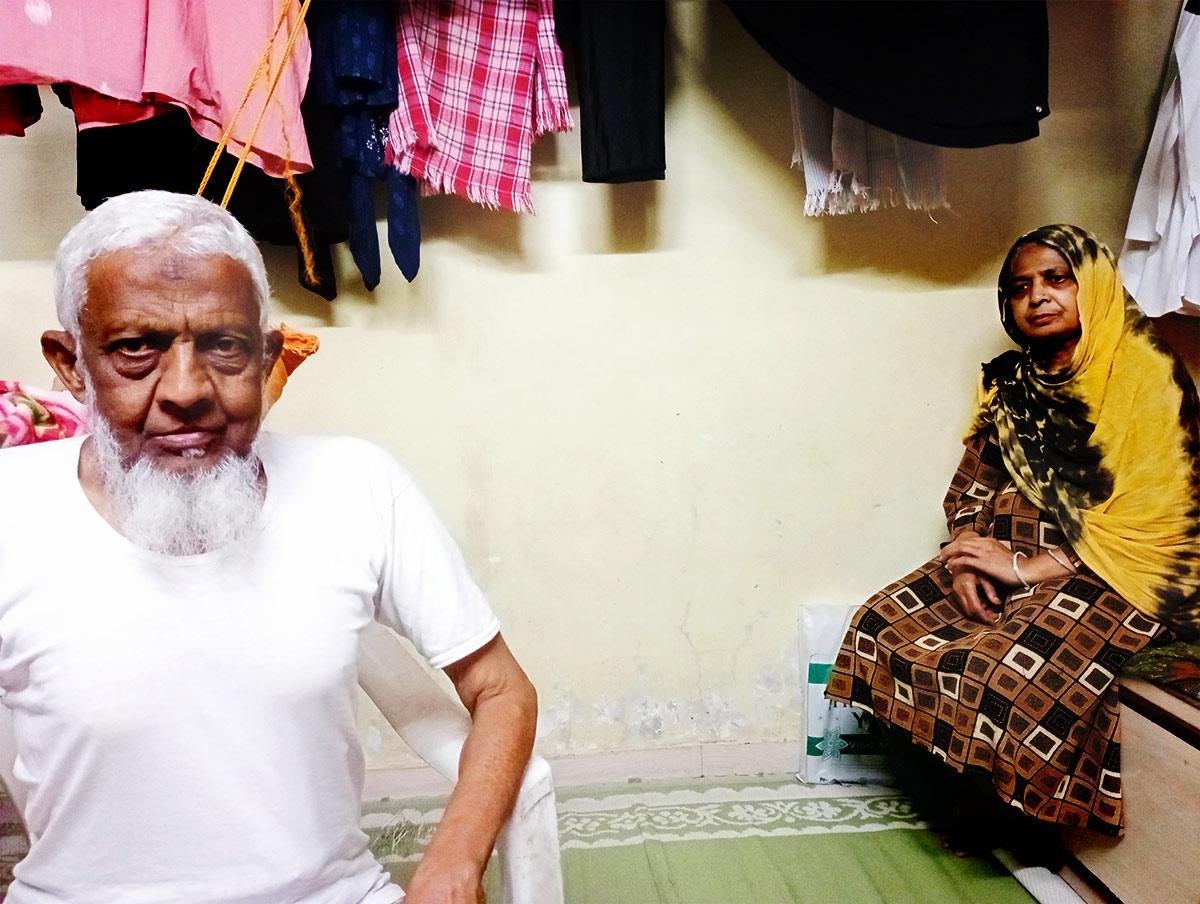
The 2008 Malegaon blast victims, most of them poor, aged and infirm, have been left to their fate by all parties in this powerloom city. Only the Jamiat Ulema, which has been in the forefront of defending Muslims falsely accused in terror cases, has kept track of them. In this case, it represented Syed Nisar, father of Azhar, a 19-year-old victim of the blast, who intervened to oppose Pragya Thakur's bail and also her Lok Sabha candidature.
For these victims, and indeed, for Malegaon's Muslims, Rahul Gandhi's remarks were simply one more indication that the party they once supported no longer cares for them.
In the last two days, after the judgment was uploaded, the NIA judge's scathing remarks against Lieutenant Colonel Prasad Purohit's conduct as an army officer, his dismissal of Pragya Thakur's repeated claims of torture, and his observations on the NIA's failure to produce evidence against the accused, have all been published.
It is still not too late for Rahul Gandhi to point out all this to the media. That is a duty he owes to the victims, to his own party, and to the policy of secularism guaranteed by the Constitution.
Photographs curated by Manisha Kotian/Rediff
Feature Presentation: Aslam Hunani/Rediff




 © 2025