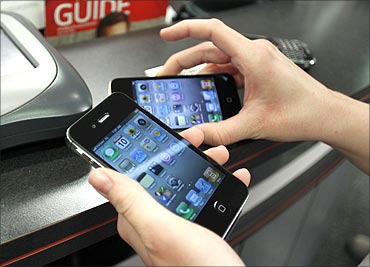
Today, technology is at our fingertips through the latest mobile phones, and the way these wonderful small devices are used makes users vulnerable to the new generation of threats in the tech world.
As the market is flooded with latest models of mobile devices like high-end phones, smartphones, tablets and 3G-enabled handsets, which enable mobile users to access internet handily, cybercriminals are scouting new ways for making money.
Devices with a huge amount of storage capacity are popular targets for criminals. According to experts, security tools used in mobile phones are not as advanced as those used in computers.
However, as more users access internet from expanding pool of devices, web-based threats will continue to grow in size.
"The growth of smartphones and faster data speeds will also increase the possibility of infection. As criminals devise ways to make money out of exploiting mobile technologies, mobile users will grow increasingly vulnerable," said Amit Nath, Country Manager, India and Saarc (South Asian Association for Regional Cooperation), Trend Micro.

It can also do other things: It can send the user's location coordinates device identifiers (International Mobile Equipment Identity and International Mobile Subscriber Identity). It can also download and prompt the user to install an application.
According to a study by security solution provider McAfee, the number of pieces for new mobile malware is growing at a rapid pace. Malware activity in 2010 increased 46 per cent over 2009.
Vinoo Thomas, technical product manager, McAfee, said: "As the mobile internet usage is growing in the country, cyber criminals are getting proactive. Earlier, we were seeing less risk of attacks on mobile phones. Going forward, we expect more organised attack on mobile devices."
Mobile attackers' main attraction is the personal information stored in the contact list. Mobile users generally store bank passwords and other sensitive data on phones. So, once the phone is infected, data or pictures saved in the device can be used for financial benefits.
Increasingly, the same mobile devices are being used for personal as well as business use. This creates an opportunity for hackers, as such mobiles are a gold mine of personal and confidential data and expose users to malicious data.
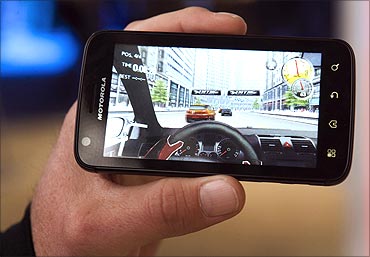
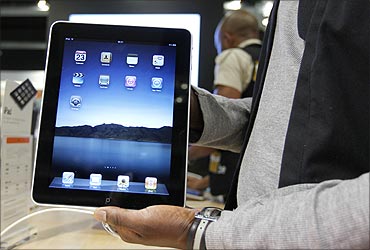
According to the Websense Security Outlook for 2011, many of this year's mobile attacks will exploit mobile web browsers in iPhones, iPads and Android-based devices.
"As users download various applications, criminals are also coming out with various feature-rich applications, which will prompt users to download them. These applications are designed in a way that the abusive contents are also downloaded along with the applications and users can easily fall in the traps of the perpetrators," says Gaurav Kanwal, country sales manager, consumer products and solutions, Symantec.
Experts say it is difficult to identify the malicious content affecting phones through websites. They believe awareness and securing phones with passwords are the only solution. Security service providers are also coming out with products specialised for mobile data users to protect users from cyber attacks.
Although mobile devices give us easy access to internet, limiting our access to contents that are unsafe and malicious is the best way for enjoying mobile internet.

 © 2025 Rediff.com - Investor Information - Advertise with us - Disclaimer - Privacy Policy - Feedback - About us - Terms of use - Grievances