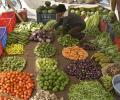
In most cases, however, retail consumers are paying higher prices in the absence of direct procurement from aggregator or farmers.
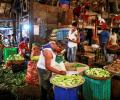
Farmers remained hesitant in sowing vegetable seeds in drought-hit areas.
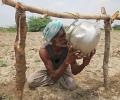
Santosh Patkar of Devgadh Taluka Sindhudurg district of Maharashtra is a worried man these days. Devgadh, which is known as the home to world famous Alphonso variety of mangoes, has seen an unusual drop in yields which is affecting farmers' income. Being one of the primary agricultural produce from the area, Santosh is not untouched by this somewhat rare phenomenon. He said in his own mango garden, yields have come down by a third from most trees.
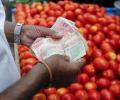
The agriculture ministry projects India's tomato output at 19.69 million tonnes in 2016-17 (July-June)
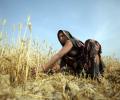
Normally, kharif sowing of vegetable seeds starts during the first week of May across the country. Farmers start preparing their fields to make them suitable for kharif sowing during the second fortnight of April. Now, however, faced with the lockdown, farmers are in a hurry to clear their fields of rabi crop and prepare for kharif planting. With a normal monsoon forecast this year, they are doing all they can to take advantage of pre-monsoon showers.
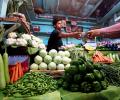
A little away from the city in the northern suburbs, vegetables are 15-30 per cent costlier.
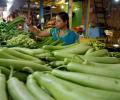
Not only primary vegetables, but also additives like garlic, ginger and chilly have recorded a sharp increase in prices
 © 2026 Rediff.com - Advertise with us - Disclaimer - Privacy Policy - Sitemap - Feedback - About us - Terms of use - Grievances