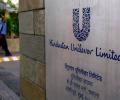
Hindustan Unilever Ltd on Thursday reported a 6.9 per cent rise in consolidated profit after tax at Rs 2,556 crore in the first quarter ended June 30, 2023, riding on a gradual recovery in the FMCG industry despite operating in challenging environment. The company had posted a consolidated net profit of Rs 2,391 crore in the same quarter last fiscal, Hindustan Unilever Ltd said in a regulatory filing. Consolidated total income in the first quarter stood at Rs 15,679 crore as against Rs 14,757 crore in the corresponding period last fiscal.

Among the Sensex firms, Larsen & Toubro, Axis Bank, Tata Steel, Bajaj Finance, Power Grid, Asian Paints, Mahindra & Mahindra and Bajaj Finserv were the biggest gainers. State Bank of India, Hindustan Unilever, Tata Motors and Titan were the laggards.
Of the top 10 valued firms, eight including Reliance Industries, Tata Consultancy Services (TCS), HDFC Bank, Hindustan Unilever Ltd, HDFC and ITC witnessed gains in their market valuation. From the top-10 pack, the valuation of HDFC Bank jumped Rs 31,553.45 crore to Rs 929,752.54 crore.

Among the Sensex firms, Axis Bank fell over 4 per cent, emerging as the biggest laggard. State Bank of India, IndusInd Bank, NTPC, UltraTech Cement, Bajaj Finserv, Tata Steel, JSW Steel, Maruti and Larsen & Toubro were the other major laggards. Nestle, Hindustan Unilever, HDFC Bank, Tata Consultancy Services, Infosys, HCL Technologies, and Asian Paints were among the gainers.

From the Sensex pack, Bharti Airtel, HDFC Bank, Titan, ITC, UltraTech Cement, Sun Pharma, Bajaj Finserv, Bajaj Finance, Hindustan Unilever and Kotak Mahindra Bank were among the major gainers. Tata Steel, Axis Bank, IndusInd Bank, NTPC and ICICI Bank were the major laggards.

FMCG major HUL has posted biggerprofit on improved demand.

Among the Sensex firms, Infosys, NTPC, Power Grid, Titan, ITC, Tech Mahindra, Hindustan Unilever, Axis Bank, Tata Consultancy Services, Bajaj Finserv, Reliance Industries and UltraTech Cement were the biggest gainers. In contrast, IndusInd Bank, Kotak Mahindra Bank, Mahindra & Mahindra, JSW Steel, HDFC Bank and Maruti were the major laggards.

Among the Sensex firms, Nestle rose the most by 4.66 per cent. NTPC rose by 2.16 per cent, Reliance Industries by 1.53 per cent, State Bank of India by 1.04 per cent and Hindustan Unilever by 1.03 per cent. ITC, Power Grid and Bajaj Finance were the major gainers. Wipro, Tata Consultancy Services, HCL Technologies, Tata Steel, Bajaj Finserv and Maruti were among the laggards.

Benchmark indices--Sensex and Nifty--were 0.7-0.8 per cent higher from the Saturday closing. Among the widely-tracked Nifty 50 stocks, 39 advanced and the rest 11 declined at the opening bell. Among the individual stocks, Cipla, ICICI Bank, Sun Pharma, Power Grid Corp, and Bharti Airtel were the top five gainers, while Asian Paints, Hindustan Unilever, Britania, HDFC Bank, and BPCL the losers, NSE data showed. On Monday, Indian stock exchanges were closed for trading on the occasion of Pran Pratistha of Ram Temple in Ayodhya.

It's not only the Indian markets that command a valuation premium over their global peers; shares of subsidiaries of India-listed multinational companies (MNCs) also trade at rich valuations compared to their parent companies. An analysis of 12-month forward price-to-earnings (P/E) and price-to-book (P/B) multiples of domestically listed MNCs shows that most quotes have a premium ranging from 2.1x to 6x that of their parent. Similarly, P/B, in most cases, is significantly higher in the domestic market.

FMCG major Hindustan Unilever Ltd on Monday reported a net profit of Rs 408.06 crore (Rs 4.08 billion) for the quarter ended September 30, while the same was Rs 520.74 crore (Rs 5.21 billion) in the corresponding period last fiscal. The company's total income stood at Rs 3470.49 crore (Rs 34.70 billion) for the quarter under review, while it was at Rs 3162.82 crore (Rs 31.63 billion) in the same quarter previous year.

From the Sensex pack, Nestle, Tata Consultancy Services, IndusInd Bank, Asian Paints, Bharti Airtel, Tech Mahindra, UltraTech Cement, Kotak Mahindra Bank and Hindustan Unilever were among the major laggards. Tata Steel, JSW Steel, HCL Technologies, Axis Bank, Power Grid and Mahindra & Mahindra were among the gainers.

Nine of the 10 most valued firms faced a combined erosion of Rs 1,87,808.26 crore in market valuation last week, with HDFC Bank and Reliance Industries taking the biggest hit amid an overall weak trend in equities. Last week, the BSE benchmark tumbled 1,538.64 points or 2.52 per cent amid concerns that the US Federal Reserve might raise interest rates further to curb inflation. Fresh foreign fund outflows also dented investor sentiments. Barring ITC, all 10 firms, including Tata Consultancy Services (TCS), Infosys, ICICI Bank and Hindustan Unilever, were the laggards.

Among the Sensex firms, State Bank of India, Infosys, Titan, Tech Mahindra, IndusInd Bank, NTPC, ICICI Bank, Power Grid, Reliance Industries and Kotak Mahindra Bank were the major laggards. On the other hand, Tata Motors, Nestle, Hindustan Unilever, Tata Steel, Bajaj Finance and UltraTech Cement were among the gainers.

Bajaj Finance, ICICI Bank, Bajaj Finserv, IndusInd Bank, Infosys, Kotak Mahindra Bank, Wipro, and Reliance Industries were among the other laggards. On the other hand, Larsen & Toubro, Hindustan Unilever, Power Grid, Asian Paints, Nestle and Mahindra & Mahindra were the major gainers.

With rising incomes, education, and health awareness in India, especially in the big cities, droves of people are saying no to sugar.

FMCG major Hindustan Unilever Ltd on Thursday reported an increase of 12.74 per cent in its consolidated net profit at Rs 2,601 crore for the fourth quarter ended March 31, 2023. The company had posted a net profit of Rs 2,307 crore in the January-March quarter of the previous fiscal. Its revenue from sales during the quarter under review stood at Rs 14,926 crore, up 10.83 per cent, as against Rs 13,468 crore in the corresponding period a year ago, Hindustan Unilever Ltd (HUL) said in a regulatory filing.

Movement in the equity market this week will largely be dictated by quarterly earnings of blue-chip firms HDFC Bank and Hindustan Unilever, along with the announcement of WPI inflation data and global trends, analysts said. Trading activity of foreign investors, global oil benchmark Brent crude and rupee-dollar trend would also guide the movement.

What do we need more of: Leaders who dominate global institutions or local leaders with a 'Make-in- India' mindset?
Major laggards among Sensex constituents included Bharti Airtel, Hindustan Unilever, Tata Steel and ITC. Power Grid, UltraTech Cement, NTPC and Titan emerged as winners.
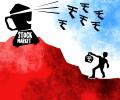
Gains in IndusInd Bank, HCL Tech, TCS, Tech Mahindra, NTPC, ITC, JSW Steel and Tata Steel helped the barometer scale a fresh high. Axis Bank fell the most by 1.26 per cent, M&M by 0.99 per cent and Hindustan Unilever by 0.67 per cent. Maruti, Bajaj Finserv, Bharti Airtel and HDFC Bank and Infosys also declined.

Mahindra & Mahindra was the top laggard in the Sensex pack, sliding 2.05 per cent, followed by Bajaj Finance, Tata Steel, SBI, Asian Paints, Kotak Mahindra Bank and Titan. However, IT majors HCL Technologies and TCS defied the trend and gained 1.02 per cent and 0.47 per cent, respectively. FMCG firm Hindustan Unilever rose 0.32 per cent.
HUL believes that post Covid, the awareness about health and wellbeing and selfcare, has exploded and there is a mindset change from health as absence of disease, to health as a part of lifestyle.
Titan surged 2.98 per cent, followed by IndusInd Bank, ITC, JSW Steel, Infosys, Tech Mahindra, Tata Consultancy Services and Maruti. Hindustan Unilever, Asian Paints, Bharti Airtel and HDFC Bank were among the laggards.
Among the Sensex firms, Adani Enterprises and Adani Ports sustained their gaining momentum and traded higher by 4.40 per cent and 4.37 per cent, respectively. BPCL, Axis Bank, Mahindra & Mahindra and SBI were the other major gainers. On the other hand, HCL Tech, Infosys and Bajaj Auto traded in the negative zone with a loss of up to 1.54 per cent.
Tech Mahindra was the biggest loser in the Sensex pack, slipping 4.59 per cent, followed by Asian Paints, Wipro, Kotak Mahindra Bank, Bajaj Finserv, Infosys, ITC, Mahindra & Mahindra, Hindustan Unilever, IndusInd Bank, Reliance Industries and JSW Steel. In contrast, Larsen & Toubro, Bharti Airtel, Power Grid and Axis Bank were among the gainers.
From the Sensex pack, Infosys, Hindustan Unilever, Reliance Industries, ICICI Bank, Larsen & Toubro, Asian Paints, Nestle, Axis Bank, Wipro and Kotak Mahindra Bank were the major gainers. JSW Steel, State Bank of India, Tata Steel, Bajaj Finserv, UltraTech Cement, IndusInd Bank, Tata Motors and Bajaj Finance were the major laggards.

ICICI Bank was the biggest loser in the Sensex pack, slipping 2.81 per cent, followed by Mahindra & Mahindra, State Bank of India, UltraTech Cement, IndusInd Bank, Kotak Mahindra Bank, Tata Motors, Bajaj Finserv, Axis Bank and Power Grid. Tech Mahindra, Bharti Airtel, Infosys, Asian Paints, Hindustan Unilever, Larsen & Toubro and Titan were the gainers.

Eight of the 10 most valued firms faced a combined erosion of Rs 1,17,493.78 crore in market valuation in an overall weak trend in equities last week, with Infosys taking the biggest hit. Reliance Industries, Tata Consultancy Services (TCS), HDFC Bank and ICICI Bank were among the eight companies that suffered a decline in their valuation. ITC and State Bank of India were the only gainers. Last week, the 30-share BSE Sensex fell by 775.94 points or 1.28 per cent.
Benchmark equity indices Sensex and Nifty rebounded from early lows to settle higher on Wednesday following buying in Reliance Industries, Larsen & Toubro and ITC and positive trends in Asian and European markets. The 30-share BSE Sensex rose by 173.22 points or 0.26 per cent to settle at 66,118.69. The index opened lower and fell further to a low of 65,549.96 in morning trade.

Among Sensex stocks, Wipro gained the most by 3.29 per cent. Ultratech Cement, Reliance Industries, Hindustan Unilever, Nestle, NTPC, M&M, HDFC Bank, ITC, Kotak Bank and Axis Bank were among the winners. On the other hand, HCL Tech fell the most by 1.24 per cent. SBI, TCS, Infosys, IndusInd Bank and Tata Steel also dropped.
Benchmark stock indices Sensex and Nifty fell for the third day running on Friday due to weak trends in global markets and soaring crude oil prices. Foreign fund outflows also weighed on investor sentiments amid strengthening US bond yields which are nearing 5 per cent for the first time since 2007. The 30-share BSE Sensex fell 231.62 points or 0.35 per cent to settle at 65,397.62.
Tata Steel, Tech Mahindra, NTPC, JSW Steel, Power Grid, UltraTech Cement, HCL Technologies and HDFC Bank were among the major gainers. Bharti Airtel, Hindustan Unilever, Axis Bank, Reliance Industries, Kotak Mahindra Bank, ICICI Bank and IndusInd Bank were among the laggards.
Sun Pharma, Bajaj Finserv, Tata Consultancy Services, Infosys, Hindustan Unilever, JSW Steel, Wipro, Maruti, HCL Technologies, Tech Mahindra and ICICI Bank were the other major gainers. State Bank of India, Tata Motors, Axis Bank, Kotak Mahindra Bank, Bajaj Finance, Tata Steel, Nestle and HDFC Bank were the laggards.
Nine of the 10 most valued firms together added over Rs 2.12 lakh crore in their market valuation last week, with HDFC Bank and TCS emerging as the lead gainers. Last week, the 30-share BSE benchmark jumped 844.68 points or 1.38 per cent. The stock markets were closed on Tuesday for Guru Nanak Jayanti.
Hindustan Unilever (HUL)'s decision to split its beauty and personal care division and place a renewed focus on digital has been driven by its aim to serve the consumer of tomorrow, say analysts and brand experts. HUL managing director and chief executive officer Rohit Jawa is looking to make the company 'future ready', and while these bets are not for the short-term, they will eventually pay off as the Indian consumer is young and digital friendly, they add. "Rohit Jawa comes with digital experience and he is preparing to steer HUL into serving the future consumer who is more digital friendly," said Sachin Bobade, vice-president at brokerage firm Dolat Capital.
From the Sensex pack, State Bank of India, HDFC, Axis Bank, HDFC Bank, Bharti Airtel, Kotak Mahindra Bank, ICICI Bank, Tata Motors, NTPC and Bajaj Finserv were the major gainers.
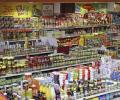
Companies manufacturing fast-moving consumer goods (FMCG) continue to see rural stress sustain and it continues to trail urban demand. At the Confederation of Indian Industry's FMCG summit, managements of various companies pointed out urban demand continued to grow while rural demand remained under pressure because incomes were under stress in rural areas. "Due to rural stress, volumes continue to remain an issue for the industry and we are yet to see any revival in demand," Sudhir Sitapati, managing director (MD) and chief executive officer (CEO) at Godrej Consumer Products
Bharti Airtel was the biggest gainer in the Sensex pack, rising 2.37 per cent, followed by Mahindra & Mahindra, HCL Tech, Tata Motors, Tech Mahindra, HDFC Bank, Wipro, Tata Consultancy Services, Axis Bank and Nestle. Asian Paints, Hindustan Unilever, Bajaj Finserv and NTPC were among the laggards.

Nearly 90 per cent of the stocks comprising the National Stock Exchange Nifty 500 Index and 49 of the 50 stocks that make up the Nifty50 are trading above their respective 200-day moving averages (DMAs). The 200-DMA is considered one of the most relevant trend indicators by investors and traders. They believe that stocks and indices trading above this key level exhibit strength and are likely to rally, while those trading below this level are viewed as bearish, with the stock/index expected to see a selloff.
 © 2026 Rediff.com - Advertise with us - Disclaimer - Privacy Policy - Sitemap - Feedback - About us - Terms of use - Grievances