
Many Indian temples rank among the richest on the planet, possessing cash, jewels, relics and estates.
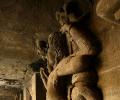
So many of our temples, either in the north or in the South, boast elaborate shikharas, mandapas, vimanas. But the earliest places of worship were sculpted deep into rock faces and hill caves.

The height of temples in India is decided by the height of their gopurams or shikharas or vimanas that sit like Indian-style spires above the main sanctum. This listing of 10 temples have the tallest towers rising above the main temple structure.

The height of temples in India is decided by the height of their gopurams or shikharas or vimanas that sit like Indian-style spires above the main sanctum. This listing of 10 temples have the tallest towers rising above the main temple structure.

Unlike Lord Vishnu and Lord Shiva, who have countless temples across India, Lord Brahma, the creator of the universe and one of the triad of principal Hindu deities, has only a few temples dedicated to him. There are several legends about why this is so. The most-believed version is that Lord Shiva was angry with Lord Brahma, for a lie he told, and cursed him saying no one would worship him on earth.

Goddess Shitala, also spelled Sheetala or Seetla or Sitla, is a revered avatar of Goddess Parvati, like Goddess Durga. Her name means coolness, symbolising her role in soothing ailments & protecting her flock from diseases, particularly smallpox, chickenpox. March 21, 22 she will be honoured in countless temples across north India on her special days that come after Holi. Here are a few.

Rediff readers shared these pictures from their travels.
Readers send in their travel images. Have you sent yours yet?

Forget Munnar and Manali, these places in India are worth your time.
Haldea's report requires serious rethinking of the NHAI model, not an outburst by Kamal Nath.

'It is wrong to assume that it is only after 1991 that we started following this ritual.' 'Ayyappan himself instructed where the temple had to be built, the rituals that had to followed and the route that had to be taken by devotees to the temple.'
 © 2026 Rediff.com - Investor Information - Advertise with us - Disclaimer - Privacy Policy - Sitemap - Feedback - About us - Terms of use - Grievances