
Leaders from 26 opposition parties, in power individually or in alliance in Delhi and 10 states, are meeting in Bengaluru to discuss strategy to take on the Narendra Modi-led NDA in the 2024 Lok Sabha polls.

Her inclusion in the Modi's team is significant ahead of the Uttar Pradesh assembly elections next year and the Lok Sabha polls in 2024 as the Other Backward Classes have a sizeable number of voters in the key Purvanchal region.

State deputy Chief Minister Keshav Prasad Maurya among 692 candidates are contesting on 61 seats spread across 12 districts in the fifth phase.

Campaigning for the fifth phase ended on Friday evening, and all necessary arrangements have been completed, state Chief Election Officer Ajay Kumar Shukla said in Lucknow on Saturday.

The last two phases of the elections will be held on March 3 and 7.
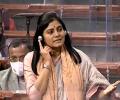
Stressing that the Apna Dal-S stands for social justice, Union minister Anupriya Patel on Monday dissociated her party from "Hindutva and all those issues" and said it is ideologically different from the Bharatiya Janata Party.
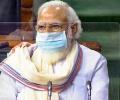
Amid Covid-19 protocols, here's how the monsoon session looks like.

In the event of a triangular contest the winning party will need about 40 per cent of the votes polled. And it is here that the votes of the numerically smaller communities will come into play.

It is likely that small parties would be given very few seats to contest, but these parties believe that they would be able to swing the result in favour of bigger alliance partners by transferring their vote bank.
UP now has 16 ministers, the maximum from any state, in an apparent bid to keep the Dalit and other backward class votebank content.

Rediff.com gives you a look at newbies in the Council of Ministers
 © 2026 Rediff.com - Investor Information - Advertise with us - Disclaimer - Privacy Policy - Sitemap - Feedback - About us - Terms of use - Grievances