
FMCG major HUL on Friday announced the appointment of Rohit Jawa as the managing director & chief executive officer to succeed Sanjiv Mehta who will retire from the company after leading it for a decade. Jawa, presently the Chief of Transformation for Unilever, would take over the leadership role for a term of five consecutive years with effect from June 27, 2023, the company said in a statement. "The appointment of Rohit Jawa as a whole-time director and MD & CEO will be subject to approval of Shareholders and other statutory approvals as may be applicable," it added.

Priya Nair will become the first woman CEO and MD of Hindustan Unilever Ltd (HUL) effective August 1, 2025, with India's largest FMCG firm announcing her appointment on Thursday. Nair, currently president, Beauty & Wellbeing, Unilever, has been appointed for a period of five years.
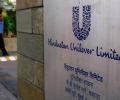
FMCG major Hindustan Unilever Ltd (HUL) on Thursday reported a 5.97 per cent rise in its consolidated net profit to Rs 2,768 crore for the June quarter of FY26, helped by gains from a re-estimation of taxes paid in the previous year. The company had logged a net profit of Rs 2,612 crore in the April-June quarter a year ago, according to a regulatory filing from HUL, the maker of popular brands as Dove, Lifebuoy, Lux, Lakm, and Sunsilk.
HUL managing director Rohit Jawa's total remuneration in FY25 has witnessed an increase of 3.75 per cent to Rs 23.23 crore, according to the latest annual report of the FMCG major. Jawa's annual package included a salary of Rs 3.65 crore, allowances of Rs 11.45 crore, a bonus of Rs 3.78 crore and a perquisite long-term incentives of Rs 2.76 crore.

FMCG major Hindustan Unilever Ltd (HUL) on Thursday reported a decline of 3.35 per cent in its consolidated net profit at Rs 2,475 crore for the fourth quarter ended March 31, 2025.
FMCG major Hindustan Unilever Ltd on Wednesday reported a 19.18 per cent rise in consolidated net profit at Rs 2,989 crore in the December quarter.
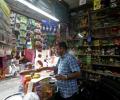
India's fast-moving consumer goods (FMCG) sector grew 5.7 per cent by value and 4.1 per cent by volume in the July-September quarter driven by rural demand, consumer intelligence firm NielsenIQ said in its quarterly update on Thursday. Price-led growth stood at 1.5 per cent. According to NielsenIQ data, rural volume growth outpaced urban markets for the third straight quarter despite consumption softening in both regions.
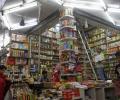
Leading FMCG companies reported a decline in margins in the September quarter on account of higher input costs and food inflation, which ultimately slowed down the pace of urban consumption. Rising prices of commodity inputs such as palm oil, coffee and cocoa were also accentuated and some FMCG firms have hinted at a price hike. HUL, Godrej Consumer Products Ltd (GCPL), Marico, ITC, and Tata Consumer Products Ltd (TCPL) have expressed concerns over squeezing urban consumption, which according to industry experts forms 65-68 per cent of FMCG total sales.

Industry leaders on Thursday mourned the death of Ratan Tata saying with his demise India has lost a visionary who shaped its industrial and philanthropic landscape. Tata was a truly remarkable business leader who placed the country before business interests, and whose vision was truly transformational for a country and its people, TVS Motor Co Chairman Emeritus Venu Srinivasan said in a statement. "Mr Tata was a truly remarkable business leader, the likes of whom nations get only once in a century," he added.
Hindustan Unilever (HUL)'s decision to split its beauty and personal care division and place a renewed focus on digital has been driven by its aim to serve the consumer of tomorrow, say analysts and brand experts. HUL managing director and chief executive officer Rohit Jawa is looking to make the company 'future ready', and while these bets are not for the short-term, they will eventually pay off as the Indian consumer is young and digital friendly, they add. "Rohit Jawa comes with digital experience and he is preparing to steer HUL into serving the future consumer who is more digital friendly," said Sachin Bobade, vice-president at brokerage firm Dolat Capital.
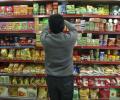
The Budget proposals are expected to boost the fortunes of consumer goods and fast-moving consumer goods companies, which have been struggling with poor consumer demand for more than a year. The Budget announcements, such as the increase in standard deduction by Rs 25,000 for income-tax payers and slab revisions, will put more money in their hands, boosting consumer demand. Private consumption is also likely to benefit from a new scheme to offer internships to 10 million youths in the country's top 500 companies.
FMCG major Hindustan Unilever on Wednesday reported a 1.53 per cent decline in consolidated net profit to Rs 2,561 crore for the fourth quarter ended March 31, 2024 due to factors such as deflation and softening of commodity prices. The company had posted a net profit of Rs 2,601 crore in the year-ago period, according to a regulatory filing from HUL. Net sales of Hindustan Unilever Ltd (HUL) were almost flat to Rs 15,013 crore in the March quarter.

Hindustan Unilever Ltd on Thursday reported a 6.9 per cent rise in consolidated profit after tax at Rs 2,556 crore in the first quarter ended June 30, 2023, riding on a gradual recovery in the FMCG industry despite operating in challenging environment. The company had posted a consolidated net profit of Rs 2,391 crore in the same quarter last fiscal, Hindustan Unilever Ltd said in a regulatory filing. Consolidated total income in the first quarter stood at Rs 15,679 crore as against Rs 14,757 crore in the corresponding period last fiscal.
Hindustan Unilever Ltd on Friday reported a 1.08 per cent increase in consolidated net profit at Rs 2,508 crore in the third quarter ended December 2023. The company had posted a consolidated net profit of Rs 2,481 crore in the same quarter last fiscal, Hindustan Unilever Ltd (HUL) said in a regulatory filing. Its revenue from sales of products was marginally down to Rs 15,259 crore during the quarter.
Regional and local fast-moving consumer goods (FMCG) brands are gaining momentum at the cost of national brands for the second quarter in a row. Consumer brands are now losing out on share, especially at the mass end of the market. Local brands have been able to capture market share as prices of raw materials are lower.
 © 2026 Rediff.com - Investor Information - Advertise with us - Disclaimer - Privacy Policy - Sitemap - Feedback - About us - Terms of use - Grievances