
Suvendu Adhikari was sworn in as the first BJP chief minister of West Bengal, marking the end of the Trinamool Congress' 15-year rule in the state.

In West Bengal's electoral chessboard, governments are rarely made in the hills of North Bengal or the forested region of Jangalmahal. Power is usually decided in the crowded plains of South Bengal, where elections are won less by momentum and more by mathematics.

West Bengal's upcoming 2026 election may hinge on the impact of recent electoral roll revisions, particularly in 65-70 closely contested constituencies where victory margins are slim. The deletion of over 90 lakh names, especially in key areas like Nandigram, Bhabanipur, and the Matua belt, has redrawn the electoral map, potentially influencing the outcome for both the TMC and BJP.

West Bengal's final phase of assembly elections focuses on the TMC's southern stronghold, where the BJP aims to make inroads. The outcome will determine whether Mamata Banerjee's party retains its dominance or if the BJP can secure a path to power.

The campaign for the current election cycle ended on Monday as canvassing for the final phase in West Bengal concluded with a bitter war of words between rival parties over cross-border infiltration, corruption, unemployment and the Special Intensive Revision (SIR) of electoral rolls.
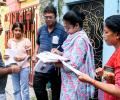
The upcoming publication of West Bengal's electoral rolls is expected to intensify political tensions and debates ahead of the Assembly elections, reflecting concerns about voter inclusion and identity.

The prime minister also launched a blistering attack on Banerjee, saying she did not care to express regret after a "leader very close to her" called Scheduled Castes "beggars".

'At this moment, the Trinamool has an edge.'
