
Macroeconomic data announcements, the last batch of Q1 earnings and global trends are the major factors that would influence trading sentiments in the equity market in a holiday-shortened week ahead, analysts said. Besides, trading activity of foreign investors would also be a crucial factor in dictating movement in the market. Equity markets would remain closed on Thursday for Independence Day.

Stock markets would take cues from the upcoming macroeconomic data announcements and global trends besides keeping a watch on the trading activity of foreign investors, analysts said. The last batch of the ongoing earnings calendar would trigger stock-specific action, traders said. "This week, we have to deal with macroeconomic data on both the domestic and global front.

Reliance Industries was the biggest gainer in the Sensex pack, rising 2.69 per cent, followed by HCL Tech, ICICI Bank, Tata Motors, Wipro, IndusInd Bank, JSW Steel, Wipro, Tata Consultancy Services and Titan. In contrast, NTPC, Power Grid, UltraTech Cement, Axis Bank, Infosys and Nestle were the major laggards.

Global trends, macroeconomic data, and the outcome of the US Fed policy meeting are the major factors that will drive the movement in the domestic equity markets this week, analysts said. "In the upcoming data-centric week, the focus will be on crucial releases, including inflation data from India and the US. "Indian inflation is expected to rise, while US inflation will remain steady.

India's economic growth will be above 6 per cent in the current fiscal as the country has managed to strengthen its macroeconomic stability and performance even in a period of large global shocks, RBI Monetary Policy Committee (MPC) Member Ashima Goyal said on Monday. Goyal further said that a global slowdown reducing India's export growth, geopolitics fueling oil and food prices, and erratic weather are some of the continuing risks that the country faces. "India has managed to strengthen its macroeconomic stability and performance even in a period of large global shocks.

The sector seems set for a rally that may be somewhat temporary.

India's annual inflation rate dropped to its lowest since March in the week ended May 24, the government said on Sunday, and analysts forecast further falls that would allow the central bank to keep interest rates soft.
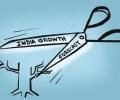
The biggest risk to India's growth outlook is an escalation of geopolitical tensions, especially if these tensions spread to the Asian region, RBI Monetary Policy Committee (MPC) member Jayanth R Varma said on Wednesday. Varma, in an interview to PTI, said that inflation and inflationary expectations appear to be moderating and high inflation will certainly not become the 'norm' in the country. He is cautiously optimistic about the Indian economy as after the pandemic abated, consumption demand has begun to recover though the recovery is uneven across sectors and industries.
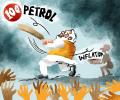
'People know if inflation is not within the tolerance band, then action will be taken so they do not expect inflation to rise above that.'
High gold prices let Indians feel wealthier and spend more, making monetary policy less effective.

The median forecast for wholesale price index-based inflation in the first quarter of 2010/11 is at 10.4 per cent, according to Reserve Bank of India's survey, higher than 9.5 per cent in the previous survey.

Flexibly targeting inflation is consistent with a demand stimulus, says Ashima Goyal.

Cascading effect of rising raw materials will result in inflation, high rates, slow capex

October infrastructure output, which contributes nearly 38 per cent to the industrial output index, was up 3.2 per cent annually.

'There is no shortage of material for the Opposition to develop and deploy a campaign against the government.' 'Are we seeing signs that it exists? I confess that I do not see it,' says Aakar Patel.
The rupee and a BMW both move fast. So will a rise in the rupee make the BMW move even faster?
There is considerable evidence to suggest that the Indian inflation problem is a has-been problem, a problem that has ceased to be.

A collapse in global oil prices has unleashed a wave of monetary easing.

Consumer prices were forecast to have risen 10.00 per cent annually last month, barely changed from the 10.09 per cent clocked in October.

While the UK will possibly go into recession, the bigger fear is copycat referendums from other EU nations.
 © 2026 Rediff.com - Investor Information - Advertise with us - Disclaimer - Privacy Policy - Sitemap - Feedback - About us - Terms of use - Grievances