
A rally in Dhaka, Bangladesh, organized by the Inqilab Moncho party, demanded justice for slain student leader Sharif Osman Hadi and called for the cancellation of work permits for all Indians residing in Bangladesh. The protest also sought the repatriation of alleged killers believed to be in India, further straining relations between the two countries.

The Inter-Services Intelligence (ISI), which trained a batch of Assam's United Liberation Front of Asom (ULFA) militants in 1991-92, considered the rebel group's chief Paresh Baruah a prize catch and did not want to offend him even after he was unwilling to take the agency's commands on conducting operations in the northeastern state, claims a new book.

Various theories are being attached to the constant targetting of India's north eastern states. Intelligence Bureau officials confirm that the mantle of infiltrating into the north eastern states is in the hands of the Bangladesh-based Director General of Forces Intelligence.
Tasneem Khalil, a Bangladeshi journalist who works for the Daily Star and the CNN, was picked up by the military intelligence in May 2007 and kept in detention for over 22 hours. The Bangladeshi intelligence agencies suspect that he was an Indian spy and he was providing vital information on Bangladesh to India.
"The role of external forces in the insurgency is obvious given that top ULFA leaders are sitting in Bangladesh, thanks to the ISI and DGFI."
Jamaat-ul-Mujahideen Bangladesh terrorists have entered West Bengal to carry out subversive activities.
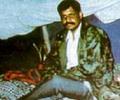
A Bangladeshi court on Thursday handed down the death penalty to 14 people, including the chief of Jamaat-e-Islami and a top leader of India's separatist outfit United Liberation Front of Asom, in the country's biggest ever weapons haul case, nearly 10 years after the seizure took place.

Intelligence agencies draw a list of terror outfits that pose the gravest threat to India. Vicky Nanjappa reports
 © 2026 Rediff.com - Investor Information - Advertise with us - Disclaimer - Privacy Policy - Sitemap - Feedback - About us - Terms of use - Grievances