
Multiple tailwinds for the automobile sector, including a cut in goods and services tax (GST) rates, are keeping analysts bullish on auto stocks from a long-term perspective, even as they see the rally running its course in the near term.

About two-thirds of the incremental net income of the Nifty 50 over FY19-24 has come from companies in relatively low-valued sectors such as banks, diversified financials, IT services, and metals and mining.

A record amount of pension money may be finding its way into the stock market, if buying figures in the National Stock Exchange (NSE) data are any indication. Category inflows touched Rs 37,409 crore for the three months ending September 2025, shows an analysis of NSE data.

From the Sensex firms, Tata Motors jumped the most by 5.54 per cent, followed by Kotak Mahindra Bank, Trent, Sun Pharma, Axis Bank, and ICICI Bank. However, Bajaj Finance, State Bank of India, UltraTech Cement and Tata Steel were among the laggards.
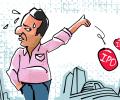
'The primary market's rhythm mirrors investor confidence. While sentiment may appear cautious, it reflects maturity, not weakness.'

With average returns of 18 per cent over the past year, listed real estate investment trusts (Reits) have clearly outperformed both the Nifty Realty index and the Sensex. Over the same period, Nifty Realty fell 15.5 per cent, while the benchmark index was largely unchanged. Steady office leasing, the Securities and Exchange Board of India's (Sebi's) decision to reclassify Reits as equity instruments, and ongoing portfolio expansion have strengthened the sector's appeal.

Brokerages expect the company to continue outperforming in the auto segment, driven by launches and the strong trajectory of healthy bookings.

From the 30 Sensex pack, State Bank of India jumped 5 per cent, followed by ICICI Bank, Bajaj Finserv, NTPC, Adani Ports, Bajaj Finance and Larsen & Toubro. In contrast, Maruti, Tata Motors, Sun Pharma, Bharti Airtel, IndusInd Bank and Mahindra & Mahindra were among the laggards.

Among the 30 Sensex firms, Bajaj Finserv, Bajaj Finance, HCL Tech, IndusInd Bank, ITC, UltraTech Cement, Axis Bank and Infosys were the biggest gainers. On the other hand, Tata Motors, NTPC, Mahindra & Mahindra, Bharti Airtel, Larsen & Toubro and Power Grid were among the laggards.
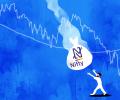
'The biggest near-term risk to Indian equities is the outflow of investments to China as tactical trades by foreign investors.'

Among Sensex firms, Tata Steel jumped the most by 5.90 per cent. Titan, Mahindra & Mahindra, ITC, Eternal, State Bank of India, and Trent were among the other gainers. However, Infosys, NTPC, Hindustan Unilever, TCS, Adani Ports and Bharti Airtel were among the laggards.

Among the Sensex firms, State Bank of India, Maruti Suzuki India, Axis Bank, NTPC, BEL, Adani Ports, Eternal, Sun Pharmaceuticals, Power Grid, ITC, UltraTech Cement, Trent, HCL Technologies, Mahindra & Mahindra, and HDFC Bank were the major gainers. On the other hand, Tata Steel, Tata Consultancy Services, Tech Mahindra, Titan, Bajaj Finserv, Tata Motors, Bharti Airtel and Bajaj Finance were among the laggards.

Ask rediffGURU Reetika Sharma your insurance, mutual fund and personal finance-related questions.

Among Sensex firms, Mahindra & Mahindra, Asian Paints, Kotak Mahindra Bank, ICICI Bank, Tata Motors and Larsen & Toubro closed with losses. However, Power Grid, NTPC, Tata Steel and Hindustan Unilever were the major gainers.

Goldman Sachs is bullish about Indian aerospace and defence, preferring private companies over public sector units (PSUs) as the country ramps up its export target for the sector to Rs 50,000 crore by FY29 from Rs 23,600 crore last year. The American investment bank's top 'buy' recommendations include Solar Industries, Bharat Electronics, Data Patterns and PTC Industries, while Bharat Dynamics is rated 'sell'.

This marks a rebound after more than two years of underperformance during a strong rally in smallcap stocks.

Ask rediffGURU Reetika Sharma your insurance, mutual fund and personal finance-related questions.

Benchmark Sensex closed above the 85,000 level for the first time while Nifty scaled the 26,000 peak at close on Wednesday as fag-end buying in banking and power shares helped stock markets recoup early losses. After a see-saw trade during the day, the 30-share BSE Sensex rose by 255.83 points or 0.30 per cent to settle at an all-time high of 85,169.87. During the day, it surged 333.38 points or 0.39 per cent to hit a record intra-day peak of 85,247.42.

Equity market investors would track global trends, foreign fund movement and quarterly earnings in a holiday-shortened week ahead, analysts said. Stock exchanges BSE and NSE will conduct a special Muhurat trading session on Tuesday, October 21.
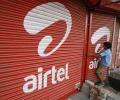
The stock of Bharti Airtel, India's largest listed telecommunications (telecom) services provider, recently hit an all-time high on expectations of higher average revenue per user (Arpu), a stable market setup, and fresh revenue lines.

From the 30 Sensex firms, Mahindra & Mahindra, Bajaj Finance, Asian Paints, Nestle, Bharti Airtel, UltraTech Cement, Hindustan Unilever, ITC, and HDFC Bank were the major laggards. In contrast, Infosys, Tech Mahindra, Tata Motors, Axis Bank, Tata Consultancy Services and State Bank of India were among the gainers.

Benchmark Sensex hit the historic 83,000 level for the first time on Thursday and the Nifty settled at a lifetime high after a rally in blue-chip shares, surge in global markets and foreign fund inflows. A sharp fag-end rally drove the 30-share BSE Sensex to the 83,000 level for the first time. The barometer surged 1,593.03 points or 1.95 per cent to hit its lifetime intra-day peak of 83,116.19 in the last hour of trade.
From the Sensex firms, Bajaj Finance, Trent, Hindustan Unilever, HDFC Bank, Eternal, Bajaj Finserv, ICICI Bank, and Bharat Electronics were among the laggards. However, Maruti, Tech Mahindra, Mahindra & Mahindra and NTPC were among the major gainers.

From 30 Sensex shares, Bajaj Finserv jumped nearly 8 per cent while Bajaj Finance soared over 6 per cent. Maruti, Titan, Mahindra, Mahindra & Mahindra, Infosys, HCL Tech, Zomato, UltraTech Cement and Kotak Mahindra Bank were the other major gainers. Sun Pharma emerged as the only laggard.

The passenger vehicle (PV) business of Tata Motors, which also includes the electric vehicle and Jaguar Land Rover businesses, post-demerger is now valued at Rs 1.45 trillion.

Stock market investors this week would track the renewed tariff tensions between the US and China, domestic inflation data, besides, quarterly earnings from blue-chips HCL Tech, Infosys and Reliance Industries would also drive the momentum in equities, analysts said.

The RBI advisory follows a labour ministry request earlier this year seeking the central bank's expertise to identify gaps in EPFO's investment strategy and fund management practices, including accounting, risk management, and internal governance.

As the rally in precious metals takes centre stage in 2025, most analysts recommend a larger allocation to gold over silver despite the latter's outperformance this year. In the current calendar year (CY25), spot gold prices in dollar terms rallied

'The hearing is not adversarial but inquisitorial in nature -- it allows Sebi to examine the context, the strategy, and the intent behind the trades, particularly when algorithmic and expiry-day trading are involved.'

From the Sensex firms, Bharti Airtel, Tata Motors, Mahindra & Mahindra, Kotak Mahindra Bank, Axis Bank and Reliance Industries were among the laggards. However, NTPC, Titan, Trent, ITC and Bajaj Finserv were the gainers.

'Such stocks may be useful for aggressive portfolios, but should not be part of the core holdings.'
Among Sensex firms, Mahindra & Mahindra, Asian Paints, Infosys, Titan, Sun Pharma, Tata Consultancy Services, Tech Mahindra and Power Grid were the major laggards. However, Bajaj Finance, Eternal, UltraTech Cement and Reliance Industries were among the gainers.
Among Sensex firms, HCL Tech, ICICI Bank, Titan, Trent, Kotak Mahindra Bank, Hindustan Unilever, Mahindra & Mahindra and HDFC Bank were the major laggards. However, Adani Ports, Bharti Airtel, SBI, NTPC and Sun Pharma were among the gainers.

Investors who constantly hop between 'top-performing' funds often end up earning far lower returns than the very funds they invest in -- simply because they enter late and exit early. Best investors don't chase returns, they chase discipline, says Ramalingam Kalirajan.

Among the Sensex firms, Mahindra & Mahindra jumped the most by 5.96 per cent. Bajaj Finance, Bajaj Finserv, Trent, ITC and HDFC Bank were also among the gainers. However, Maruti Suzuki India, Bharat Electronics, HCL Tech, NTPC, Power Grid, Infosys and Reliance Industries were among the laggards.

'I expect IT stocks to trade lower for some time. They are unlikely to make money for investors.'

The stock of mid-tier information technology (IT) major Persistent Systems has been one of the outperformers in the IT pack with a return of 5.3 per cent over the last year, while its peer index, the Nifty IT, is down 16.2 per cent over the same period. The strong September quarter (Q2FY26) result and upgrades by brokerages are positive but its ability to sustain growth momentum in a weak macroeconomic environment will be key for future gains. At the current levels, the stock is trading at a premium valuation of 38 times its FY27 earnings estimates.

Among Sensex firms, Eternal, Sun Pharma, Infosys, HDFC Bank, HCL Tech, Hindustan Unilever, Power Grid, ITC and Adani Ports were the major gainers. However, Tata Motors, Trent, Bajaj Finance and Asian Paints were among the laggards.

Among the 30 Sensex firms, Bajaj Finance, Mahindra & Mahindra, NTPC, Power Grid, Bajaj Finserv, Bharti Airtel and Tata Consultancy Services were the biggest gainers. In contrast, Tata Motors, HDFC Bank, Reliance Industries, Tech Mahindra and ITC were among the laggards.

Concerns over weakening demand for Indian pharmaceutical (pharma) drugs in the US - their largest export market - have weighed heavily on investor sentiment this year. While the Nifty 50 has gained 6.02 per cent year - to - date (as on September 15), the Nifty Pharma index has declined 5.18 per cent, National Stock Exchange data shows.
