
India has approved proposals to procure weapons and military hardware worth Rs 79,000 crore, including Nag missiles, amphibious warfare ships, and electronic intelligence systems, to enhance the military's combat capabilities.

In an effort to protect India's vast coastline and ports from various threats, sea bed arrays and unmanned underwater vehicles will be used for ocean surveillance.

The vessel will be used to carry out technical trials of underwater weapons and systems.
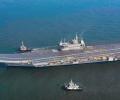
INS Vikrant is being delivered about six years late and at a cost of about Rs 20,000 crore instead of the sanctioned Rs 3,261 crore.

Research and development (R&D) spending by BSE 100 companies has grown steadily, rising from 0.89 per cent of revenue in FY20 to 1.32 per cent in FY24, averaging around 1 per cent over the period in-between, according to data compiled from Bloomberg and company annual reports. Also, these companies more than doubled their R&D spending in absolute terms over these five years: From Rs 25,041 crore to Rs 63,072 crore. While this reflects a prioritisation of innovation, corporate R&D investment remains relatively conservative.

The mission has been delayed for several years because of setbacks in the spacecraft's development.
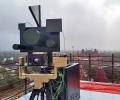
In order to have protection against drone attacks, all the three defence forces including the Army, Navy and Air Force have signed contracts for acquiring DRDO-developed anti-drone systems.

As remarkable as DRDO's contribution in containing and treating COVID-19 has been, its success over the last 15 months has been in its primary role of developing conventional defence equipment and technologies.

We must seize the opportunity provided by the COVID-19 crisis to kick-start indigenous research efforts, recommends Colonel Anil A Athale (retd).
The authorities have called the families of the crew for carrying out DNA tests for identification of the deceased and collecting the remains and personal effects.

Lt Col Raja "Grinder" Chari, 39 is in the batch of 2017.
