
Tata Motors is likely to exit the S&P BSE Sensex and the Nifty50 indices once the demerger process of its commercial vehicle (CV) and passenger vehicle (PV) businesses is complete, analysts at Nuvama Institutional Equities said. They have compared the development with Reliance Industries (RIL) and Jio Financial Services, which got listed separately and eventually (in the next few days) got excluded from the domestic indices.
From the Sensex firms, Eternal climbed 3.32 per cent. Bharti Airtel, IndusInd Bank, Tech Mahindra, Reliance Industries, Tata Motors, HDFC Bank, Tata Steel and Hindustan Unilever were the other major gainers. However, Bajaj Finserv, Axis Bank, Tata Consultancy Services, Titan and Larsen & Toubro were among the laggards.

Sensex sinks 573 pts on global tensions and high crude prices

From the Sensex firms, Trent, Tech Mahindra, Bajaj Finserv, Reliance Industries, Infosys, Kotak Mahindra Bank, HCL Technologies, and NTPC were among the biggest laggards. However, Eternal, Tata Motors, Sun Pharma, Tata Steel, and Titan were the gainers.

The Nifty 50 index is poised for a revamp as the revised futures and options (F&O) stock selection criteria is seen paving the way for newly listed companies to join the benchmark index, which is tracked by passive funds with combined assets under management of more than ~3.5 trillion ($44 billion). For the first time in six years, the market regulator Securities and Exchange Board of India (Sebi) has tweaked the stock selection process for the derivatives segment that clocks a turnover of ~400 trillion daily.

Mutual funds (MFs) have significantly increased their ownership across market segments, but the midcap space stands out with comparatively higher growth. Data reveals that the number of midcap companies with over a fifth of MF ownership has doubled from nine in March 2022 to 18 by March 2025. In contrast, largecap stocks saw only a marginal rise, from three to four such companies during the same period.

Stock investors will track the ongoing conflict between Iran and Israel, Brent crude oil prices, inflation data and the US Fed interest rate decision for further cues this week, analysts said. Tariff-related news would also dictate trends in the equity market, experts noted.

From the Sensex basket, NTPC, Power Grid, IndusInd Bank, Tata Steel, Tata Motors, JSW Steel, Tech Mahindra and Larsen & Toubro were the biggest gainers. Bharti Airtel, Maruti, ICICI Bank and Asian Paints were the laggards.
The NSE Nifty 50 has slipped 3.4 per cent, or 764 points, in the last five trading sessions, after registering a fresh all-time high at 22,794.70 on Friday, May 03, 2024. In the process, the Nifty 50 index is seen quoting close to its 100-DMA (Daily Moving Average) of 21,970 for the second time in less than a month. Earlier on April 19, 2024, the Nifty 50 had tested the 100-DMA support, and then staged a smart rally of 4.7 per cent, or 1,017 points, to hit the new peak of 22,794.70.

From the 30 Sensex firms, Bajaj Finance, Reliance Industries, Tata Steel, JSW Steel, Tech Mahindra, Tata Motors, Kotak Mahindra Bank and Maruti were the biggest laggards. Reliance Industries Ltd, India's most valuable company, on Monday reported a 5 per cent fall in the July-September quarter net profit as weak oil refining and petrochemical business hurt operational performance. ICICI Bank, Bharti Airtel, Asian Paints, Adani Ports, UltraTech Cement and HCL Technologies were among the gainers.

From the Sensex firms, Mahindra & Mahindra, Bajaj Finserv, Tech Mahindra, Power Grid, ITC, Hindustan Unilever, Reliance Industries and Maruti were the biggest laggards. IndusInd Bank, Bharti Airtel and UltraTech Cement were the gainers.

Reliance Industries closed more than half a per cent higher after the company announced a proposed merger of media and entertainment assets of Viacom18 with Star India. Hindustan Unilever, Bharti Airtel, Tata Motors, ITC, Tech Mahindra and Axis Bank were among the laggards.

The Jane Street-Sebi saga is more than a legal dispute -- it's a litmus test for India's ambitions as a global financial hub.

SEBI alleges Jane Street placed bets on the stock market falling and then acted in a way to make the market actually fall so it could win its bet.

Among the 30 Sensex companies, Axis Bank, ICICI Bank, HDFC Bank, Tech Mahindra, Larsen & Toubro, Bajaj Finserv, State Bank of India, Reliance Industries and Infosys were the biggest gainers. Power Grid, Asian Paints, Tata Steel, Nestle, Maruti and JSW Steel were among the laggards.

Exchange Traded Funds (ETFs) have stepped into the spotlight this quarter. With evolving market conditions and shifting investor sentiment, ETFs offer a timely solution for accessing growth with liquidity and efficiency. In this article, we break down the most important ETF trends, performance drivers, and what to watch in the months ahead.

Among the Sensex constituents, 20 stocks ended the session in green with HDFC Bank, Titan, Tech Mahindra, and Asian Paints being the major gainers. TCS, Maruti, Kotak Mahindra Bank and Bajaj Finserve were the other gainers. In contrast, SBI, Bharti Airtel, JSW Steel, PowerGrid, ITC and Reliance closed the trading with losses.

Among Sensex shares, Bajaj Finserve, ICICI Bank, Bharti Airtel, Bajaj Finance, Sun Pharma, Maruti Suzuki, ITC, and Nestle were the lead gainers. On the other hand, L&T Wipro, IndusInd Bank and TCS and Tata Motors were the lead losers.

Novak Djokovic became the oldest man to reach the quarter-finals at all four Grand Slams in a single season.
Among the Sensex pack, HCL Technologies, ICICI Bank, Tata Motors, Sun Pharmaceuticals, Tata Consultancy Services, Infosys, Kotak Mahindra Bank and Mahindra and Mahindra were the gainers. In contrast, HDFC Bank, Bajaj Finance, Larsen & Toubro, Tech Mahindra, UltraTech Cement and IndusInd Bank were among the laggards.
Benchmark equity indices Sensex and Nifty rebounded on Wednesday, propelled by bargain hunting in index majors Reliance Industries, ITC and SBI amid a largely firm trend in global equities. In a highly volatile trade, the 30-share BSE Sensex rebounded 89.64 points or 0.12 per cent to settle at 72,101.69. During the day, it jumped 390.62 points or 0.54 per cent to 72,402.67.

Industry players said the sharp sell-off in February forced many companies to put off their listing plans

Among Sensex firms, Bajaj Finserv, Tata Steel, Sun Pharma, Tech Mahindra, Bajaj Finance, NTPC, Nestle, Tata Motors, Hindustan Unilever and Mahindra & Mahindra were the biggest gainers. IndusInd Bank, Kotak Mahindra Bank, Power Grid and ITC were among the laggards.

'The universe of PSU stocks is huge and diverse.' 'Investors should bet on specific sectors and stocks from the basket as most of them may continue to consolidate after years of outperformance.'

Very often, 'sentiment' drives prices well beyond what is warranted and it is hard to forecast market sentiment, explains Debashis Basu.

Over 60 companies are ready to launch IPOs in the coming months.

Among Sensex shares, HCLTech, Asian Paints, Maruti, JSW Steel, TCS, SBI, ITC and Bharti Airtel were the major losers. On the other hand, Bajaj Finserv, Mahindra & Mahindra, Titan, L&T and Wipro were the major gainers.

From the Sensex firms, HCL Tech, Tata Steel, Tech Mahindra, Reliance Industries, Bharat Electronics and ICICI Bank were among the laggards. Bajaj Finance, Hindustan Unilever, UltraTech Cement and Power Grid were among the gainers.

From the Sensex firms, Adani Ports, Eternal, Bajaj Finance, Axis Bank, Bajaj Finserv, Reliance Industries, Power Grid and NTPC were the major gainers. Sun Pharma, however, tanked over 5 per cent.
From the Sensex basket, Tata Consultancy Services, Nestle, Bajaj Finserv, Wipro, Maruti Suzuki India, Reliance Industries, Larsen & Toubro and NTPC were the major laggards. Tata Steel, Bajaj Finance, JSW Steel and Bharti Airtel were among the gainers.
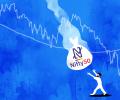
With an expected earnings growth of 15 per cent, benchmark index Nifty 50 may hit 24,500 level by December 2024 and move further to surpass the level of 26,500 by December 2025, Emkay Investment Managers said on Tuesday. The 50-share Nifty settled at 22,888.15 on Tuesday. In the previous day, it hit a new lifetime peak of 23,110.80.
Among the 30 Sensex companies, Hindustan Unilever, Nestle, Asian Paints, HCL Technologies, HDFC Bank, Kotak Mahindra Bank and ITC were the biggest gainers. Larsen & Toubro, Power Grid, NTPC and State Bank of India were among the laggards.
HCL Tech, State Bank of India, Infosys, Tech Mahindra, Tata Consultancy Services, Bajaj Finserv, Larsen & Toubro, Mahindra & Mahindra and Titan were also among the losers in the Sensex pack. Eternal, Hindustan Unilever, Asian Paints, ITC, Tata Motors and NTPC were among the gainers.
From the Sensex basket, Larsen & Toubro, Bajaj Finance, Axis Bank, State Bank of India, UltraTech Cement, Wipro, ICICI Bank, Infosys, HCL Technologies and Asian Paints were the major gainers. NTPC, JSW Steel and HDFC Bank were the laggards.

From the Sensex basket, PowerGrid, Bharti Airtel, Wipro, HDFC Bank, Kotak Mahindra Bank, UltraTech Cement, Asian Paints, Infosys and Reliance Industries were the major laggards. Bajaj Finance, NTPC, Larsen & Toubro, Axis Bank, Tata Motors, IndusInd Bank and Bajaj Finserv were among the gainers.
Trading sentiment in the stock market this week will be guided by quarterly earning announcements from blue-chips such as Infosys and Bajaj Finance, the outcome of India-US trade talks and global cues, analysts said. Markets may on Monday react to the quarterly results of three heavyweights - Reliance Industries, HDFC Bank and ICICI Bank, an expert said.
From the Sensex pack, Tech Mahindra, HDFC Bank, Larsen & Toubro, ITC, Infosys, IndusInd Bank, Kotak Mahindra Bank, Titan and HCL Technologies were among the gainers. Maruti Suzuki India, Tata Steel, Bajaj Finance, UltraTech Cement, Nestle India, Axis Bank and Tata Consultancy Services (TCS) were among the laggards.

Valuations at current levels have historically corresponded single-digit returns.

Shares of BSE on Wednesday tumbled more than 9 per cent after its rival NSE said that all Nifty index weekly derivatives contracts will expire on Monday instead of Thursday with effect from April 4. The stock of BSE tanked 9.39 per cent to Rs 4,035.10 apiece on the National Stock Exchange (NSE).
In an event-heavy week, stock investors will track quarterly earnings of several bluechip firms, the likely outcome of ongoing India-US trade talks, and inflation data for market cues, analysts said on Sunday. Moreover, global market trends and trading activity of foreign investors would also guide movement in equities, they said.
