
Among Sensex firms, Eternal, Infosys, Asian Paints, HDFC Bank, Bajaj Finserv and Titan were the major gainers. However, Tata Steel, Tech Mahindra, Adani Ports and Bharat Electronics were among the laggards.

From 30 Sensex shares, Bajaj Finserv jumped nearly 8 per cent while Bajaj Finance soared over 6 per cent. Maruti, Titan, Mahindra, Mahindra & Mahindra, Infosys, HCL Tech, Zomato, UltraTech Cement and Kotak Mahindra Bank were the other major gainers. Sun Pharma emerged as the only laggard.

Benchmark Sensex closed above the 85,000 level for the first time while Nifty scaled the 26,000 peak at close on Wednesday as fag-end buying in banking and power shares helped stock markets recoup early losses. After a see-saw trade during the day, the 30-share BSE Sensex rose by 255.83 points or 0.30 per cent to settle at an all-time high of 85,169.87. During the day, it surged 333.38 points or 0.39 per cent to hit a record intra-day peak of 85,247.42.

Stock markets will be driven by RBI's interest rate decision, tariff-related developments, global trends and trading activity of foreign investors in this holiday-shortened week, analysts said.

The factor fund launch spree by mutual funds (MFs) is moving from the passive to the active space. Two new fund offerings (NFOs) - ICICI Pru Active Momentum Fund and Bandhan Multi-Factor Fund - are currently open for subscription. Sundaram MF's multi-factor fund NFO closed this Wednesday.

From the 30 Sensex firms, Mahindra & Mahindra, Bajaj Finance, Asian Paints, Nestle, Bharti Airtel, UltraTech Cement, Hindustan Unilever, ITC, and HDFC Bank were the major laggards. In contrast, Infosys, Tech Mahindra, Tata Motors, Axis Bank, Tata Consultancy Services and State Bank of India were among the gainers.

Sun Pharma, NTPC, Maruti, Bharti Airtel, Trent and Axis Bank were also among the gainers. However, Tata Motors, Power Grid, Eternal, Bajaj Finserv and Hindustan Unilever were among the laggards.

The Indian stock market in the October-November period sees high trading activity due to increased consumer spending, festive demand, upbeat sentiment, renewed investor confidence, and the auspicious Muhurat trading session. This impacts many stocks and sectors in the festive season.
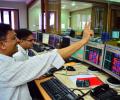
Benchmark Sensex hit the historic 83,000 level for the first time on Thursday and the Nifty settled at a lifetime high after a rally in blue-chip shares, surge in global markets and foreign fund inflows. A sharp fag-end rally drove the 30-share BSE Sensex to the 83,000 level for the first time. The barometer surged 1,593.03 points or 1.95 per cent to hit its lifetime intra-day peak of 83,116.19 in the last hour of trade.

Investors in India's information technology (IT) companies are likely in for more pain ahead as muted earnings for the first quarter of 2025-26 (Q1FY26) play spoilsport at the bourses in the worst-performing sector this year amid macro uncertainties. Investors, analysts suggest, can look for better opportunities in the markets as things stand.

Equity markets this week will turn their focus on the RBI's interest rate decision, Q1 earnings from several blue-chip firms and tariff-related news for further cues, analysts said. Moreover, trading activity of foreign investors and trends in global equity markets will also drive investors' sentiment.

A ban on US-based high-frequency trader (HFT) Jane Street did little to dent activity in the derivatives segment, with July volumes rising 10 per cent month-on-month to an eight-month high. Analysts and experts said the jump may have come from proprietary and retail traders, spurred by a spike in market volatility.

Recent developments - proposed changes to the goods and services tax (GST) rates and S&P Global Ratings' upgrade of India's long-term sovereign credit rating to BBB, with a stable outlook, - may not be enough to bring foreign investors back to Indian markets in a rush, feel analysts.

Balanced advantage funds (BAFs), which adjust between stocks and bonds depending on market conditions, have increased their equity holdings over the past year, with most schemes now predominantly invested in equities.
The buyback comes at a time when Infosys shares have declined 19 per cent so far this year.

Among Sensex firms, Tata Steel, BEL, Adani Ports, Tata Consultancy Services, Tech Mahindra, Bharti Airtel, HCL Technologies, Trent, Mahindra & Mahindra, Reliance Industries, UltraTech Cement and Larsen & Toubro were the major gainers. However, Power Grid, HDFC Bank, ICICI Bank, Hindustan Unilever were among the laggards.

Automotive (auto) stocks have been among the best performers in the BSE 200 index in recent months. More than half of the top 15 gainers over the past one, two, and three months have come from the sector.

The proposed reforms in goods and services tax (GST) announced by the government last week, coupled with the eighth pay commission dole-out, is likely to push consumption-driven stocks - such as air conditioners (ACs), select automobiles, fast-moving consumer goods (FMCG), retail, and counters of quick-service restaurants (QSRs) - into higher orbit over the next few months, believe analysts.

: Build lasting wealth via disciplined, long-term mutual fund investing in India's compounding marathon, Shanaihi, Shanaihi, says Ramalingam Kalirajan

Indian information-technology (IT) service providers are likely to report another quarter (July-September) of low, single-digit growth owing to macro uncertainties, chiefly emanating from America, with no respite in sight even in the second half of the year.

'It's better to stay away from large IT stocks until there is clarity on tariffs.'

Among Sensex firms, Mahindra & Mahindra, Tata Motors, Trent, Eternal, Asian Paints and Infosys were the major gainers. However, Sun Pharma, ITC, Hindustan Unilever and Titan were among the laggards.

Ask rediffGURU and PF, MF and insurance expert Purshotam Lal your mutual fund, insurance and personal finance-related questions.

Among Sensex firms, Infosys surged the most by 3.88 per cent, followed by Tata Consultancy Services, which climbed 2.69 per cent. Hindustan Unilever, NTPC, Tata Steel, Tech Mahindra, Eternal and HCL Tech were also among the gainers. However, Bharat Electronics, Bajaj Finance, Tata Motors and Trent were among the laggards.

Benchmark stock indices Sensex and Nifty declined on Monday, extending the losing run to the fourth day amid selling in IT shares and foreign fund outflows. The 30-share BSE Sensex dropped by 247.01 points or 0.30 per cent to settle at 82,253.46. During the day, it fell 490.09 points or 0.59 per cent to 82,010.38 but recovered some of the losses towards the close.
Among Sensex firms, Tata Motors, Bharti Airtel, Bajaj Finance, Maruti, Bajaj Finserv, ICICI Bank, HDFC Bank and Reliance Industries were the major gainers. However, Hindustan Unilever, UltraTech Cement, Bharat Electronics and ITC were among the laggards.

Among the 30 Sensex firms, Bajaj Finance, Mahindra & Mahindra, NTPC, Power Grid, Bajaj Finserv, Bharti Airtel and Tata Consultancy Services were the biggest gainers. In contrast, Tata Motors, HDFC Bank, Reliance Industries, Tech Mahindra and ITC were among the laggards.
Titan, HCL Tech and State Bank of India were also among the laggards. However, Hindustan Unilever, Asian Paints, ICICI Bank, Power Grid, HDFC Bank and ITC were the gainers.

Food delivery and quick commerce firm Eternal, which owns the Zomato and Blinkit brands, on Monday reported a consolidated net profit of Rs 25 crore for the June quarter, as continuing investments in quick commerce and going-out businesses weighed on its bottom line. Titan, Hindustan Unilever, Bharat Electronics, Maruti, ICICI Bank and Mahindra & Mahindra were also among the gainers. However, Tata Motors, Adani Ports, State Bank of India and Reliance Industries were among the laggards.

Benchmark indices Sensex and Nifty climbed to fresh all-time highs on Thursday driven by buying in auto shares amid a sharp rally in Asian markets. The BSE Sensex jumped 666.25 points or 0.78 per cent to settle at an all-time high of 85,836.12. During the day, it reached a record intra-day peak of 85,930.43, surging 760.56 points or 0.89 per cent.

From the Sensex firms, Infosys, Tata Consultancy Services, HCL Tech, Tech Mahindra, Tata Motors, Sun Pharma, Maruti and Titan were among the major gainers. Bharat Electronics, Asian Paints, Bharti Airtel and ICICI Bank were among the laggards.

From the Sensex firms, Axis Bank, Kotak Mahindra Bank, Maruti, UltraTech Cement, Bajaj Finance, ICICI Bank, Reliance Industries, Tata Steel, Bharti Airtel and HDFC Bank were among the major laggards. However, Trent, State Bank of India, Bharat Electronics, Titan and Bajaj Finserv were among the gainers.

New-age stocks to buy: Most new-age stocks have turned out to be wealth destroyers in stock markets, so far, in calendar year 2025. Shares of Ola Electric Mobility, for instance, have plunged nearly 50 per cent in the first half of CY 2025, while those of Swiggy, PB Fintech, Paytm, and Eternal (Zomato) have crashed between 6 per cent and 25 per cent, ACE Equity data shows.

Tata Steel, Maruti, Tata Motors, Infosys, Bharti Airtel and Tech Mahindra were also among the laggards. However, Trent, Asian Paints, Hindustan Unilever, ITC, Kotak Mahindra Bank, and Reliance Industries were the gainers.

Hectic buying in blue chip counters like Reliance Industries, IT and teck shares boosted market sentiment. State Bank of India, Tata Consultancy Services, Titan, ITC, Infosys, Larsen & Toubro, Reliance Industries and Bajaj Finance were the biggest gainers.
From the Sensex firms, HCL Tech, Infosys, Power Grid, Tata Consultancy Services, HDFC Bank, Hindustan Unilever, Bharti Airtel and ICICI Bank were among the major laggards. However, Titan, Larsen & Toubro, Maruti and Axis Bank were among the gainers.

Benchmark stock indices Sensex and Nifty closed higher in a range-bound trade on Tuesday following gains in Reliance Industries and HDFC Bank. The 30-share BSE Sensex rose by 90.83 points or 0.11 per cent to settle at 83,697.29 with 13 of its constituents closing higher and 17 in the red.

Among Sensex firms, Mahindra & Mahindra, Tech Mahindra, State Bank of India, Infosys, Adani Ports and ITC were the major gainers. However, Eternal, Sun Pharma, Tata Steel, Tata Motors, Bajaj Finance and Bharat Electronics were among the major laggards.
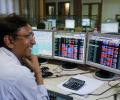
Equity benchmark indices Sensex and Nifty settled higher on Thursday, powered by a rally in banking and power stocks amid a largely firm trend in global markets. The stock markets mostly traded range-bound in the absence of any major trigger and persistent foreign capital outflows, traders said. The 30-share BSE Sensex rose 144.31 points, or 0.18 per cent, to settle at 81,611.41.

Among Sensex firms, Maruti zoomed the most by 8.94 per cent. Bajaj Finance rallied over 5 per cent, UltraTech Cement by 3.71 per cent, and Bajaj Finserv by 3.7 per cent. Mahindra & Mahindra, Hindustan Unilever and Trent were also among the gainers. However, ITC was the biggest loser, dropping by 1.26 per cent. Eternal, Tech Mahindra and Larsen & Toubro also declined.
