
From the 30-share Sensex pack, Tata Consultancy Services, Titan, Infosys, Bharti Airtel, Bajaj Finance, ICICI Bank, HCL Technologies, and Tech Mahindra were the biggest gainers. NTPC and Asian Paints were the laggards.

From the 30-share Sensex pack, Mahindra & Mahindra, Larsen & Toubro, State Bank of India, Reliance Industries, ICICI Bank and Bajaj Finance were the biggest gainers. JSW Steel and Infosys were the laggards.

Quarterly earnings, macroeconomic data announcements and global trends will drive the Indian stock markets in a holiday-shortened week, analysts said. Stock markets would remain closed on Wednesday for the Guru Nanak Gurpurab holiday.

From the 30-share Sensex blue-chip pack, Tata Steel, Zomato, Larsen & Toubro, Tata Motors, Adani Ports, Tata Consultancy Services, HDFC Bank and NTPC were the major laggards. Nestle, Hindustan Unilever, Mahindra & Mahindra, Kotak Mahindra Bank, Asian Paints and Bharti Airtel were among the gainers.

From the Sensex firms, Tech Mahindra, Tata Consultancy Service, Infosys, HCL Tech, Tata Motors, Trent, Reliance Industries and Larsen & Toubro were among the major laggards. However, Eternal, Bajaj Finance, Adani Ports and UltraTech Cement were among the gainers.

From the 30 blue-chip Sensex pack, Tech Mahindra, IndusInd Bank, Axis Bank, Mahindra & Mahindra, Tata Motors, Larsen & Toubro, State Bank of India, Tata Consultancy Services, UltraTech Cement and Reliance Industries were the biggest laggards. In contrast, JSW Steel, Nestle and Titan were the gainers.

Among Sensex shares, Mahindra & Mahindra, Bharti Airtel, Bajaj Finance, Zomato, Nestle, Bajaj Finserv, Maruti and Titan were the biggest gainers. Sun Pharma, Power Grid, Tata Consultancy Services, Tech Mahindra, Asian Paints and Tata Motors were among the laggards.

Among Sensex firms, Tata Motors, Bharat Electronics, UltraTech Cement, Tech Mahindra, Mahindra & Mahindra, ICICI Bank, Tata Consultancy Services and Axis Bank were the major laggards. However, Power Grid, Hindustan Unilever, NTPC and HCL Tech were among the gainers.

Among Sensex firms, Tata Steel, HCL Tech, UltraTech Cement, Bharat Electronics, Sun Pharma and Tata Consultancy Services were the major gainers. However, Axis Bank, Titan, Maruti and Tata Motors were among the laggards.

During the day, it tanked 634.38 points or 0.78 per cent to 80,050.07. The NSE Nifty declined 137.15 points or 0.56 per cent to 24,198.85. "The near-term market construct has turned weak, with FIIs turning sellers on rallies.

'A staggered investment approach (using SIP or STP) can help investors benefit from this opportunity while reducing timing risk.'

The unique investors' base on the National Stock Exchange of India (NSE) crossed the 12-crore mark on September 23, with the latest 1 crore addition taking place in just eight months, the bourse said on Thursday.

Among the 30-share Sensex blue-chip firms, NTPC, Hindustan Unilever, Tata Motors, Maruti, Larsen & Toubro, Reliance Industries, Asian Paints and State Bank of India were the biggest laggards. Bharti Airtel, IndusInd Bank, Tech Mahindra, Infosys, Adani Ports and Tata Consultancy Services were among the gainers.

Among Sensex firms, State Bank of India, Bharat Electronics, Kotak Mahindra Bank, Maruti, Trent and UltraTech Cement were the major gainers. However, Bajaj Finserv, Titan, ITC and Tata Steel were among the laggards.

Tata Steel, Bajaj Finance, Mahindra & Mahindra, JSW Steel, NTPC, Adani Ports, Bajaj Finserv and Larsen & Toubro were also among the laggards. However, Power Grid, HCL Technologies, Infosys, Tech Mahindra, Tata Consultancy Services and ICICI Bank were among the gainers.

Equity benchmark indices Sensex and Nifty fell on Friday, extending their downward journey to the third day, as investors continued to reel under pressure caused by the imposition of high tariffs and relentless foreign fund outflows.

A record amount of pension money may be finding its way into the stock market, if buying figures in the National Stock Exchange (NSE) data are any indication. Category inflows touched Rs 37,409 crore for the three months ending September 2025, shows an analysis of NSE data.

Ask rediffGURU Reetika Sharma your insurance, mutual fund and personal finance-related questions.

From the Sensex pack, Zomato, HDFC Bank, Tech Mahindra, Adani Ports, Tata Consultancy Services, ICICI Bank, Sun Pharma, Larsen & Toubro, HCL Tech and ITC were the major laggards. On the other hand, Tata Motors, Nestle, Titan, Hindustan Unilever and Reliance Industries were among the gainers.

Equity markets will keenly track outcome of the US Federal Reserve policy meeting this week amid heightened expectations of an interest rate cut along with WPI inflation data, analysts said. Any further development on the USndia trade front would also drive trends in the equity market, experts said.

From the Sensex firms, Bharat Electronics, Bajaj Finance, Bajaj Finserv, Axis Bank, Maruti and Tata Motors were among the gainers. However, Eternal, Hindustan Unilever, Trent and Titan were the major laggards.

From the 30-share blue-chip pack, Zomato surged over 7 per cent. Maruti, ITC Hotels, ITC, Mahindra & Mahindra, Asian Paints, Titan and IndusInd Bank were among the biggest gainers. Power Grid, Larsen & Toubro, NTPC, UltraTech Cement, HCL Tech, Tech Mahindra, Infosys and Adani Ports were among the laggards.

Brokerages expect the company to continue outperforming in the auto segment, driven by launches and the strong trajectory of healthy bookings.
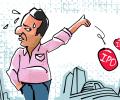
'The primary market's rhythm mirrors investor confidence. While sentiment may appear cautious, it reflects maturity, not weakness.'

With average returns of 18 per cent over the past year, listed real estate investment trusts (Reits) have clearly outperformed both the Nifty Realty index and the Sensex. Over the same period, Nifty Realty fell 15.5 per cent, while the benchmark index was largely unchanged. Steady office leasing, the Securities and Exchange Board of India's (Sebi's) decision to reclassify Reits as equity instruments, and ongoing portfolio expansion have strengthened the sector's appeal.

Multiple tailwinds for the automobile sector, including a cut in goods and services tax (GST) rates, are keeping analysts bullish on auto stocks from a long-term perspective, even as they see the rally running its course in the near term.

From the Sensex firms, Tata Motors jumped the most by 5.54 per cent, followed by Kotak Mahindra Bank, Trent, Sun Pharma, Axis Bank, and ICICI Bank. However, Bajaj Finance, State Bank of India, UltraTech Cement and Tata Steel were among the laggards.

Tech Mahindra, Adani Ports, HCL Tech, Tata Consultancy Services and Bajaj Finserv were also among the gainers. However, Trent, Eternal, UltraTech Cement and NTPC were among the laggards.

Bajaj Finserv, IndusInd Bank, Adani Ports, UltraTech Cement, Bajaj Finance, Tata Consultancy Services, Infosys, Bharti Airtel, Hindustan Unilever and JSW Steel were the other big laggards.
Among the Sensex firms, State Bank of India, Maruti Suzuki India, Axis Bank, NTPC, BEL, Adani Ports, Eternal, Sun Pharmaceuticals, Power Grid, ITC, UltraTech Cement, Trent, HCL Technologies, Mahindra & Mahindra, and HDFC Bank were the major gainers. On the other hand, Tata Steel, Tata Consultancy Services, Tech Mahindra, Titan, Bajaj Finserv, Tata Motors, Bharti Airtel and Bajaj Finance were among the laggards.

Ask rediffGURU Reetika Sharma your insurance, mutual fund and personal finance-related questions.

The stock of Bharti Airtel, India's largest listed telecommunications (telecom) services provider, recently hit an all-time high on expectations of higher average revenue per user (Arpu), a stable market setup, and fresh revenue lines.

Goldman Sachs is bullish about Indian aerospace and defence, preferring private companies over public sector units (PSUs) as the country ramps up its export target for the sector to Rs 50,000 crore by FY29 from Rs 23,600 crore last year. The American investment bank's top 'buy' recommendations include Solar Industries, Bharat Electronics, Data Patterns and PTC Industries, while Bharat Dynamics is rated 'sell'.
State Bank of India, NTPC, ITC, Asian Paints, Bajaj Finance and Bajaj Finserv were also among the major laggards. In contrast, Power Grid, UltraTech Cement, HCL Technologies and Axis Bank were among the gainers.

This marks a rebound after more than two years of underperformance during a strong rally in smallcap stocks.

Equity market investors would track global trends, foreign fund movement and quarterly earnings in a holiday-shortened week ahead, analysts said. Stock exchanges BSE and NSE will conduct a special Muhurat trading session on Tuesday, October 21.

Among Sensex firms, Tata Steel jumped the most by 5.90 per cent. Titan, Mahindra & Mahindra, ITC, Eternal, State Bank of India, and Trent were among the other gainers. However, Infosys, NTPC, Hindustan Unilever, TCS, Adani Ports and Bharti Airtel were among the laggards.

Among major Sensex gainers, Mahindra & Mahindra rose the most by 3.29 per cent. Adani Ports gained 1.26 per cent, Tata Motors by 1.14 per cent, and Axis Bank by 0.92 per cent. Nestle, NTPC, Reliance, ITC Titan, Kotak Bank, Infosys and TCS also gained. HCL Tech, Tech Mahindra, and ICICI Bank were the losers.

Among Sensex firms, Mahindra & Mahindra, Asian Paints, Kotak Mahindra Bank, ICICI Bank, Tata Motors and Larsen & Toubro closed with losses. However, Power Grid, NTPC, Tata Steel and Hindustan Unilever were the major gainers.

Among the new entries, the largest by market capitalisation are LIC, Avenue Supermarts (DMart), Adani Green Energy, Zomato and Jio Financial Services.
