
'Chidambaram, lots of people argue not without justification, is all about bluff and bluster without any concrete achievement on the ground. His record in the finance ministry fully endorses that view,' argues Virendra Kapoor.

The target of $500 billion in bilateral trade by 2020 is doable, feels Anand Sharma.

Business reacted with caution to the reforms of 1991, and demanded protection from multinationals and imports. Twenty-five years later, traces of that demand can still be found, reports Bhupesh Bhandari.

From Kudankulam to the Land Bill, the author takes the Twitter route to capture the infra action of 2013.

In putting the country's economy back on the rails, it is best that Narendra Modi and Arun Jaitley draw on grass-roots feedback and their own practical sense and native wisdom without allowing themselves to be sucked into the quicksand of economic punditry, says B S Raghavan.

One hopes the higher courts take the extraordinary steps needed to secure justice for the victims. The Gujarat carnage demands nothing less because of its unique nature and sponsorship by the State, argues Praful Bidwai.

Only reforms that accelerate economic growth can generate the revenues to finance expenditure on social infrastructure for the poor, not the other way round, insists Jagdish Bhagwati.
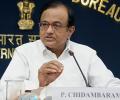
'The Congress can't return to power unless it reins in prices, lowers interest rates, taxes the rich,' says Praful Bidwai. 'If this means sacking those most responsible for the UPA's pro-big business policies including Finance Minister Chidambaram, so be it!'
