
For LG Electronics India, the Rs 11,607 crore initial public offering (IPO) is not just a fundraising exercise. The company's senior executives describe it as a step towards becoming "future-ready", showcasing financial strength while preparing for the next phase of growth in a market they see as still underpenetrated.

As a part of its localisation strategy, the $13.9 billion Chinese consumer durables major, Haier's Indian operations on Friday announced the acquisition of Daewoo Anchor Electronics in India.
Haier India, a 100 per cent subsidiary of Haier group of China, on Wednesday launched a series of GSM mobile phones in Kolkata.
Chinese consumer electronics firm Haier has taken the wholly owned subsidiary route to return to India, about two years after the distribution alliance with a local partner was terminated.
Electronics major has tied up with Reliance Comm and Tata Tele.

Despite the robust growth in this country, Apple's India share in its overall global sales remained modest -- constituting 1.5 per cent of its overall turnover of $389 billion in FY23.
The Chinese e-commerce giant has outlined its vision, but hasn't really explained the logic behind a recent spree of investments.
A few days ago, Reliance Retail surprised the market by acquiring the Campa brand from Delhi-based Pure Drinks Ltd for Rs 22 crore. A successful cola brand in the eighties, especially in North India, Campa Cola thrived when Coke exited India in the late seventies. When the Atlanta-based major returned and PepsiCo set base in India, it went down fighting.
They might have made little headway in the market so far, but leading Chinese consumer electronics companies are busy drawing up big plans to expand their footprints in India. After acquiring Anchor Daewoo's appliance business last year, Haier is on the prowl for some local brands. TCL is getting ready to expand its product range to mobile phones and home appliances.
As the rupee continues its freefall against the dollar, cars, TVs, washing machines and other home appliances are set to cost more with companies set to hike prices to offset impact on their margins.

The latest hike is likely to be followed by another such move next month, said industry players. Before the latest hike, companies had initiated price hikes to the tune of 12-13 per cent in 2021 but they weren't able to fully cover the increase in costs.
China's multinationals, powerful as they seem, are still beholden to the Communist Party. That's both a blessing and a burden.
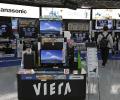
Panasonic India is set to increase the prices of its products by up to 7 per cent, while some others players have already increased it.
It already works with Chinese smartphone maker Xiaomi, online shopping giant Alibaba Group , white goods producer Qingdao Haier and flag carrier Air China to target customers abroad.

CM makes 'Make in Maharashtra' pitch to China.
Consumer Electronics and Appliances Manufacturers Association Consumer has also welcomed the move saying the it would improve the sentiments and strengthen the growth.
Durable goods companies and retailers say online sales won't compensate for the fall in offline sales.
Double whammy for consumer firms, where the top line will remain subdued due to demonetisation and margins will squeeze owing to a crude oil spike and rupee depreciation, reports Viveat Susan Pinto/Business Standard from Mumbai.

Home and kitchen appliances, electronic products, apparel and B-segment cars stand to gain.

While e-commerce operations for these firms are small at the moment, it is slated to grow in the next 3 to 4 years.
 © 2026 Rediff.com - Advertise with us - Disclaimer - Privacy Policy - Sitemap - Feedback - About us - Terms of use - Grievances