
Officials from both India and the US in the recent past have indicated that a "fair deal" will be concluded soon, with Indian officials holding that more formal rounds of talks are not needed.

Reserve Bank Governor Shaktikanta Das on Thursday said the fundamental drivers of the Indian economy are gaining momentum and the country is moving on a sustainable growth path. In the inaugural address at FIBAC 2024, the governor said that massive changes are taking shape in various economic sectors and markets, and the country is geared for orbital shifts.

Eying benefits from digital banking, lenders are now looking at building Unified Recovery Interface (URI) for enhancing efficiency, reducing costs, and getting good prices for properties of defaulters. This would be managed by PSB Alliance Ltd, a company set up by all public sector banks in the country. M V Rao, chairman, Indian Banks' Association (IBA), said: "Till now we had Unified Payments Interface (UPI), a product developed by National Payments Corporation Ltd (NPCI).
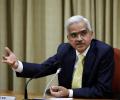
RBI Governor Shaktikanta Das on Wednesday defended the Reserve Bank's handling of the price situation, saying acting prematurely on inflation would have exerted a heavy cost on the economy and citizens. Acknowledging that the inflation target has been missed, Das said the RBI decided to support the economy by not introducing a rate hike in face of a spike in inflation. "We prevented a 'complete collapse of the economy' by keeping rates lower and stayed away from premature tightening," Das said speaking at the annual FIBAC conference of bankers in Mumbai.
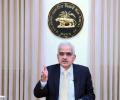
The challenge for the RBI in 2024 is likely to be less about containing elevated inflation and more about curbing excessive financial market exuberance and a 'problem of plenty', notes Sajjid Chinoy, Chief India Economist JP Morgan.

The bank has already set up 68,000 'Yono cashpoints' and is in the process of scaling it up massively to over 1 million in the next 18 months, which will make the necessity to have a card even less.

Rajan said the RBI is working on upgrading the capabilities of its inspectors to undertake bank system audits as well as to detect vulnerabilities in them

It's not necessary to use only external benchmarks, there are multiple avenues to meet the requirement that the RBI wants, the bank said.
.jpg)
Currently, the cash reserve ratio is pegged at a low of 4 per cent, while statutory liquidity ratio that includes securities such as government bonds, stands at 23 per cent, down from 25 per cent in 2010.
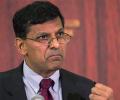
The progress we made in recent past should not detract us from making further structural reforms: Rajan

'The reform agenda is progressing in the right direction'.
.jpg)
Stating that there are strong inter-linkages between banks, NBFCs and other deposit-taking entities, he said for monetary policy to be effective and financial markets to remain stable, they should be regulated by the central bank.

Several Sensex stocks hits 52-week low in intra-day trade on Monday with financials leading the decline.
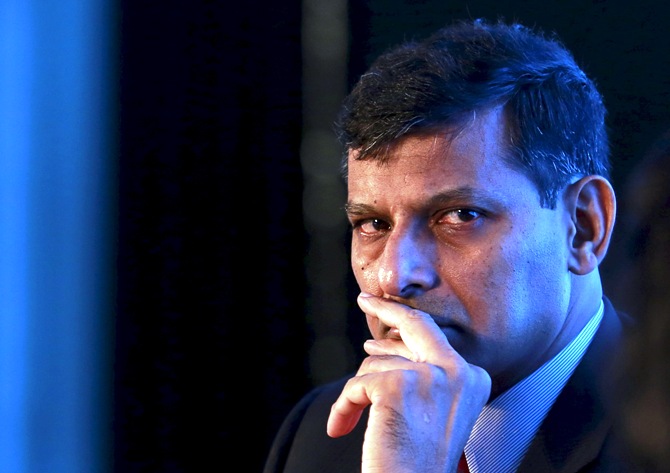
We need a change in mindset, says the RBI Governor.
 © 2026 Rediff.com - Advertise with us - Disclaimer - Privacy Policy - Sitemap - Feedback - About us - Terms of use - Grievances