
Tea planters in Darjeeling have raised that a shortage of commercial LPG, triggered by the ongoing conflict in West Asia, could hit tea processing during the first flush, the delicate early-season harvest that commands the highest premiums and often sets the tone for the year.
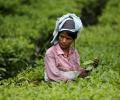
In the fifth of a six-part series on the impact of demonetisation, Avishek Rakshit senses a storm brewing over the 850-odd tea gardens in the north eastern state, which have a weekly and fortnightly payment cycle.
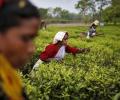
The tea industry, hit by rising costs, falling prices and political unrest in the North Bengal plantations, is especially vulnerable to the COVID-19 lockdown.

Sale of India's specialty tea varieties from exclusive estates in Assam and Arunachal Pradesh are on the rise in the domestic market, and sought after in overseas markets too.

Planters from Assam said despite the Covid-19 pandemic, trade enquiries from China had been rising. However, owing to the growing conflict, enquiries may dry up. 'We have seen how the trade dried up in case of the Pakistan conflict and fear the same,' a planter from Assam said.
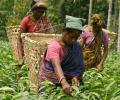
It's a busy season for Indian producers of orthodox tea. As Sri Lanka, the world's largest supplier of orthodox tea, struggles with its worst economic crisis, a window of opportunity has opened up in neighbouring India. Calls to Indian planters and exporters from foreign buyers of Sri Lankan orthodox tea are pouring in and the buoyant sentiment is reflecting in prices at auction centres. Orthodox tea refers to loose-leaf tea which is produced using traditional or orthodox methods such as plucking, withering, rolling, oxidation and drying.

The world-famous Darjeeling tea is losing its flavour even as it struggles with falling production, says Avishek Rakshit.
Chai Sahay, an artificial intelligence-based mobile app, will be primarily used to issue advisory, disseminate information related to various schemes of the board for the sector as well as provide real-time weather updates, says Avishek Rakshit.

The Assam government has taken the initiative to pay workers their wages electronically and has asked banks to open branches adjacent to tea gardens and install ATMs in estates.

With the first salary date after demonetisation around the corner, will India's labourers be able to take their hard-earned wages home?

A large number of rich farmers, who earn more than salaried employees in the cities, get away with paying no tax at all in view of the government's lack of will to consider an agricultural income tax
 © 2026 Rediff.com - Investor Information - Advertise with us - Disclaimer - Privacy Policy - Sitemap - Feedback - About us - Terms of use - Grievances