
CSE supports the tax hike on big cars and SUVs but says Budget is incomplete, as it has failed to take steps to stop misuse of diesel fuel subsidy by cars.

The Delhi government has announced that vehicles older than 15 years will be denied fuel at petrol pumps starting April 1.

The heat index in major metro cities in the country has majorly risen since 2010 compared to a decade earlier.

Green think tank Centre for Science and Environment (CSE) said the ongoing smog episode is a public health emergency.
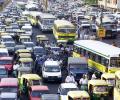
A directive this year to ban all vehicles older than 15 years has been delayed and previous city governments have often ignored court orders to address pollution woes.

Under the emergency plan, stringent actions are implemented based on the air quality of the city.

Among those who have the most to lose from India's haphazard policies are dealers selling cars made by Toyota, Mahindra & Mahindra, Daimler AG's and Tata Motors' luxury arm, Jaguar Land Rover

Experts are unanimously endorsing that a reduction in the volume of cars is bringing down levels of gaseous pollutants in New Delhi.

As visibility remained poor and the city choked due to a haze, the Centre for Science and Environment asked the Delhi govt to roll out stringent plans for controlling winter pollution.

While Delhi boasts of one of the best metro systems in the world and decent infrastructure, reckless construction, legalising unauthorised colonies, and the worsening water and air quality dent its image of being a robust cosmopolitan city.
Similar traffic restrictions in other cities did not see a significant improvement in air quality only because car owners begin making more trips during their unrestricted periods. The other apprehension, as seen in other cities, is that residents have bought secondhand cars, using the other number plate so that they can continue to drive to their work place, thereby defeating the very purpose of this scheme.
 © 2026 Rediff.com - Advertise with us - Disclaimer - Privacy Policy - Sitemap - Feedback - About us - Terms of use - Grievances